 English
Identify an unknown air quick-connect plug by recording its profile, measured features, markings and mating socket. Use that evidence to compare manufacturer drawings and confirm an approved pairing. Color, thread size and a successful push into a socket are not sufficient identification tests.
The practical goal is to turn an unmarked part into a specification that can be checked. When the evidence remains incomplete, replacing it with a documented matched pair may be more reliable than ordering a supposed equivalent from a photograph.
Make the part safe to inspect
Isolate the relevant air supply and verify that stored pressure has been relieved before removing or investigating an uncertain fitting. Follow the equipment’s isolation procedure. Do not use a pressurized coupling to find out whether an unidentified plug fits.
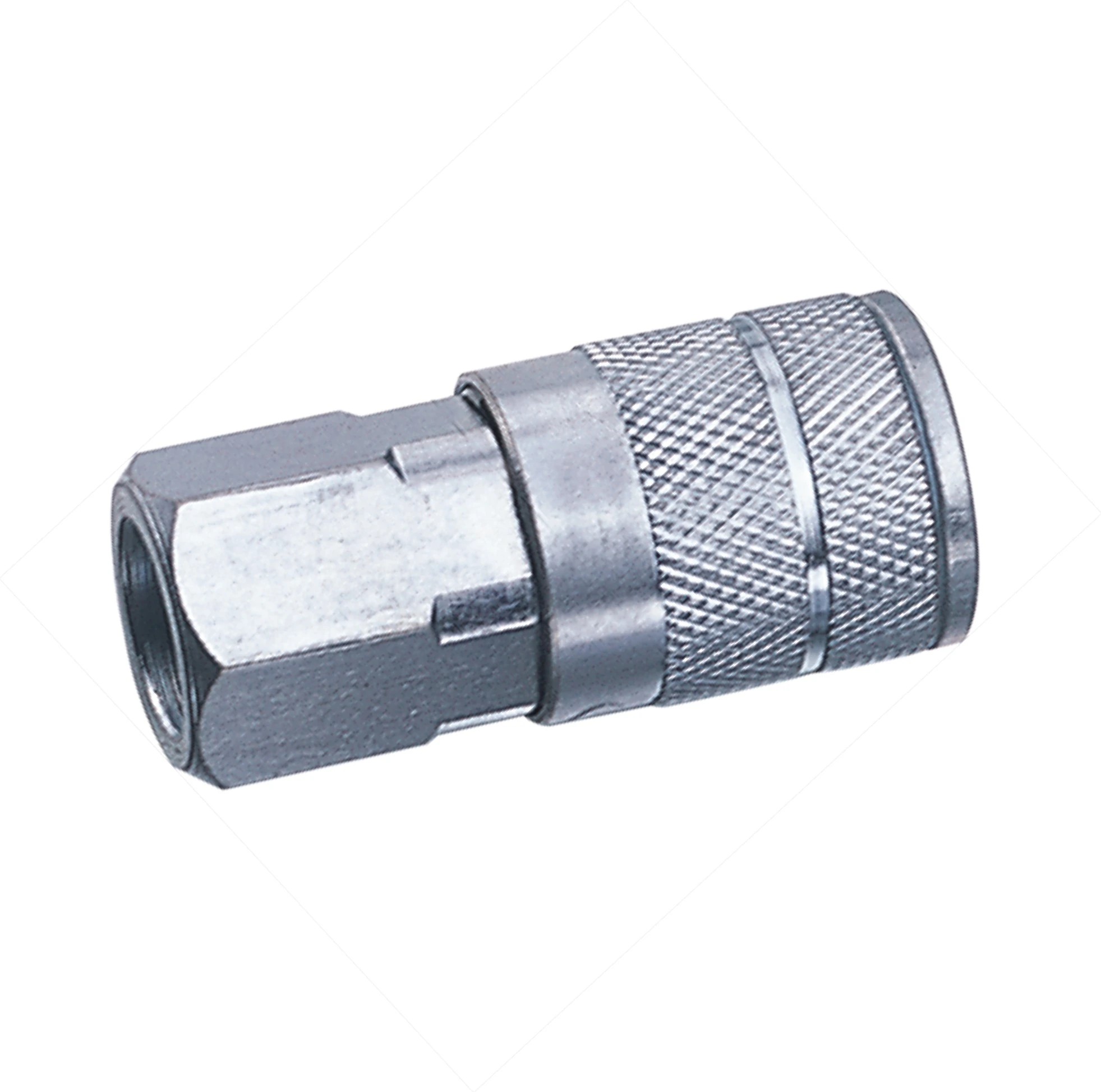
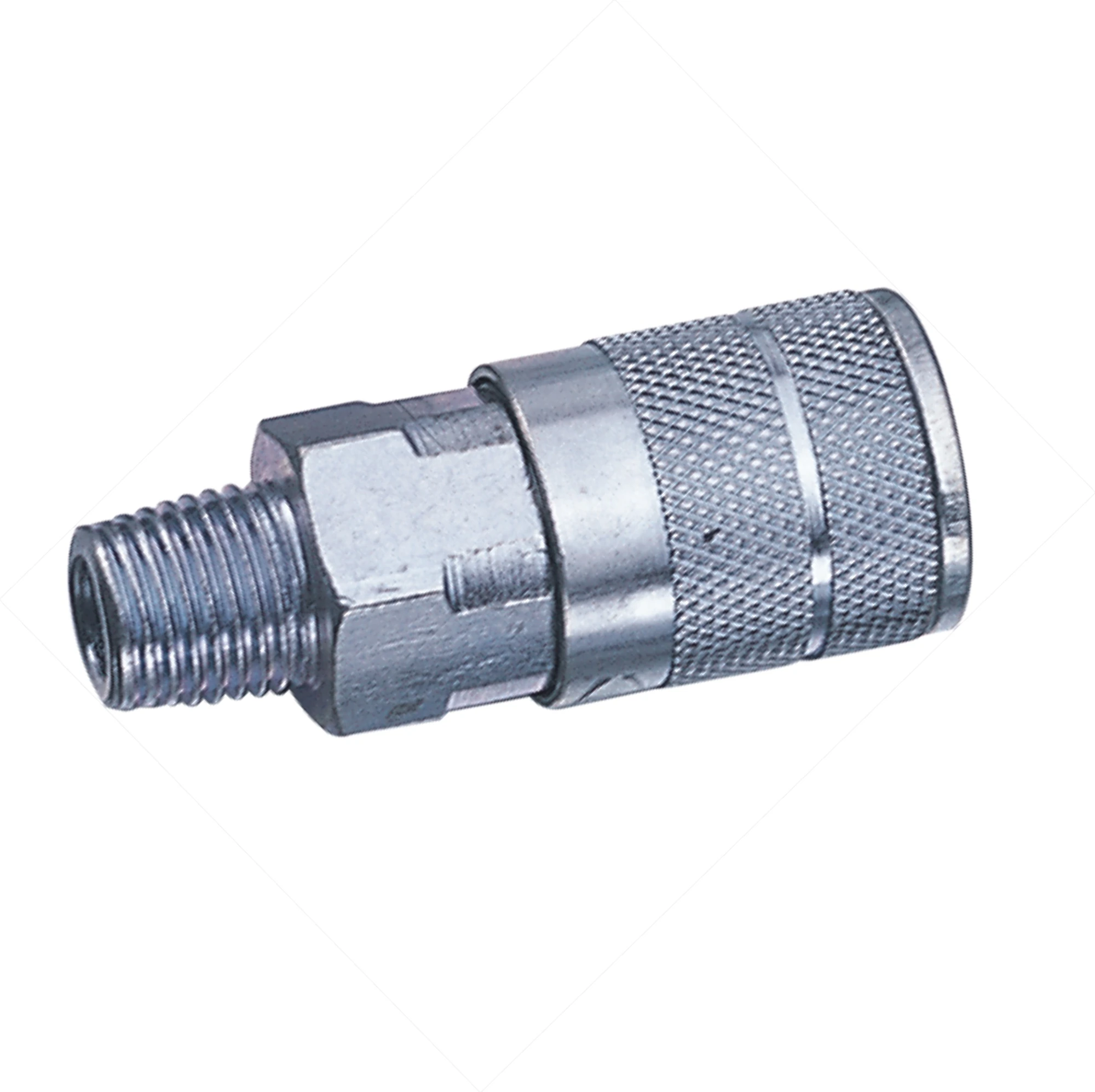
Keep the plug, its original socket and any available packaging together. A readable socket part number may provide a much stronger identification route than the plug alone. Record where the assembly was used, the operating conditions and whether it previously leaked or disconnected unexpectedly.
Clean only enough to expose markings and the external shape using a method compatible with the component. Do not file a nose, polish away a groove or reshape a worn part to make it resemble a chart. Damage is evidence about the part’s condition, not an adjustment method.
Photograph the profile before measuring
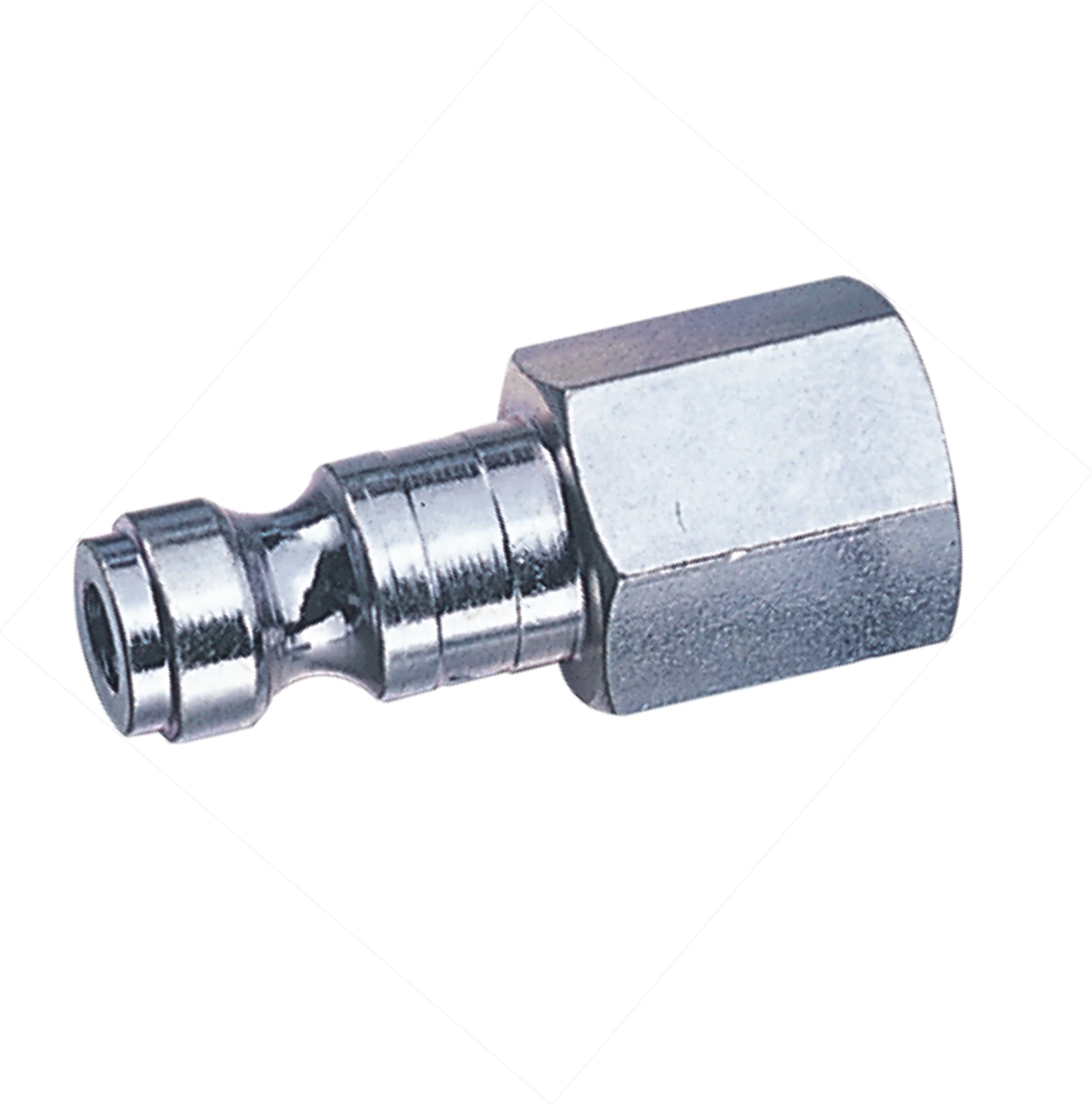
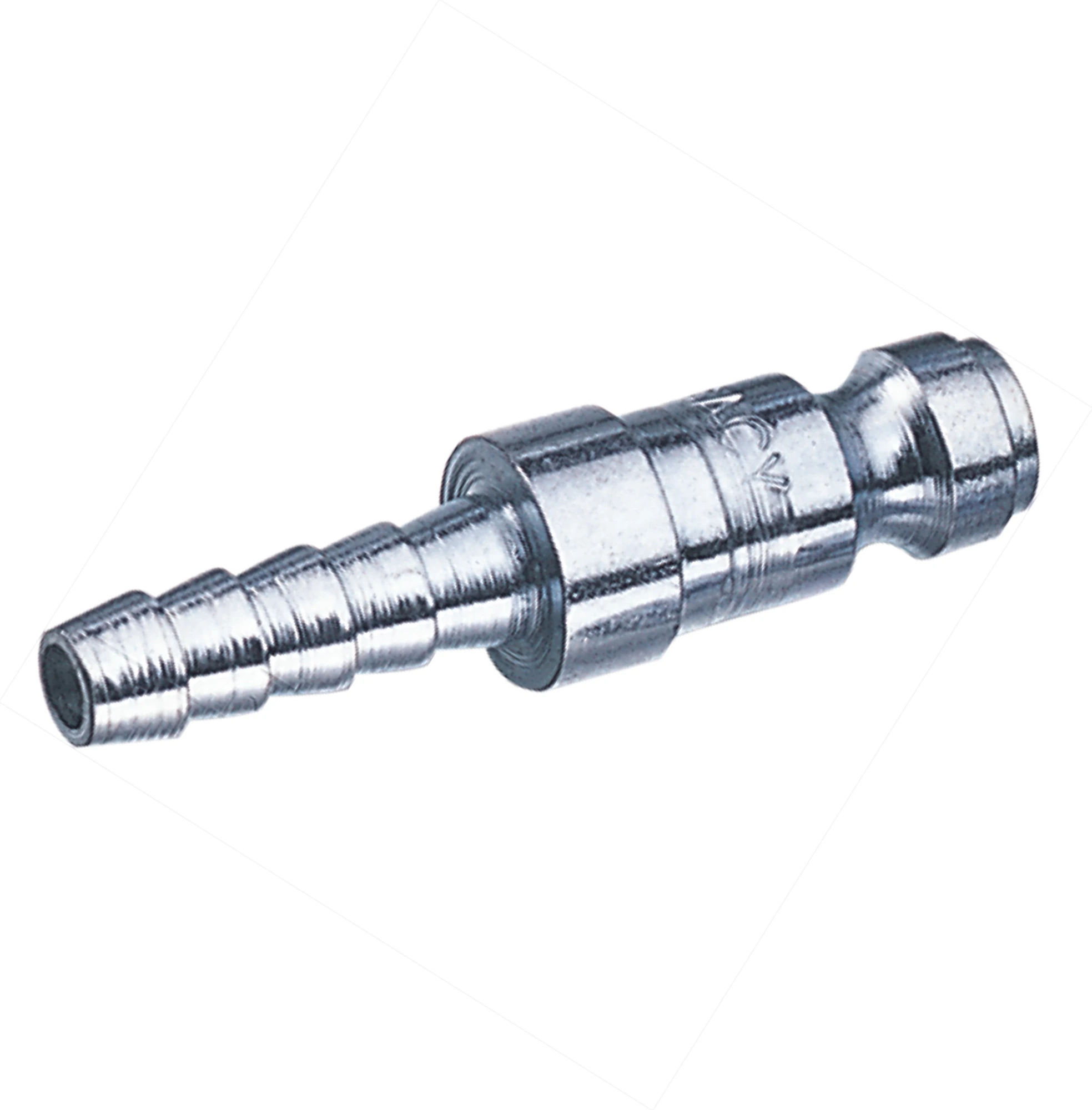
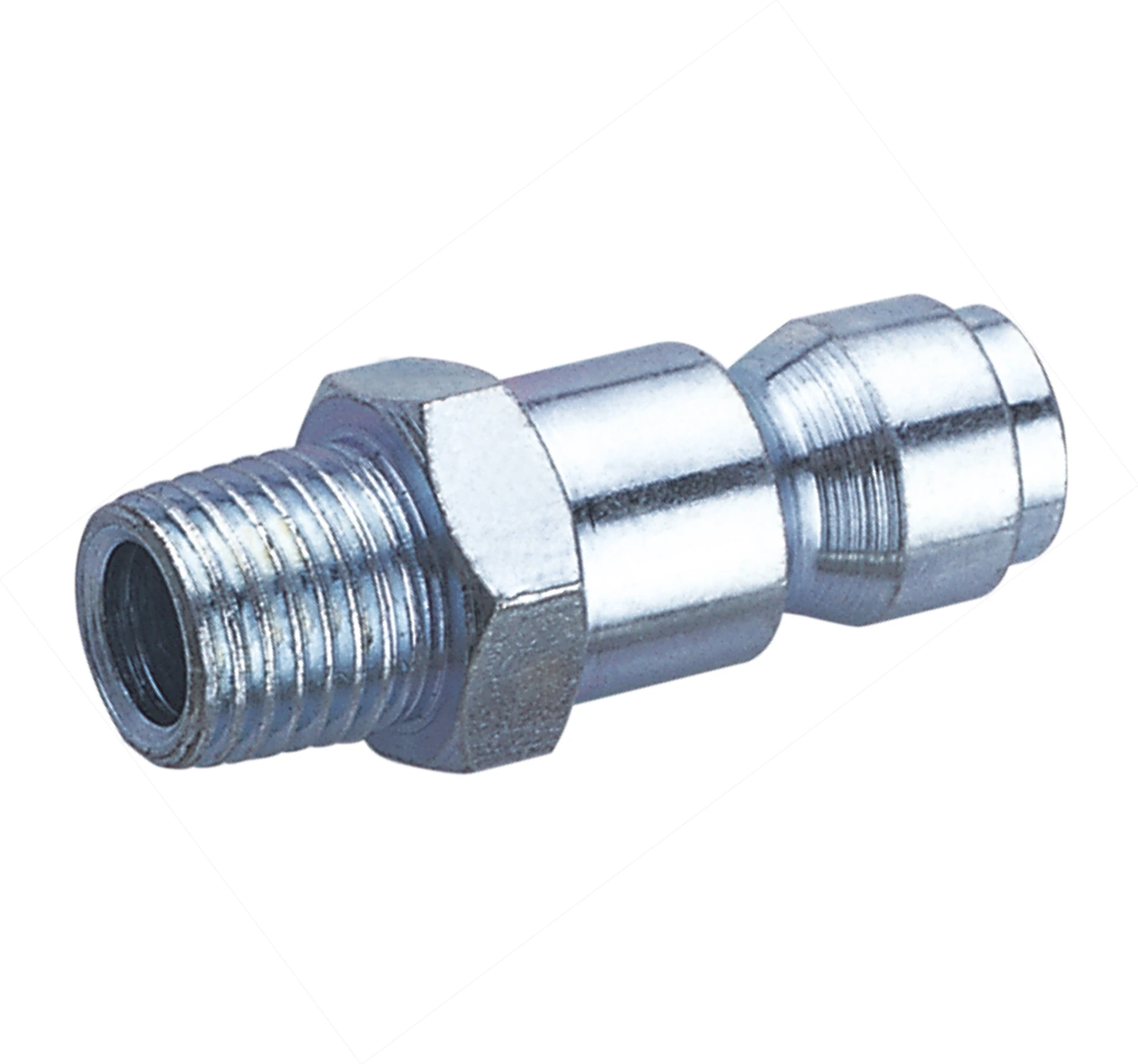
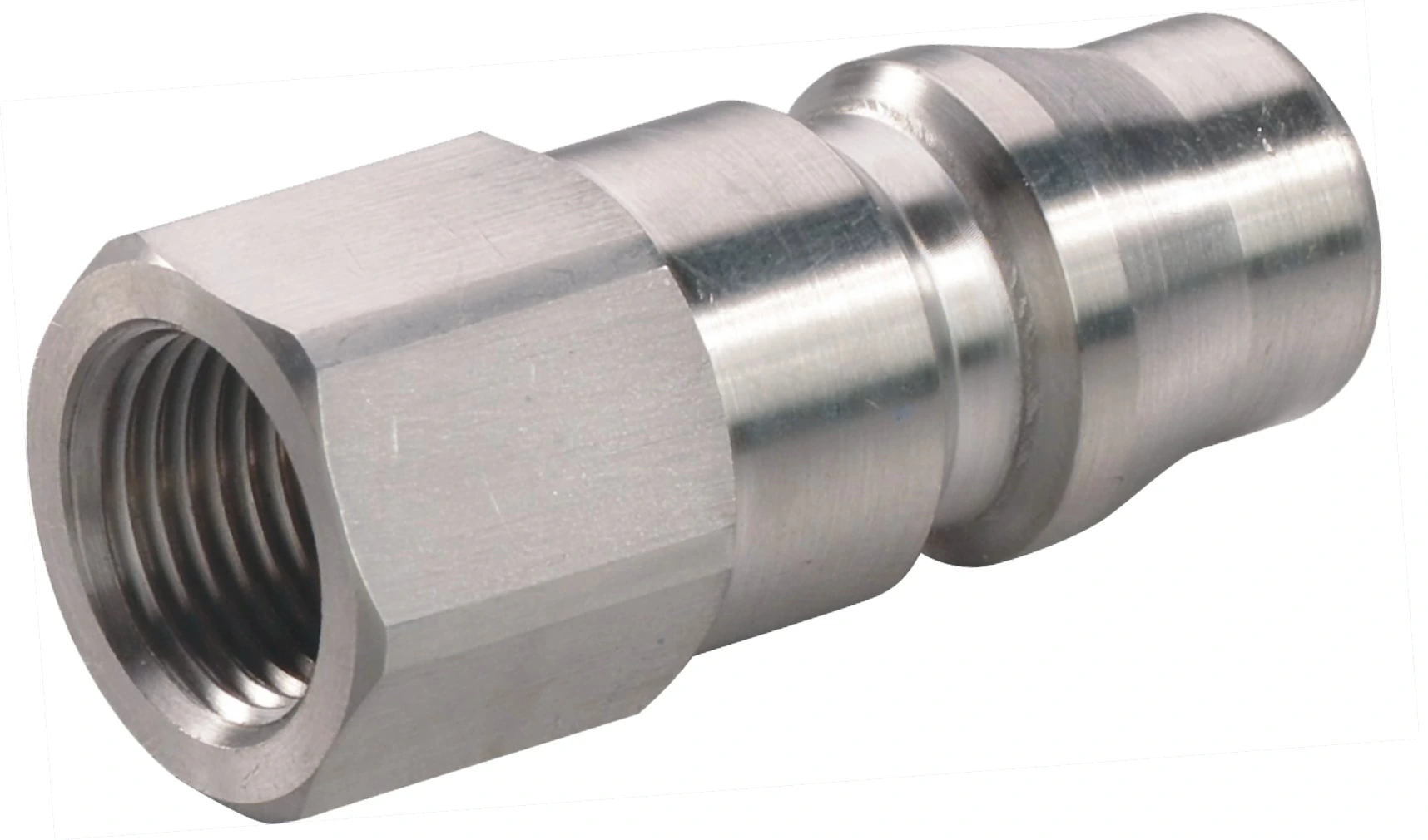
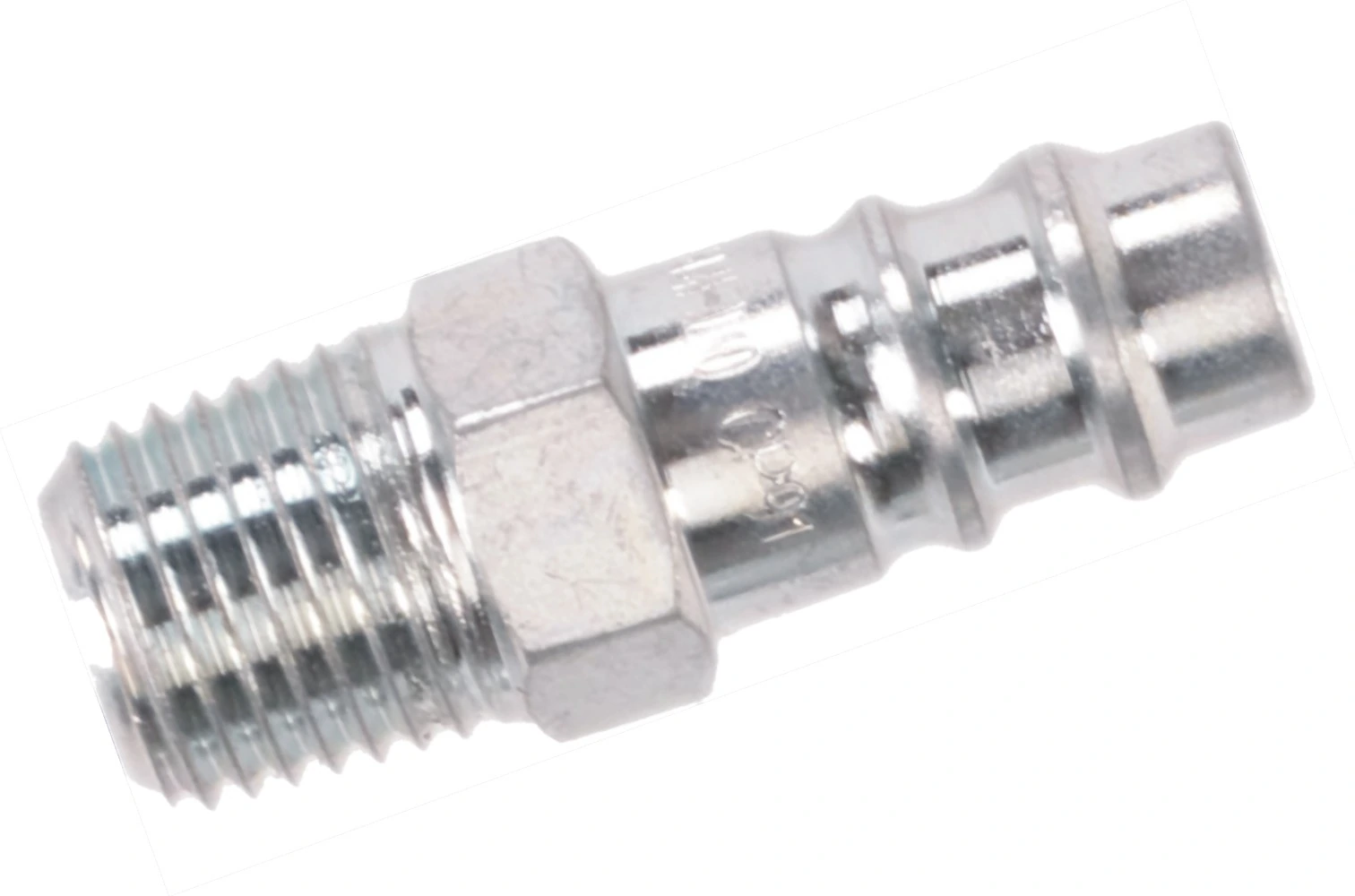
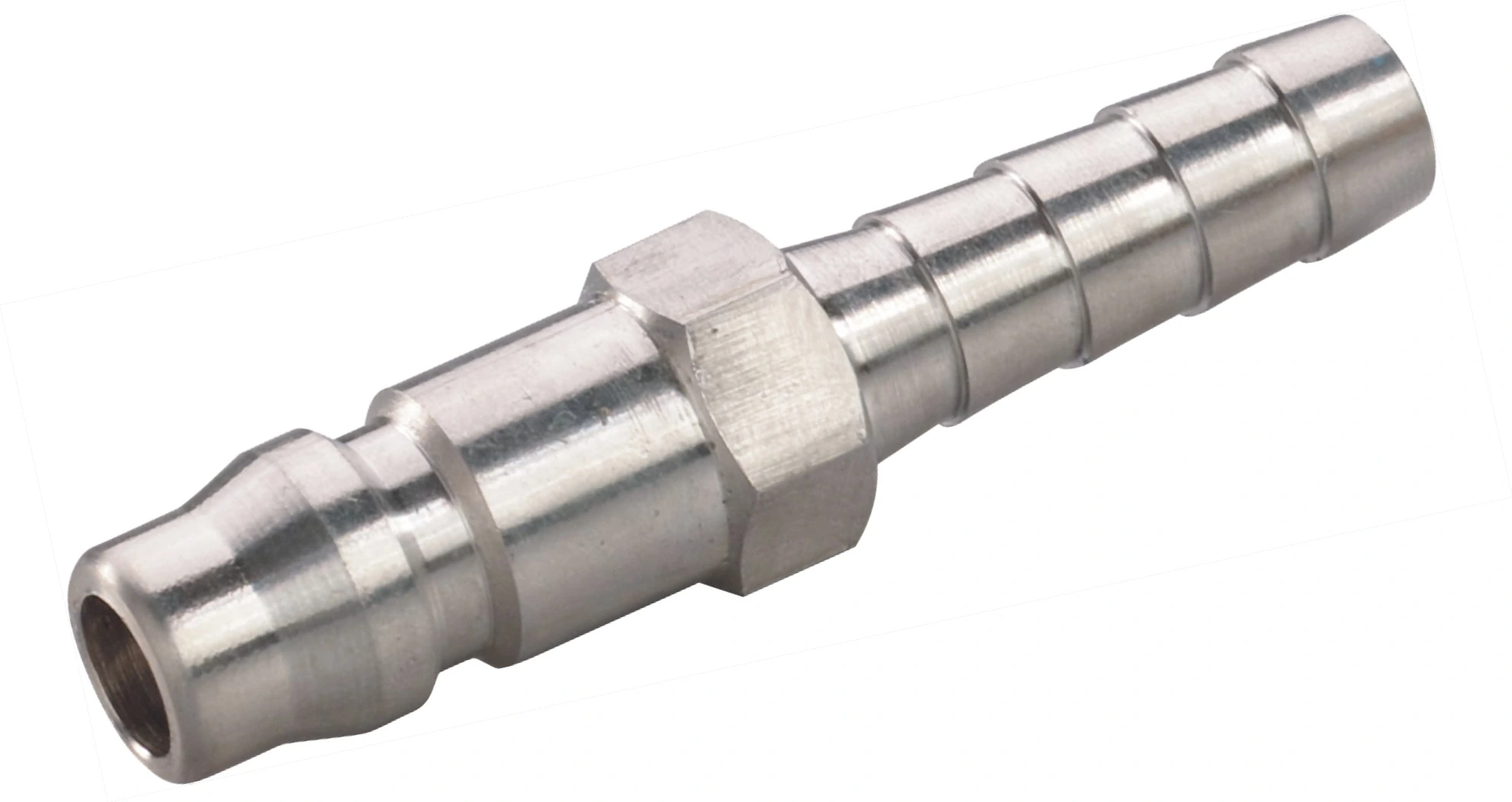
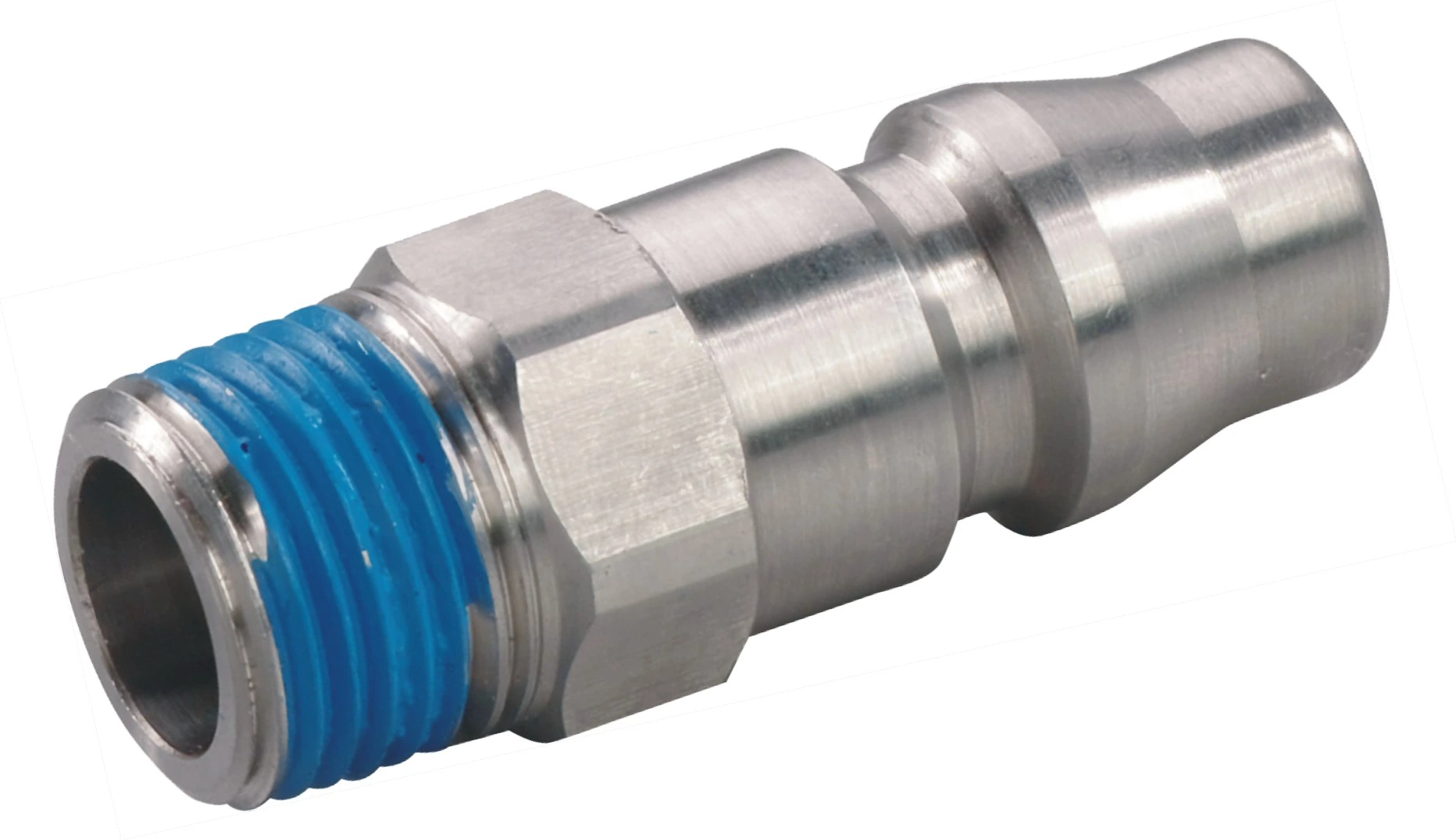
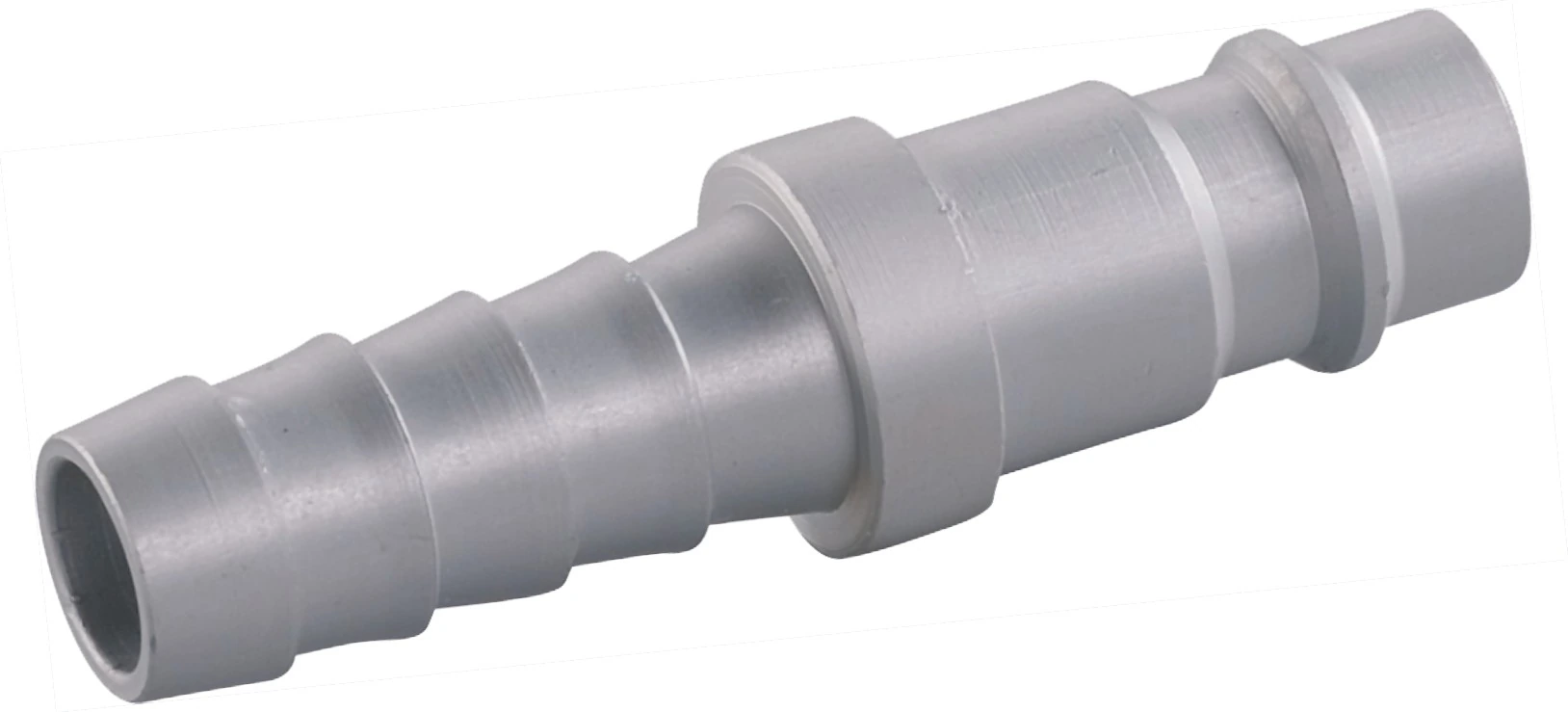
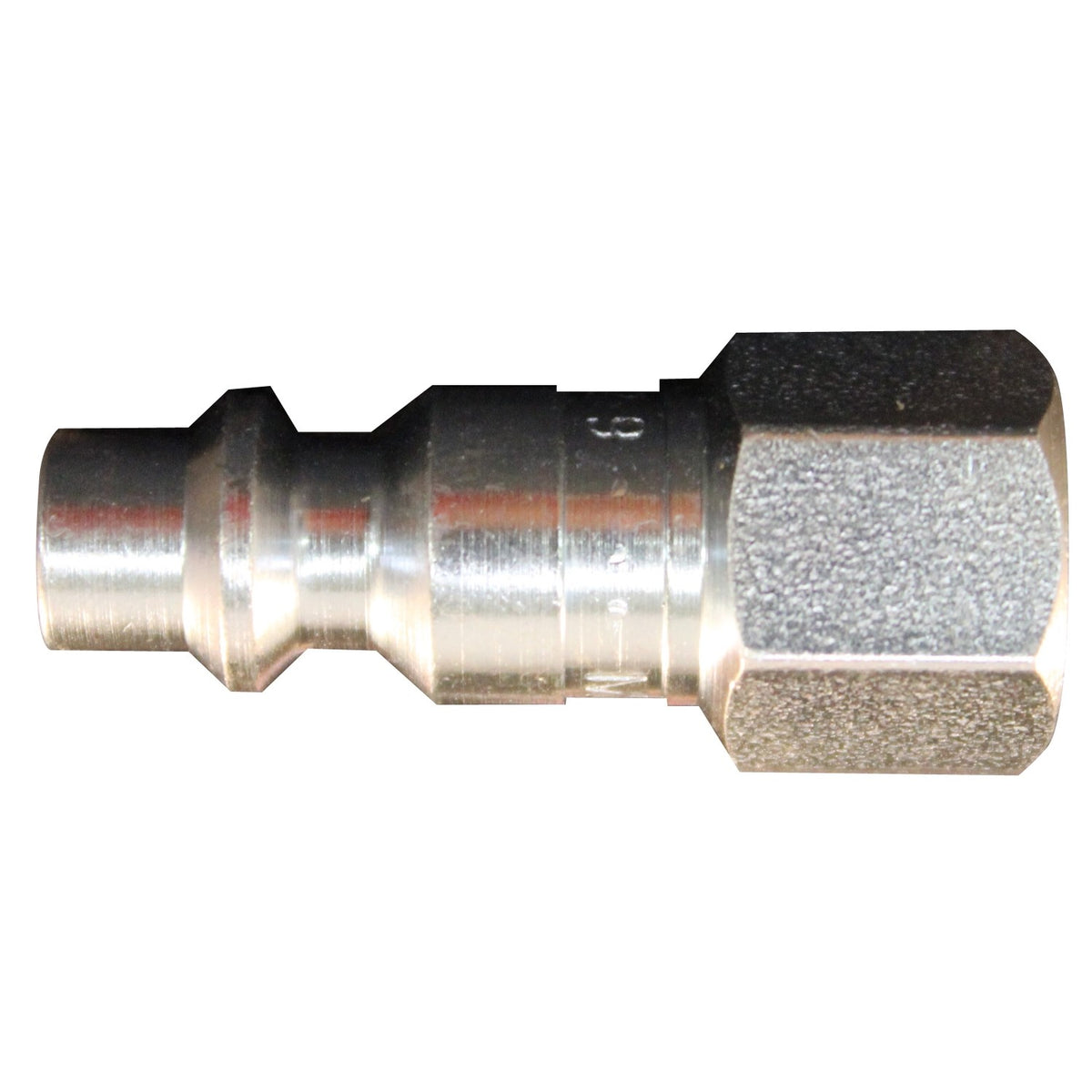
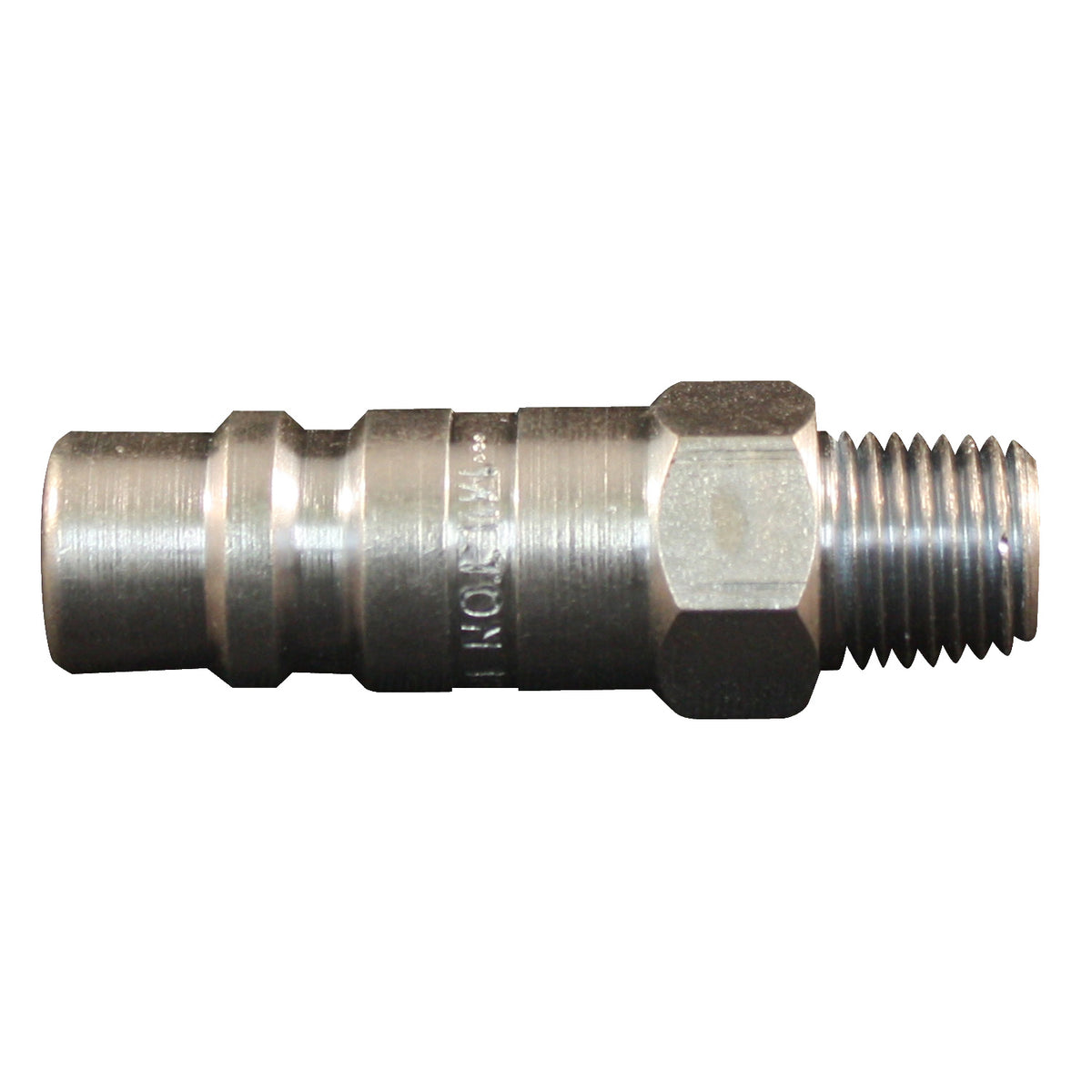
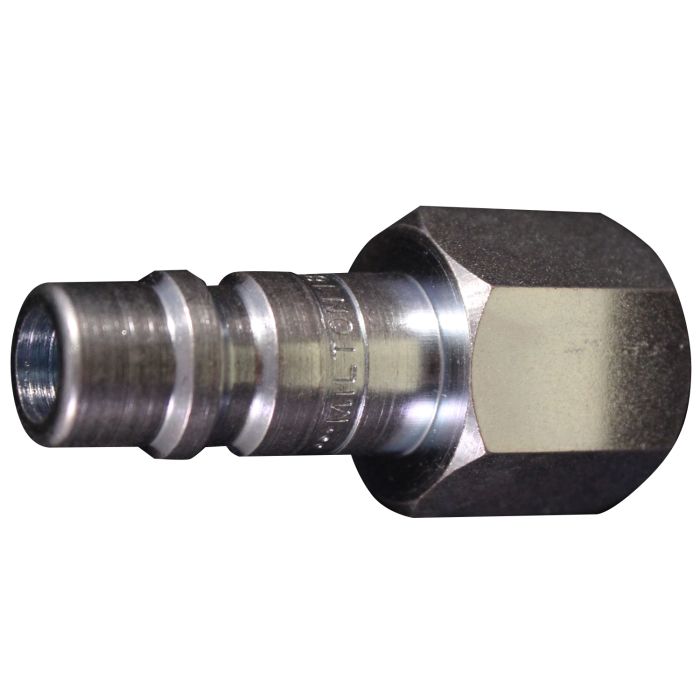
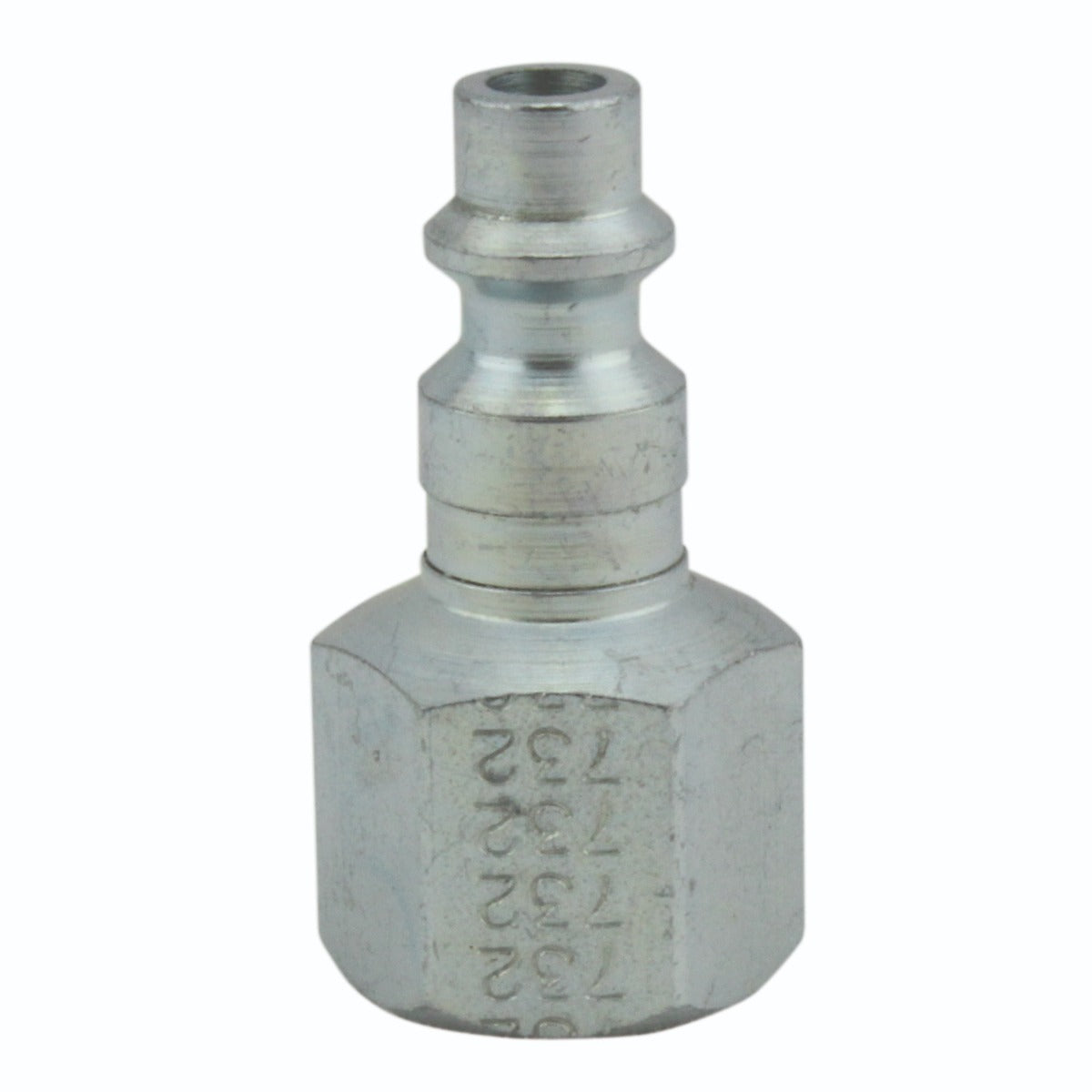
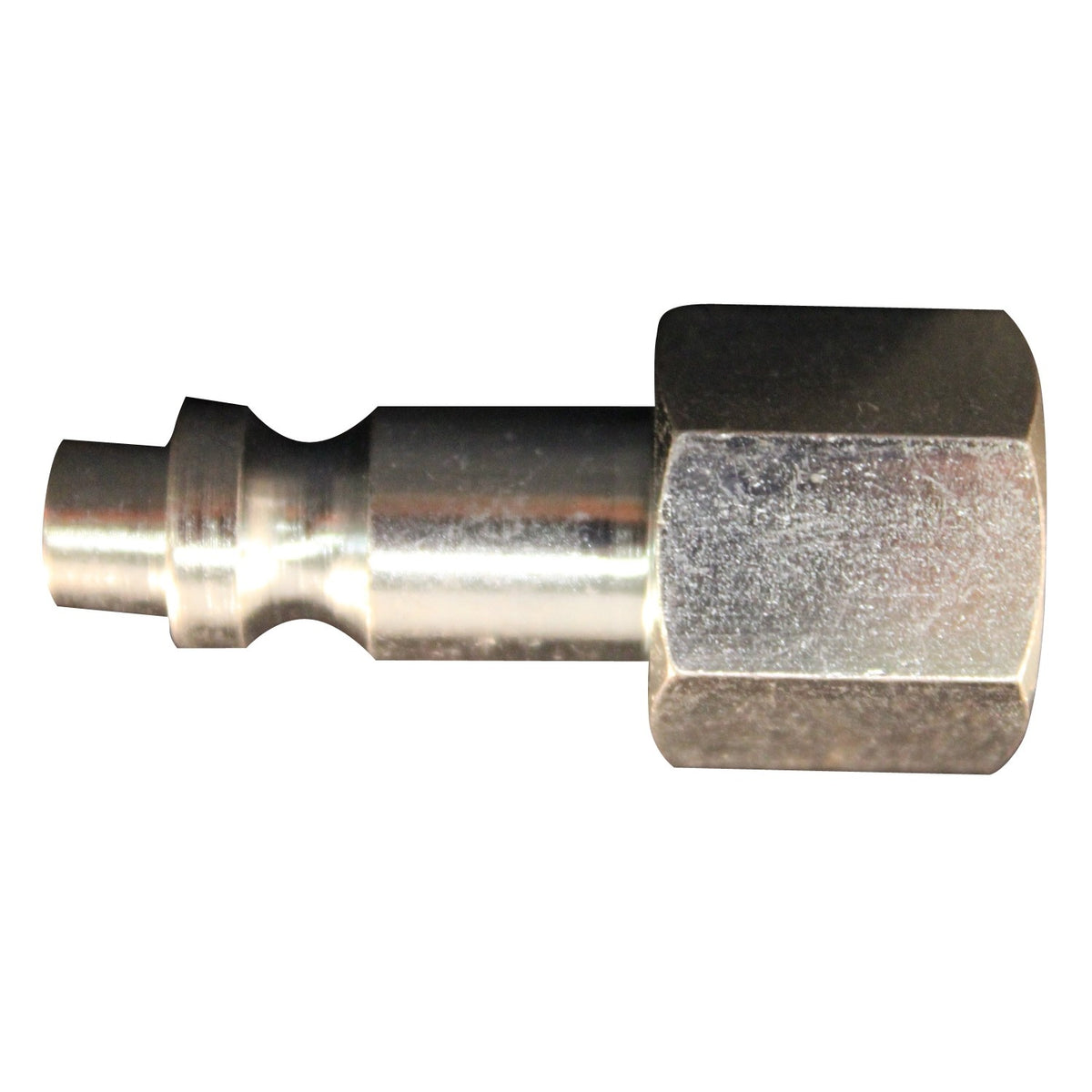
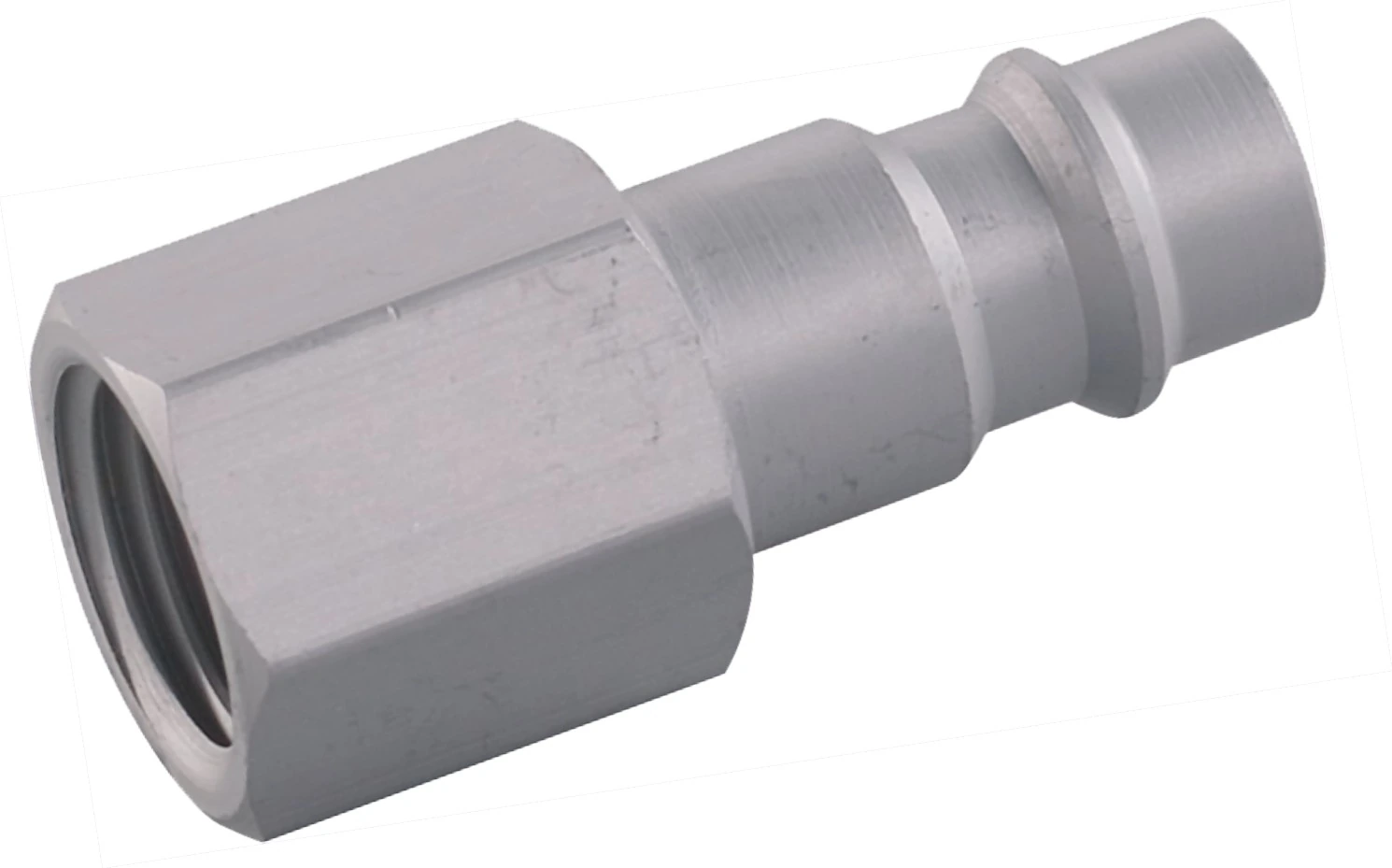
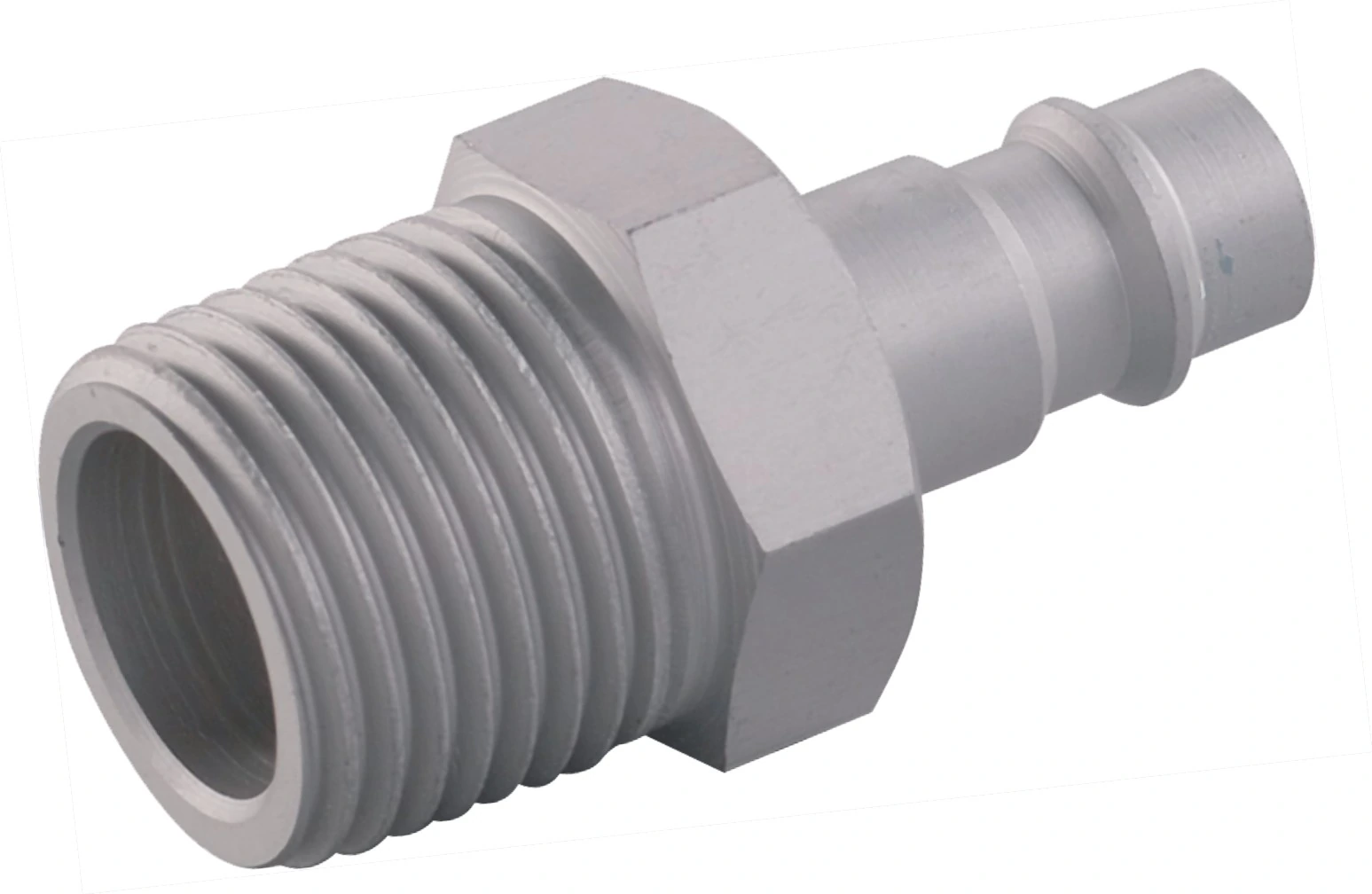
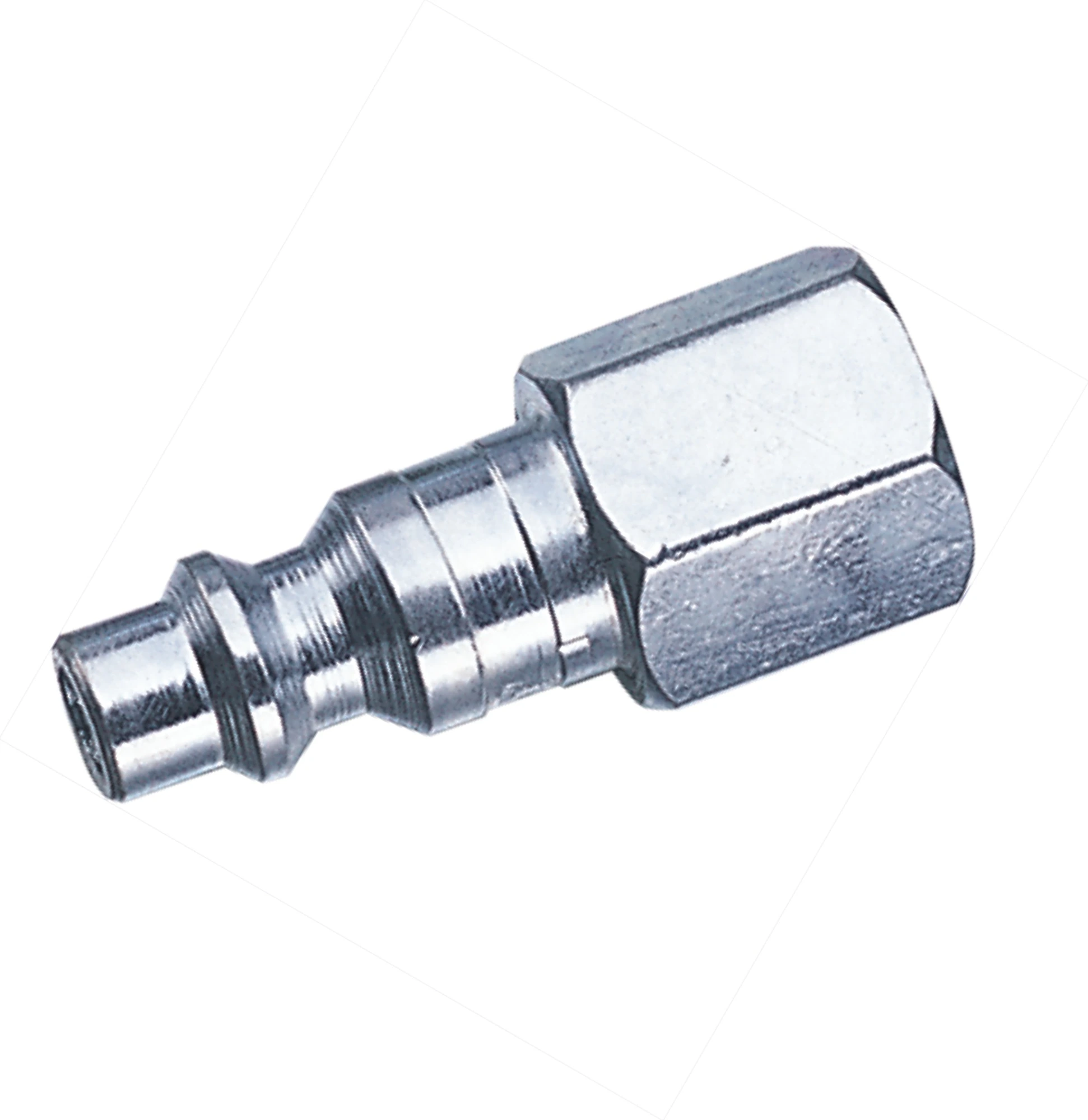
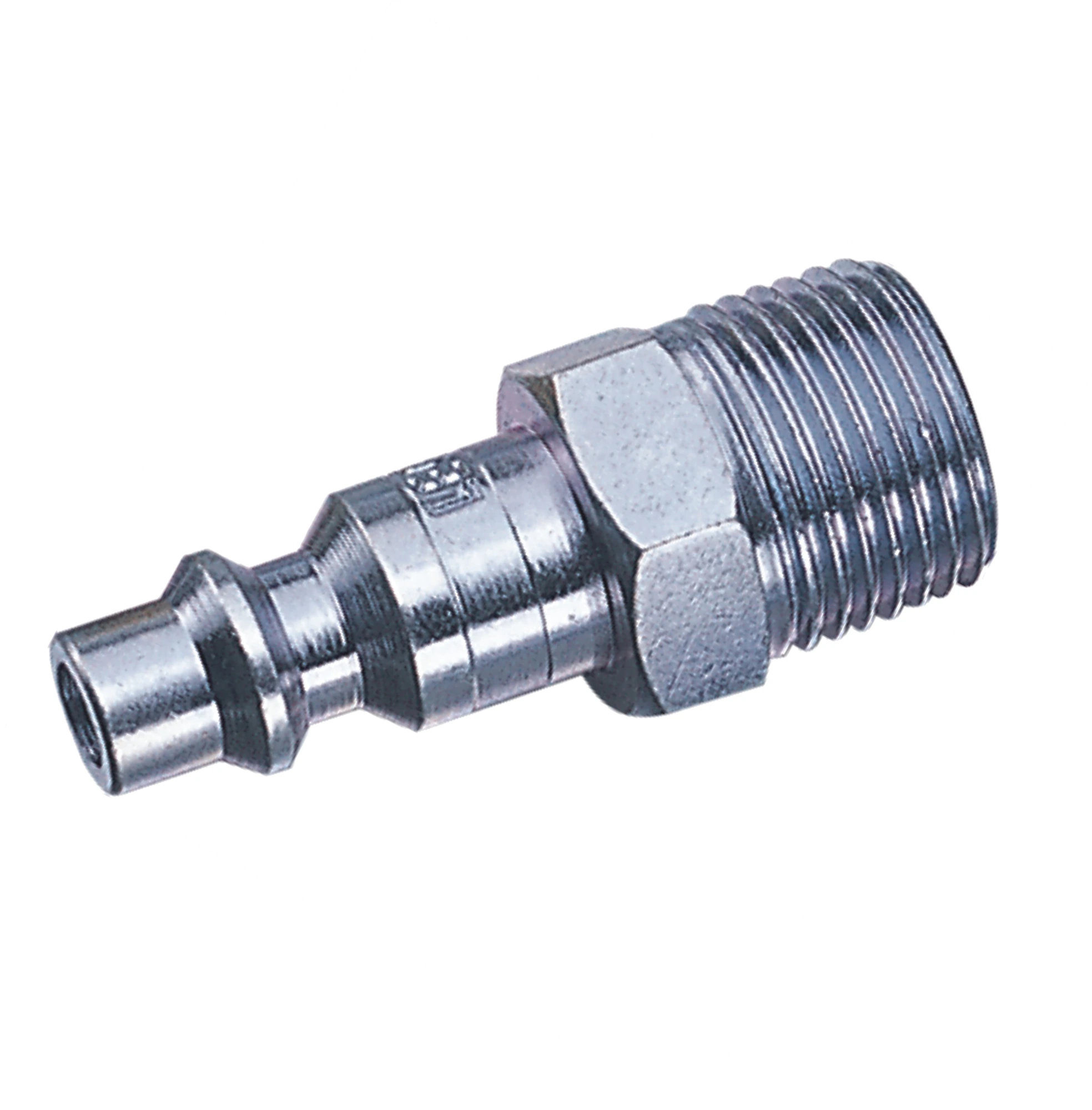
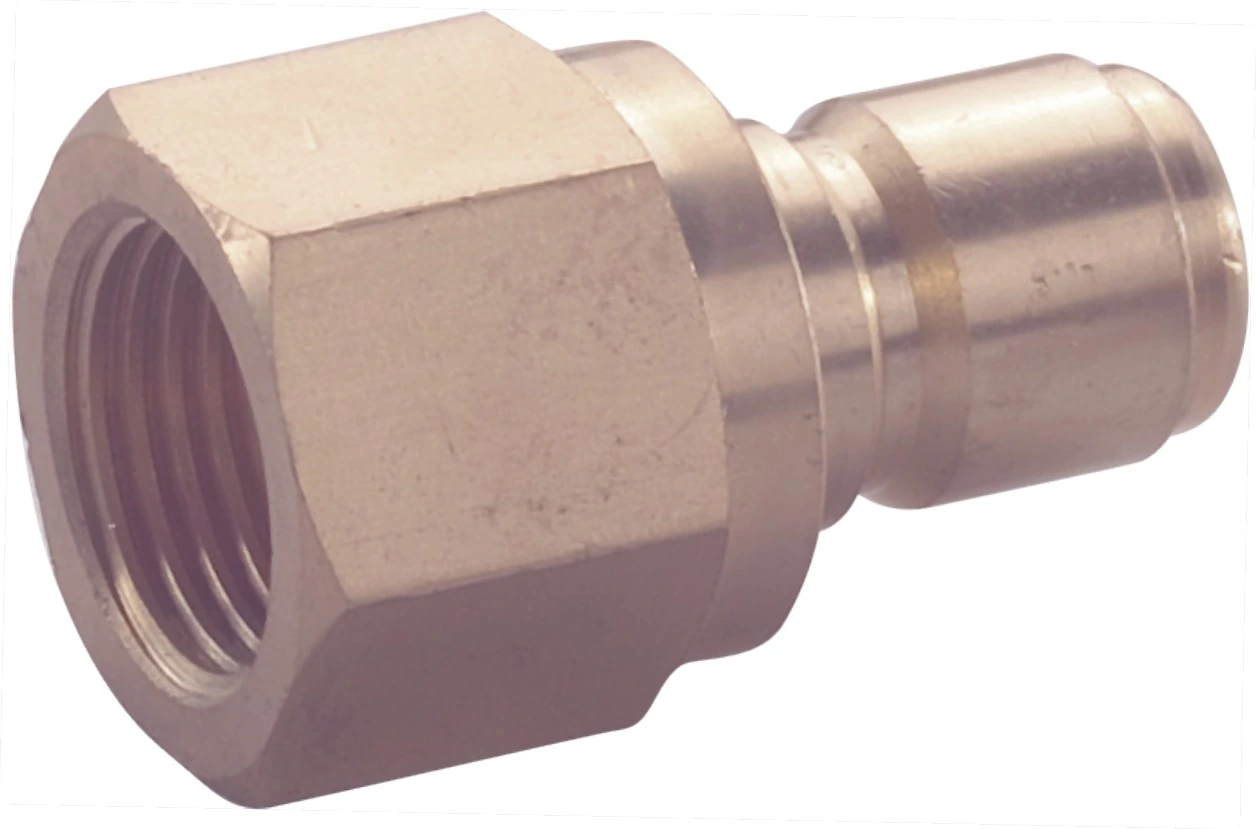
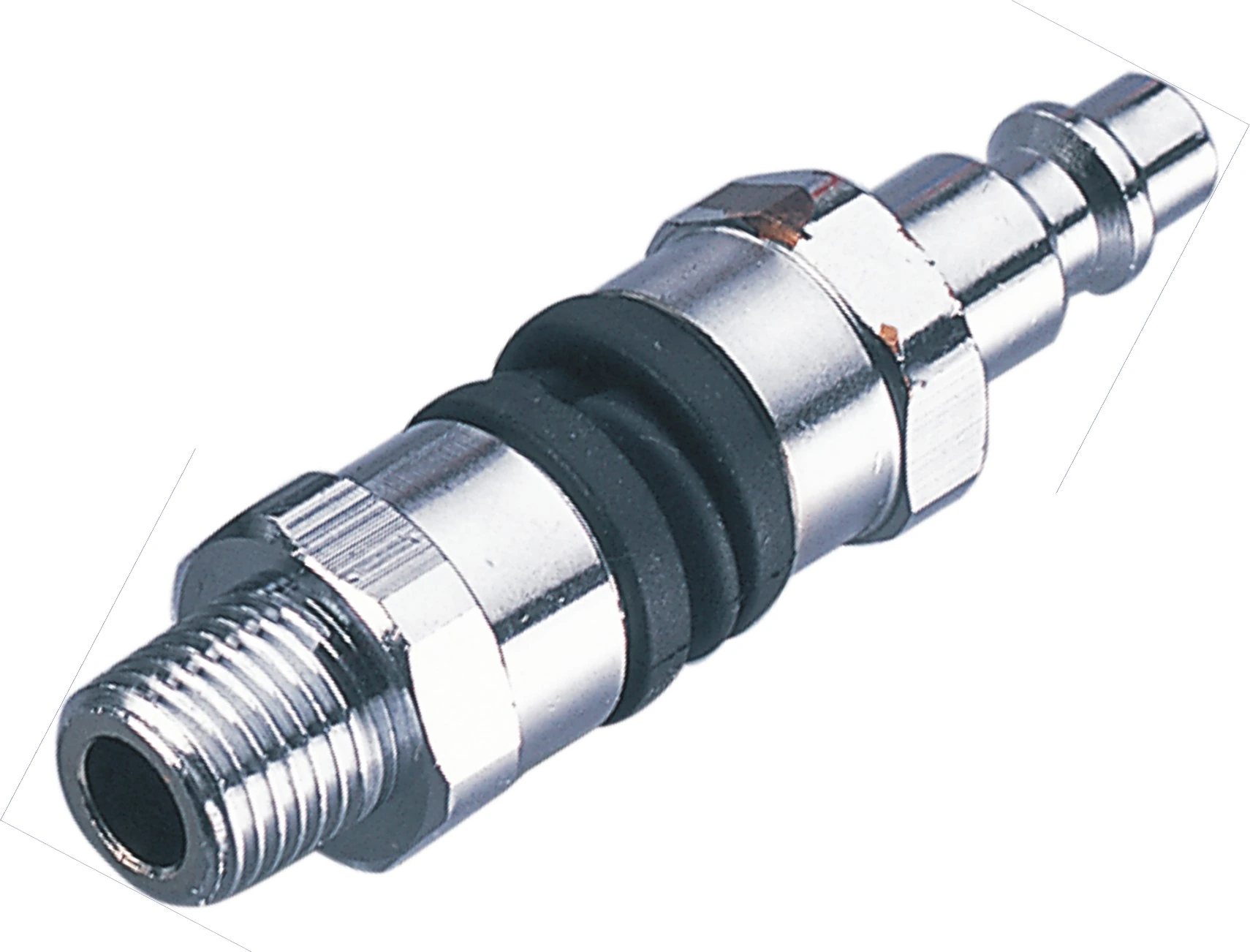
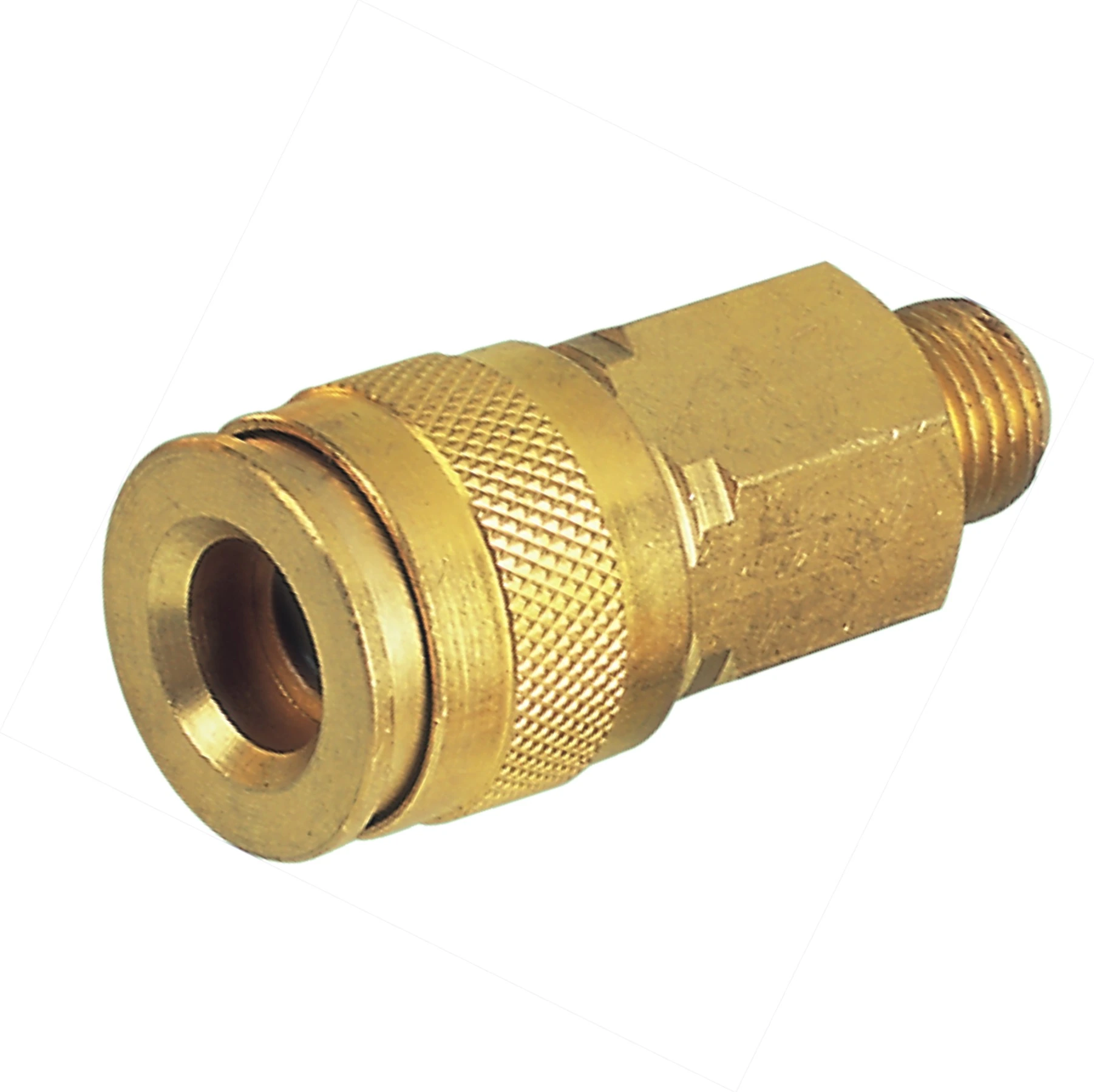
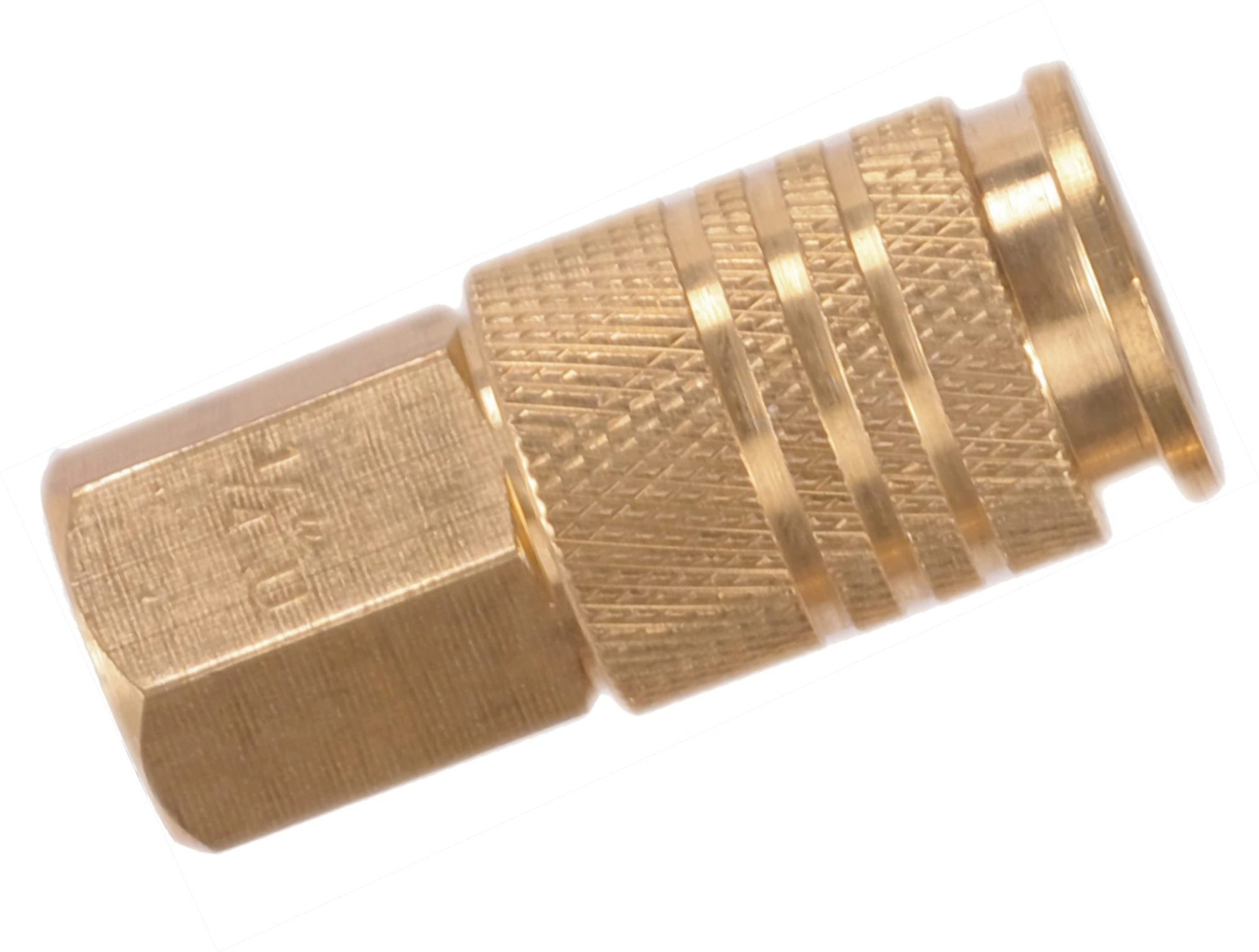
Take a square side view that shows the complete nose, shoulder and retaining groove. Add an end view and a photograph of the rear connection. Include a scale in the same plane where possible, and avoid wide-angle perspective that changes apparent proportions.
Record every visible brand, series letter, number and material marking. A letter can be useful when tied to a known manufacturer; without that context it may be misleading. Dixon, for example, uses different series letters from other suppliers for comparable market categories. [1]
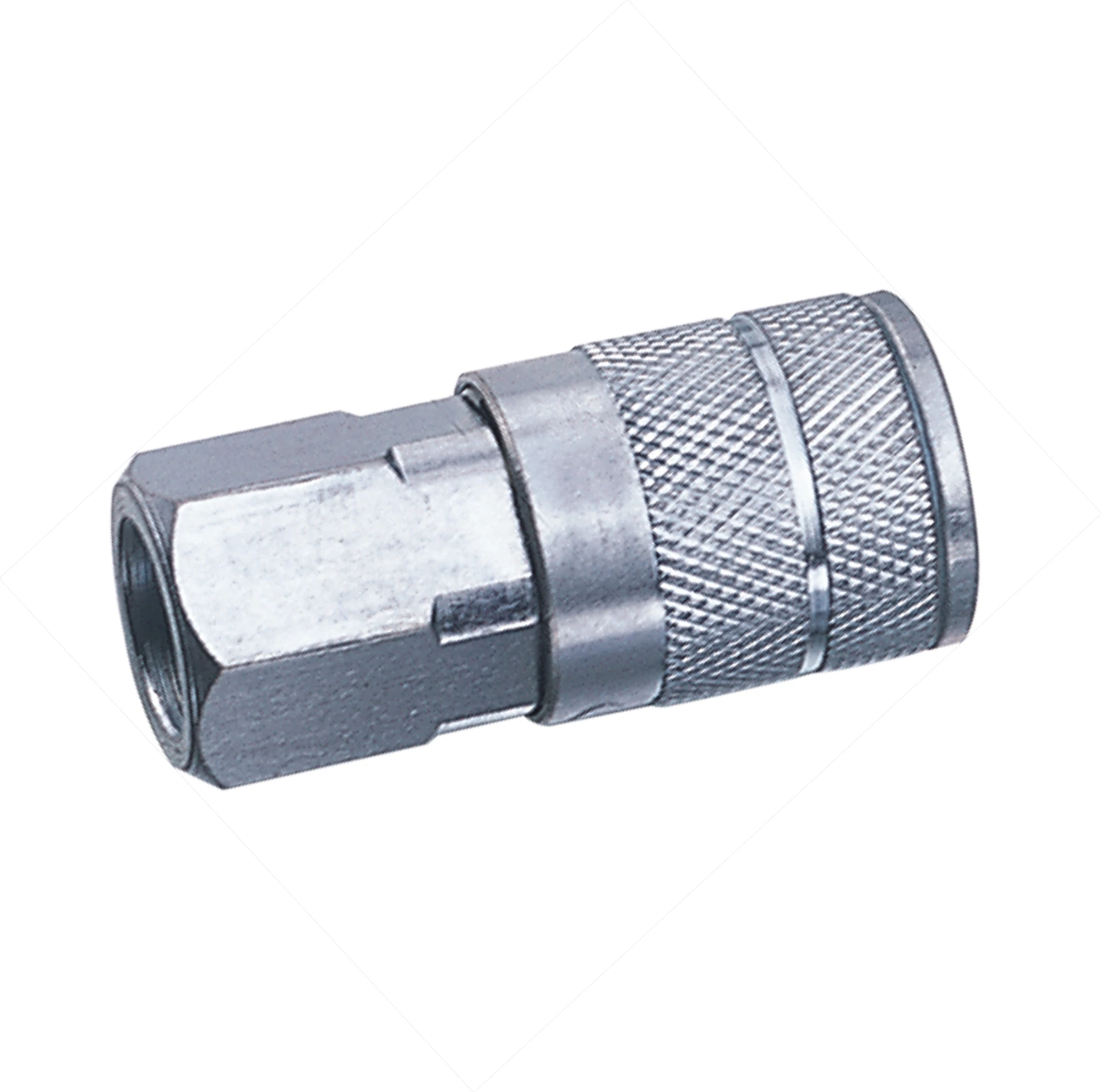
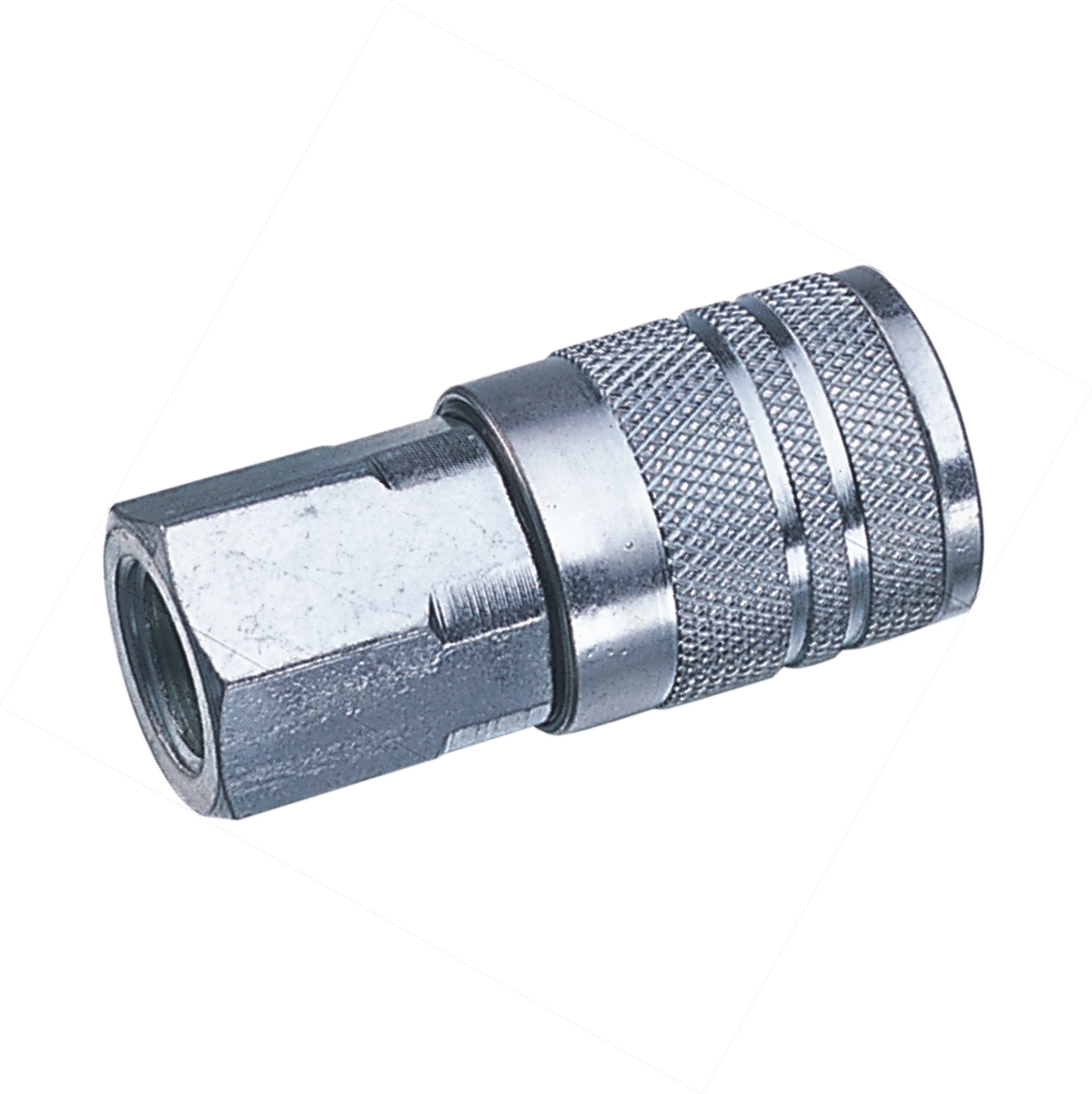
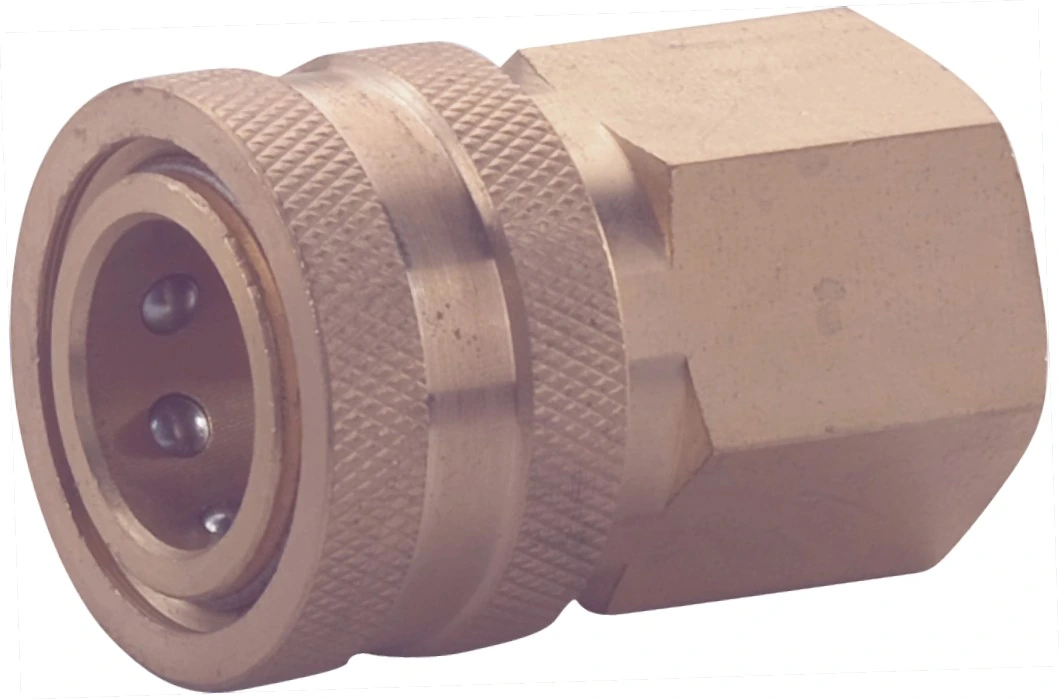
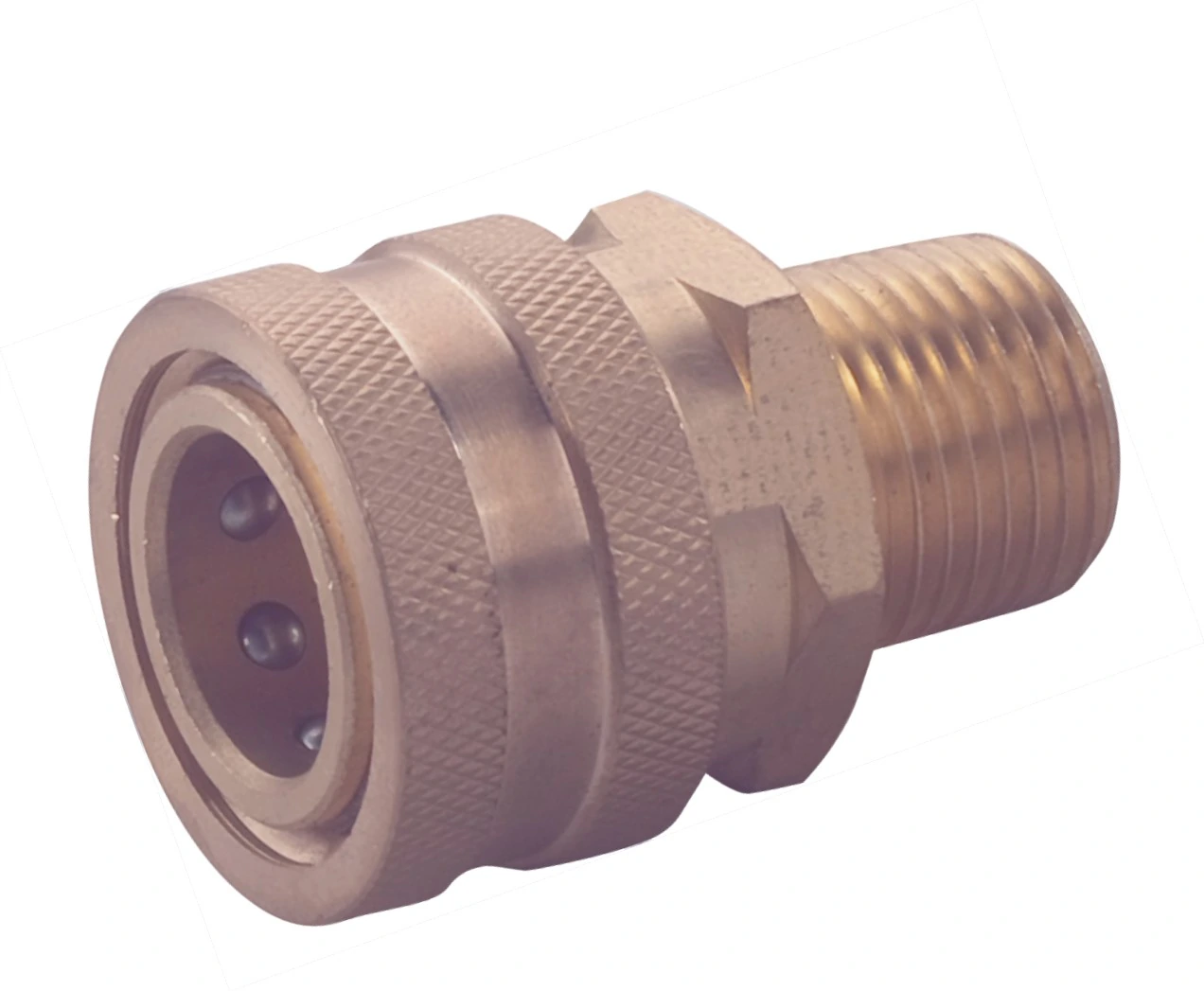
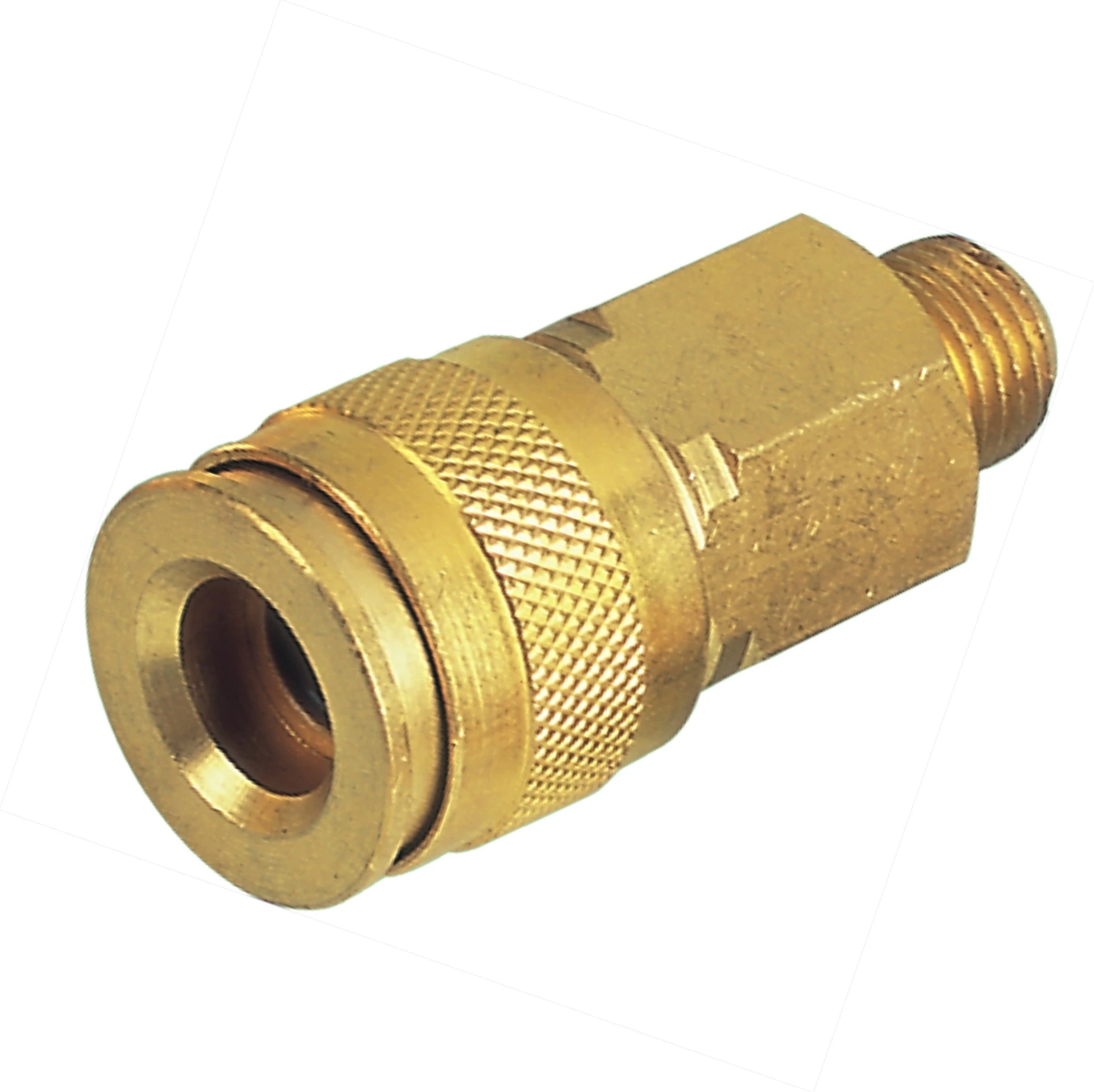
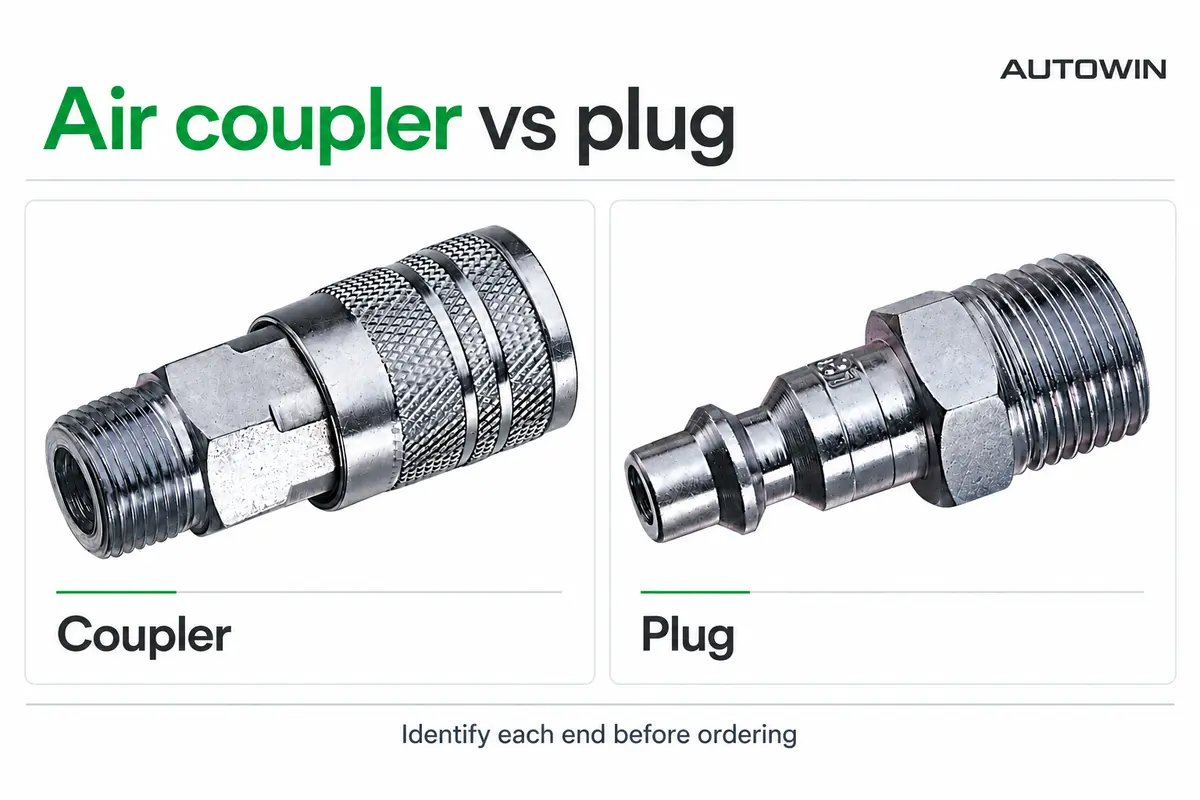
Label the photographs so the reviewer knows which image shows the coupling profile and which shows the mounting thread. The coupler and plug terminology guide helps distinguish those two interfaces.
Record the features that determine the profile
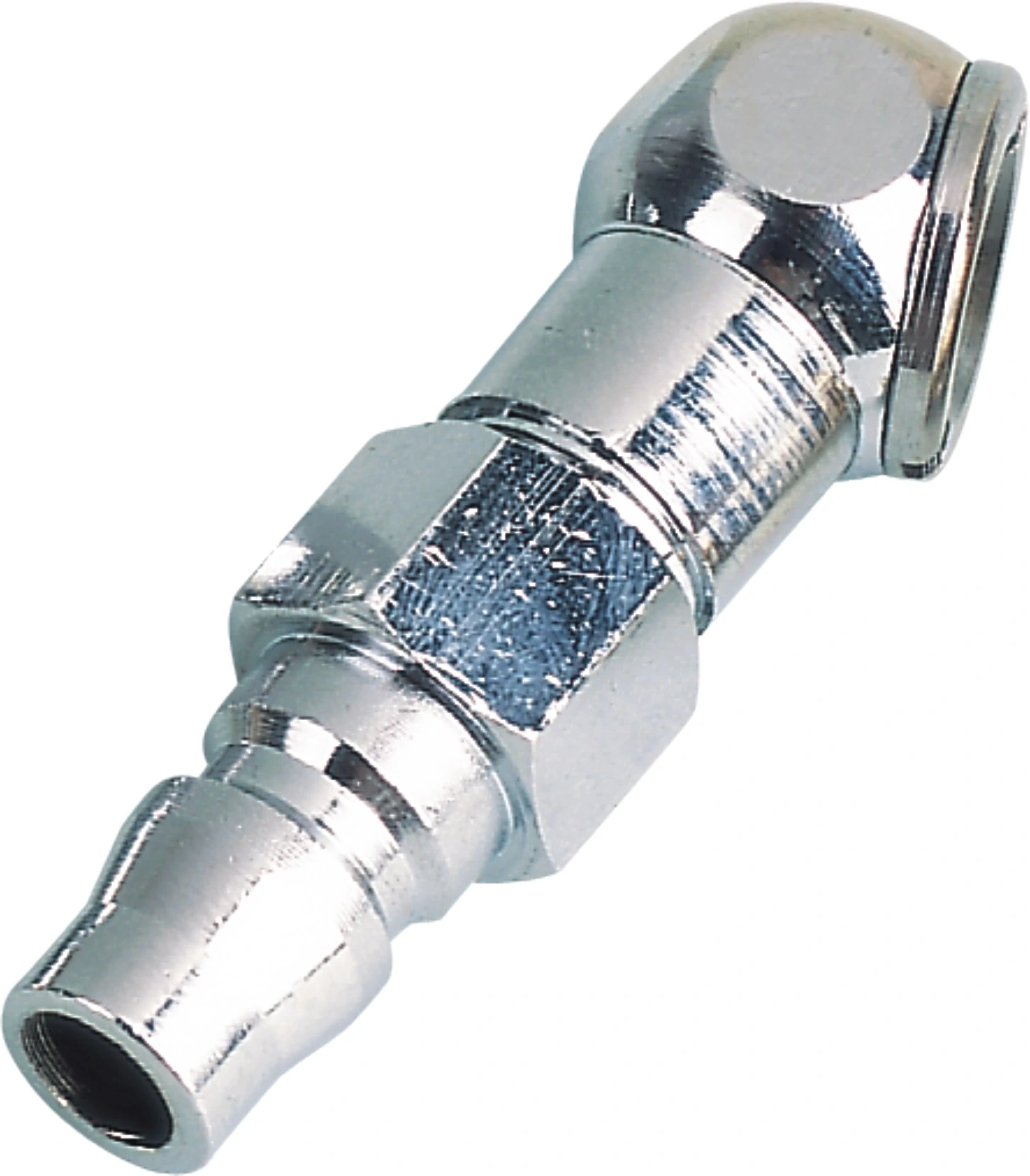
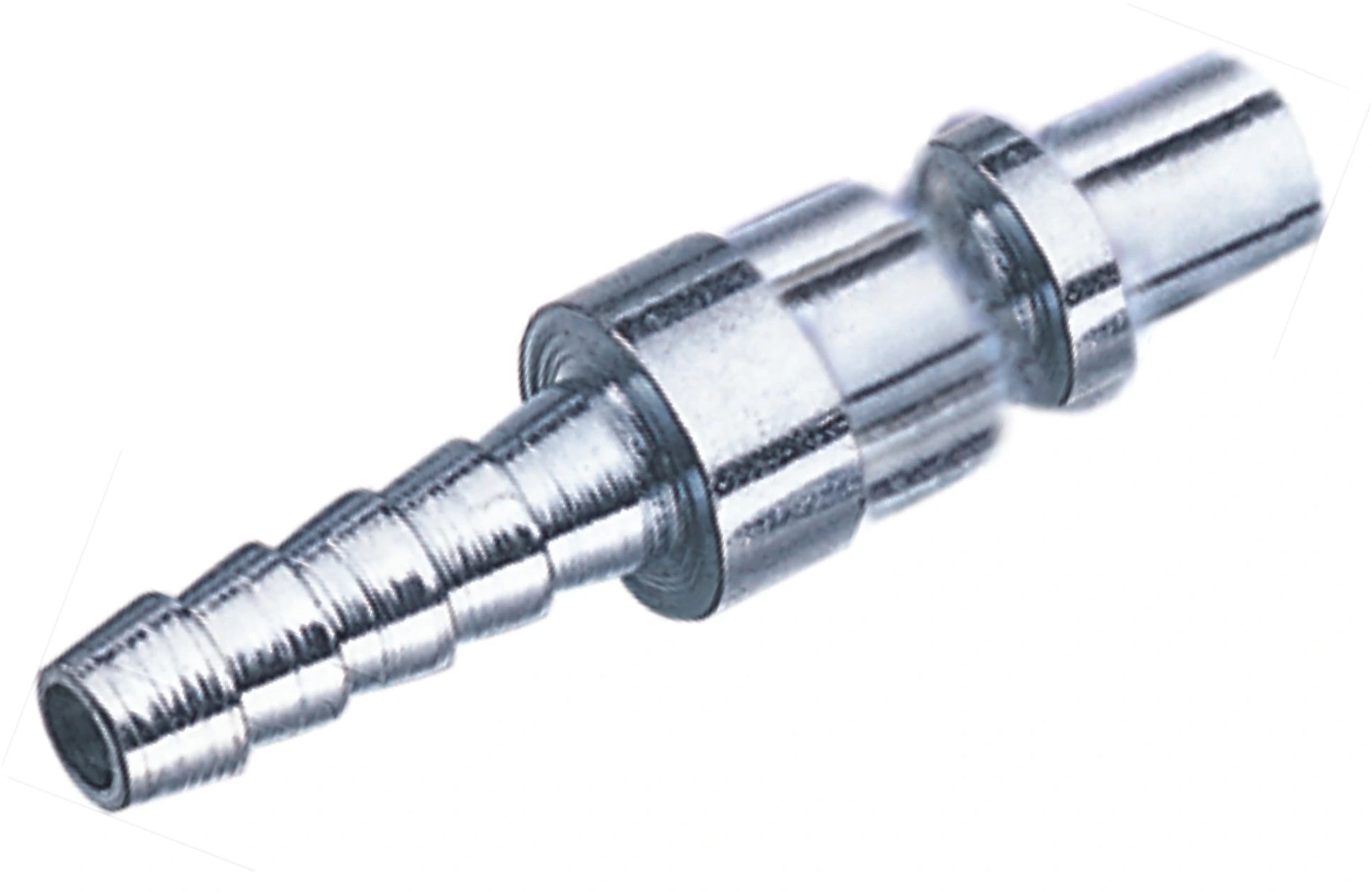
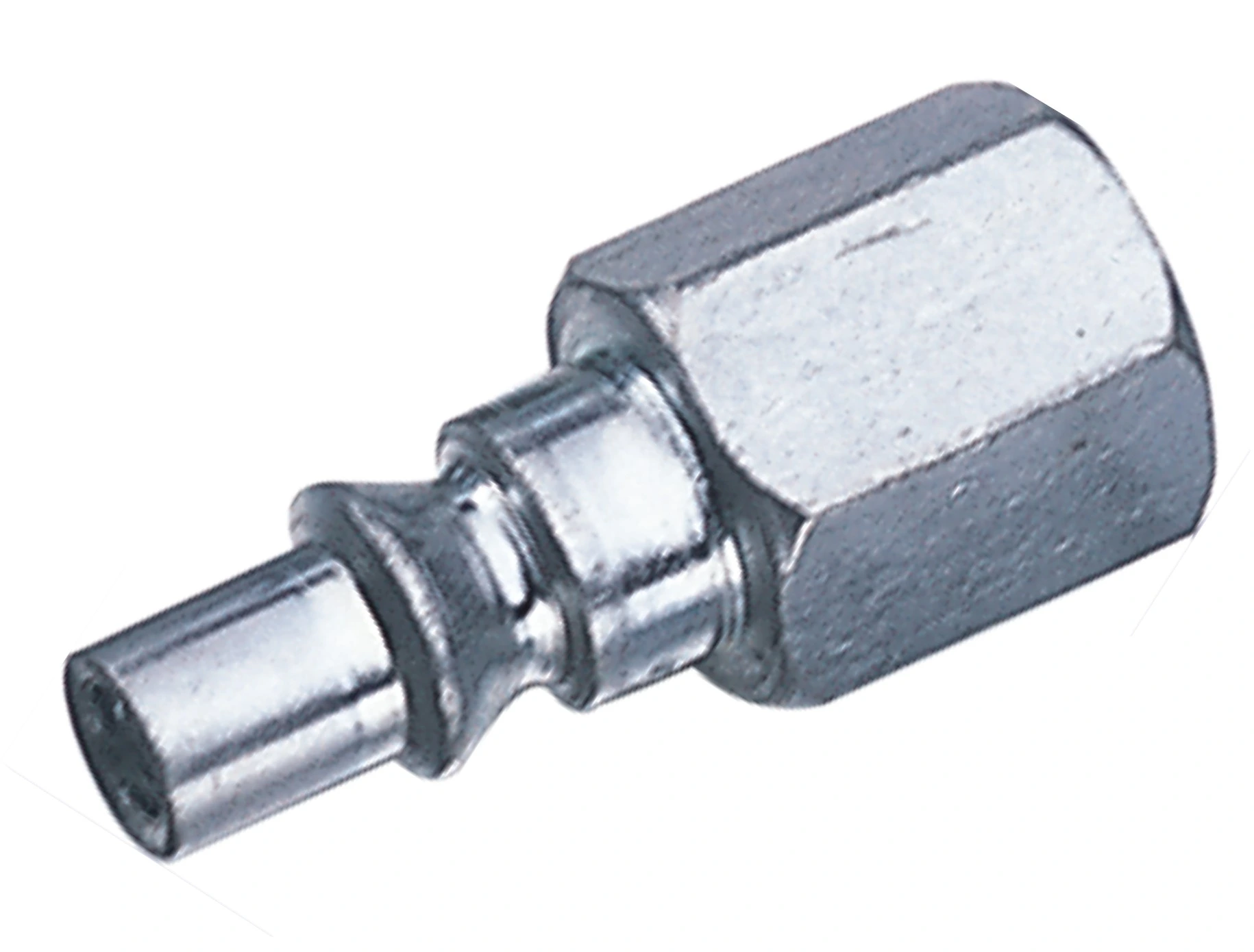
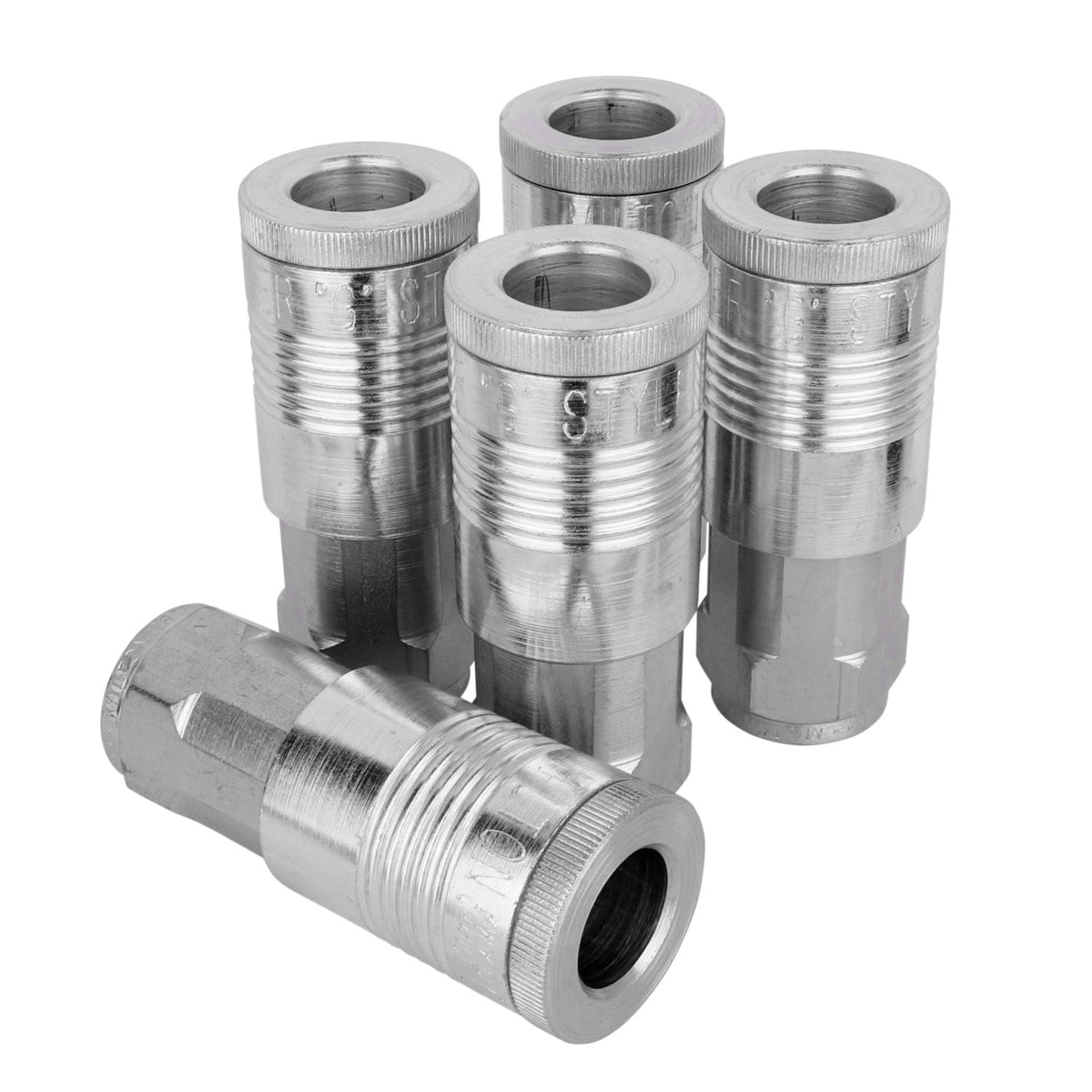
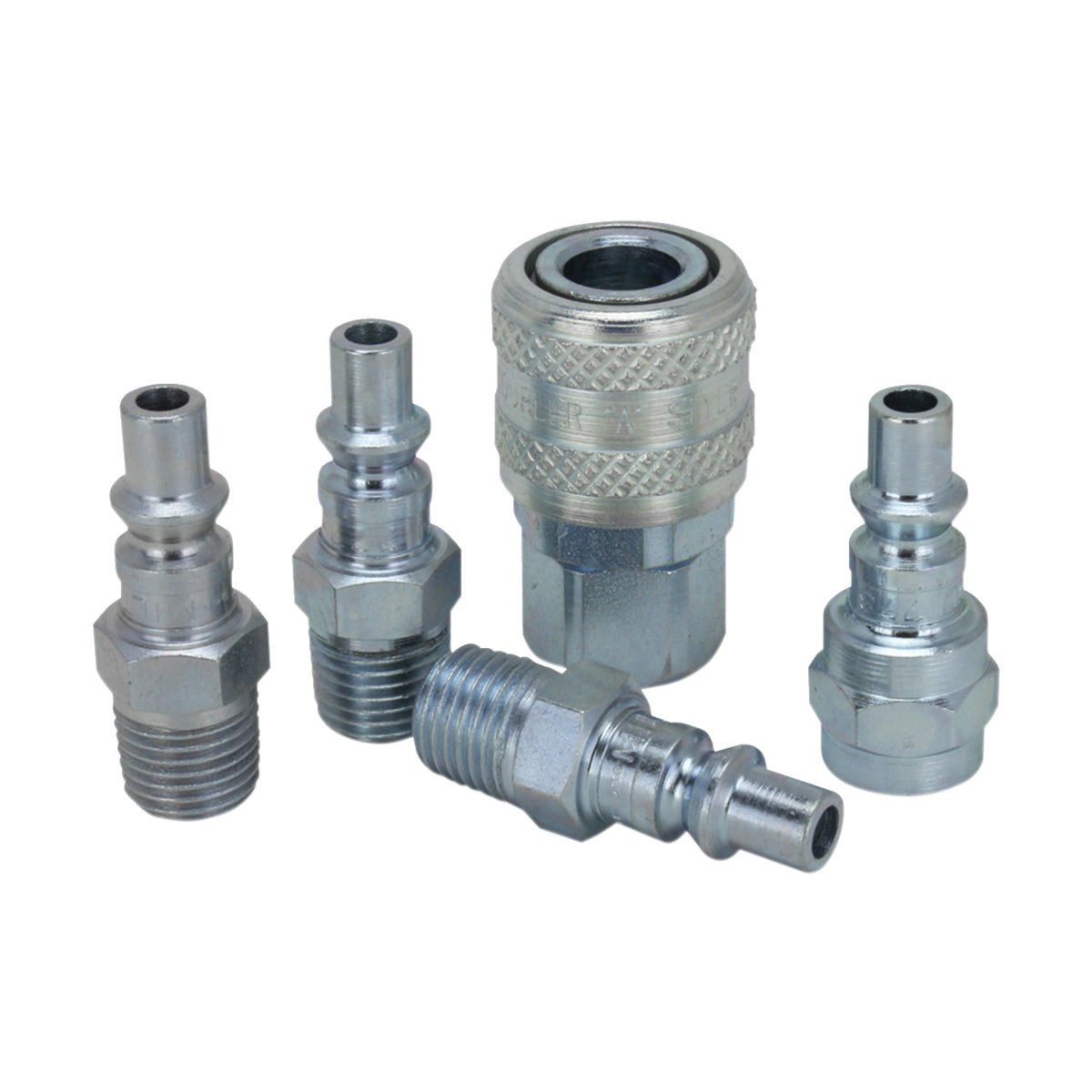
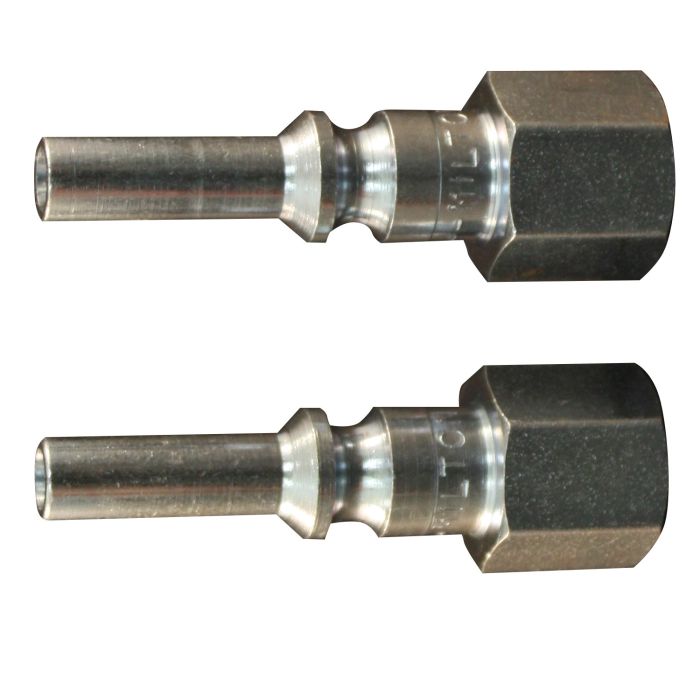
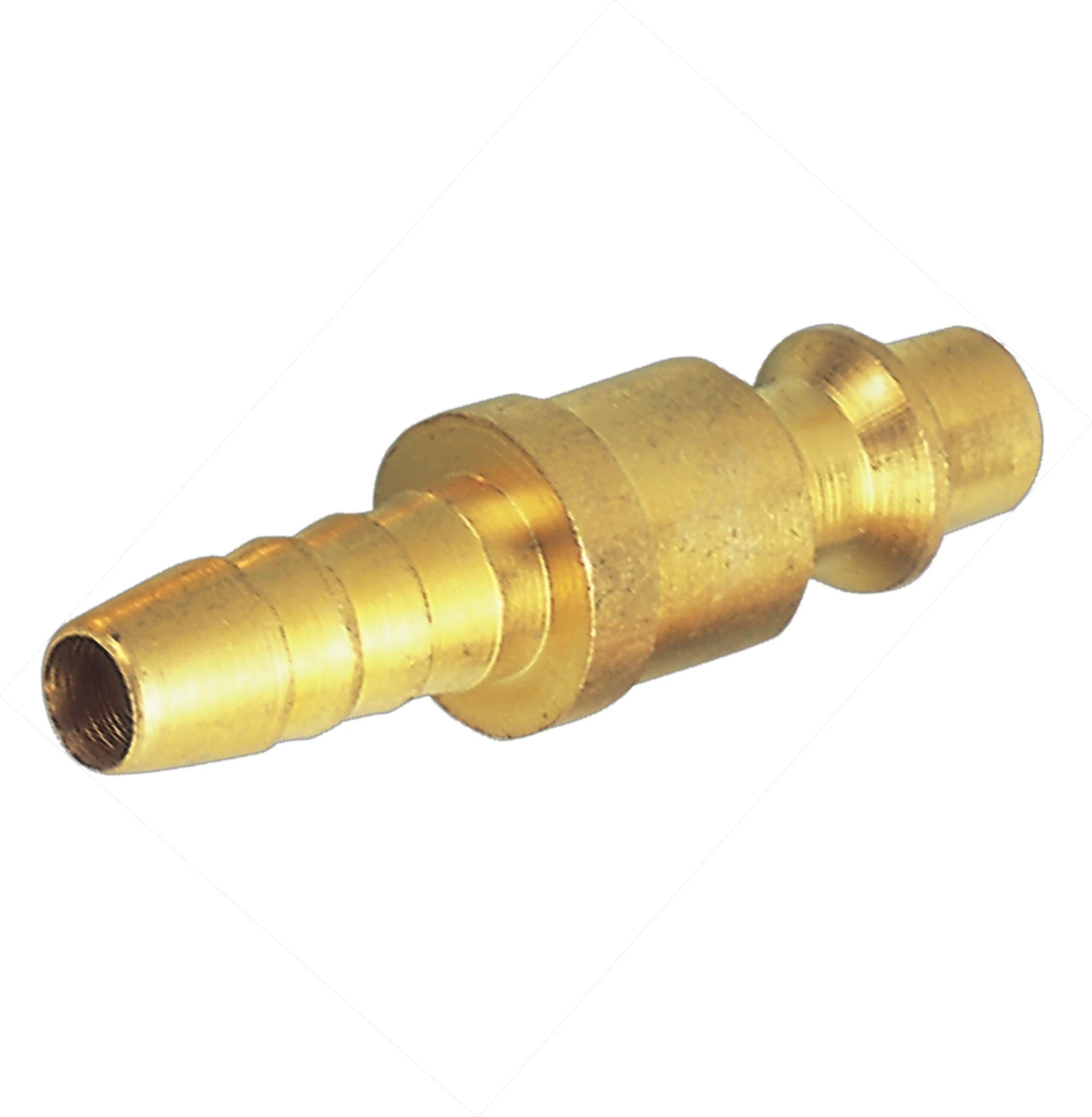
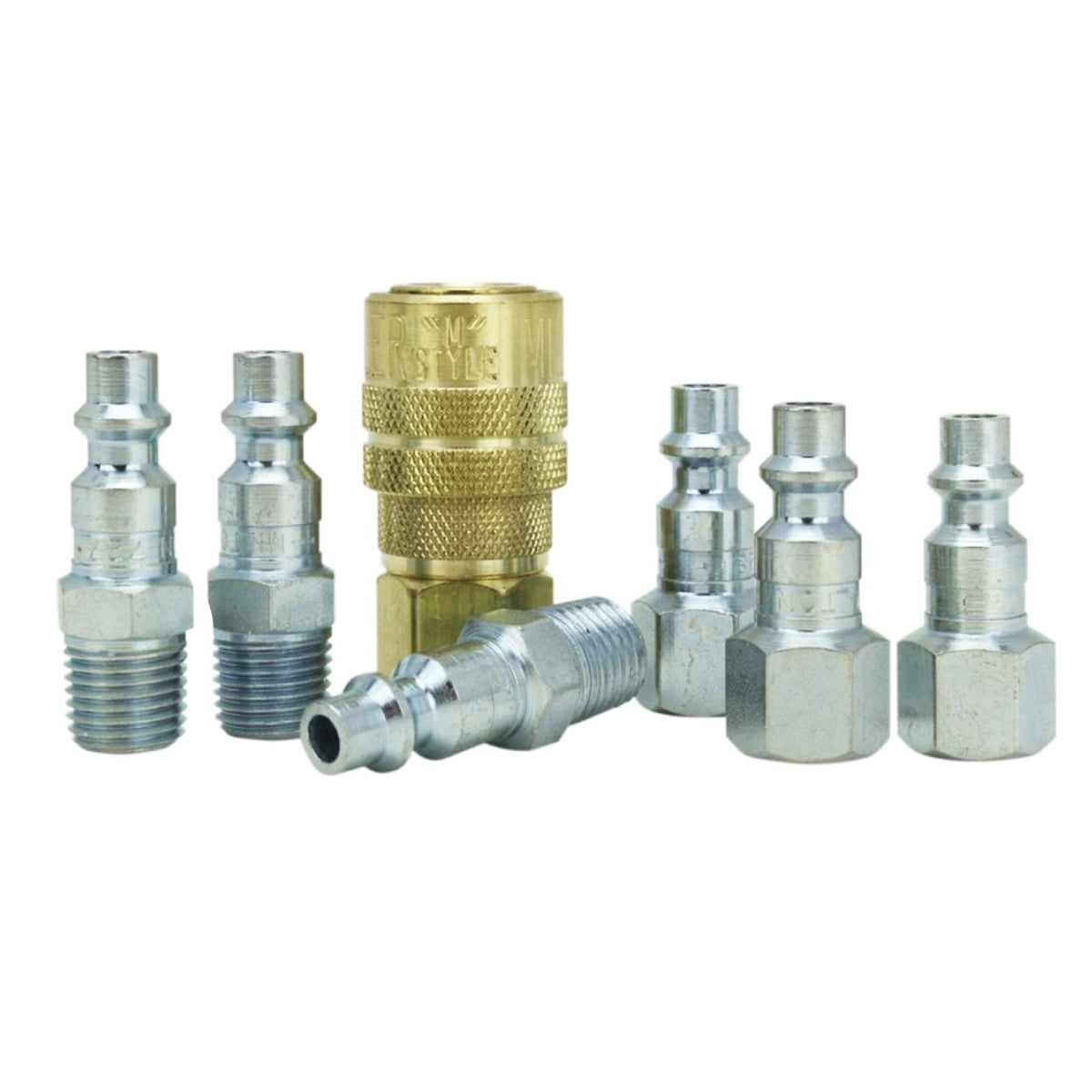
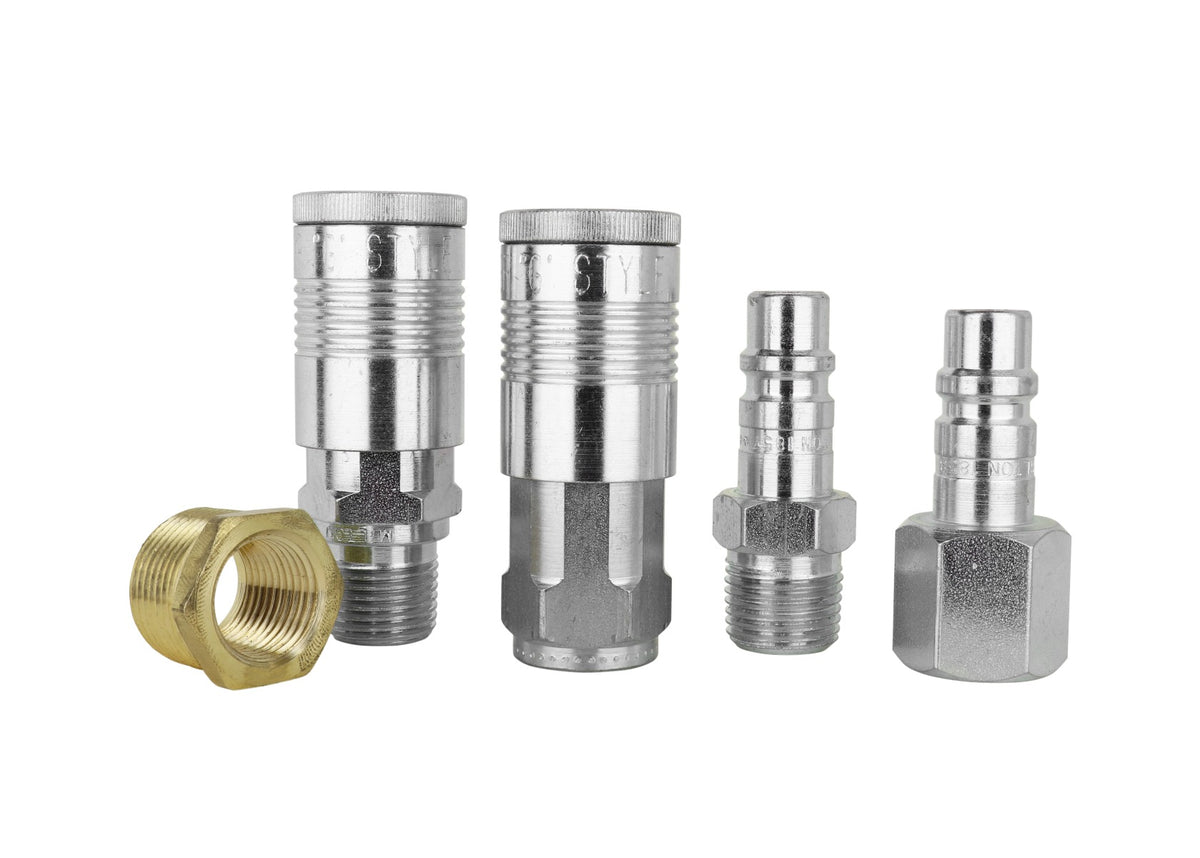
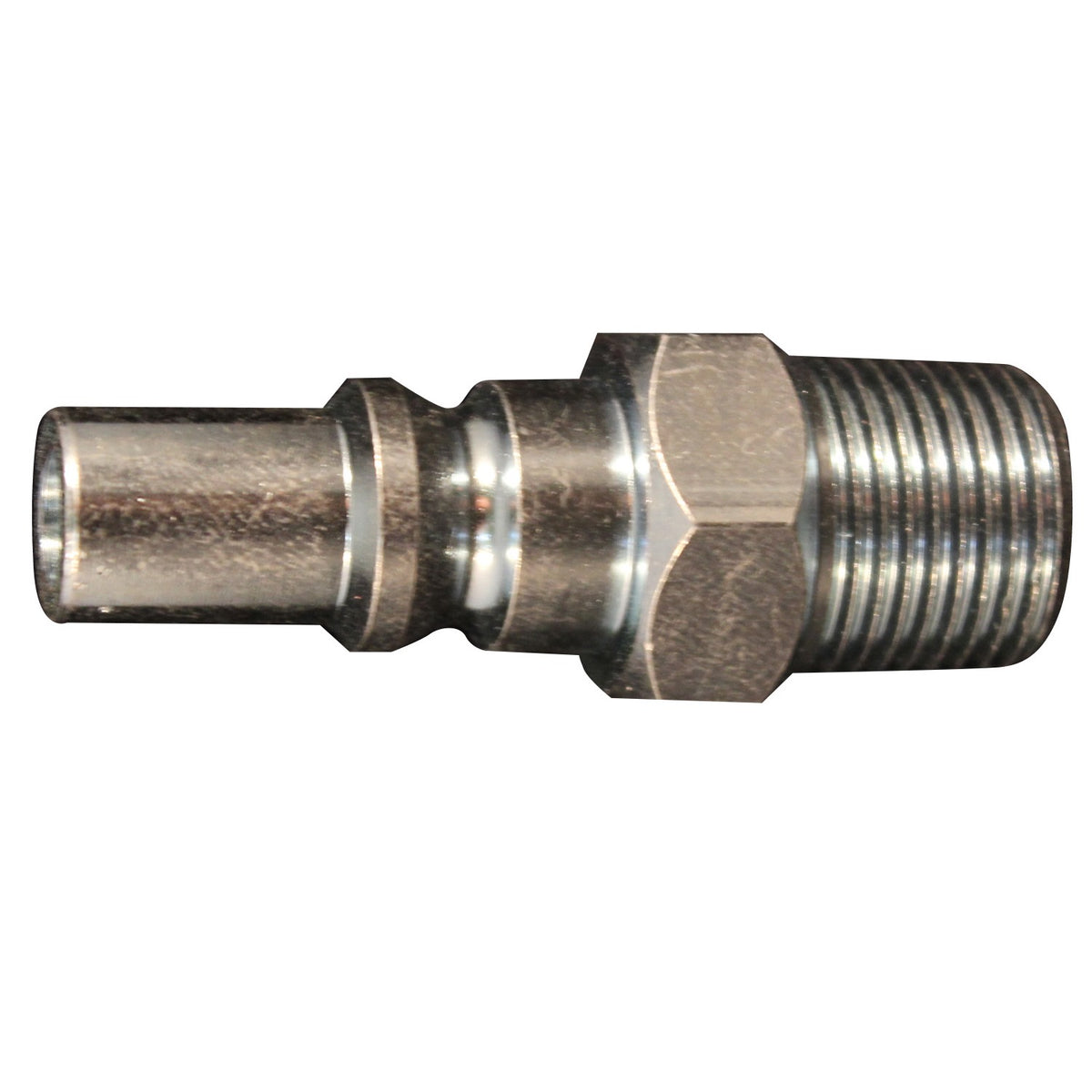
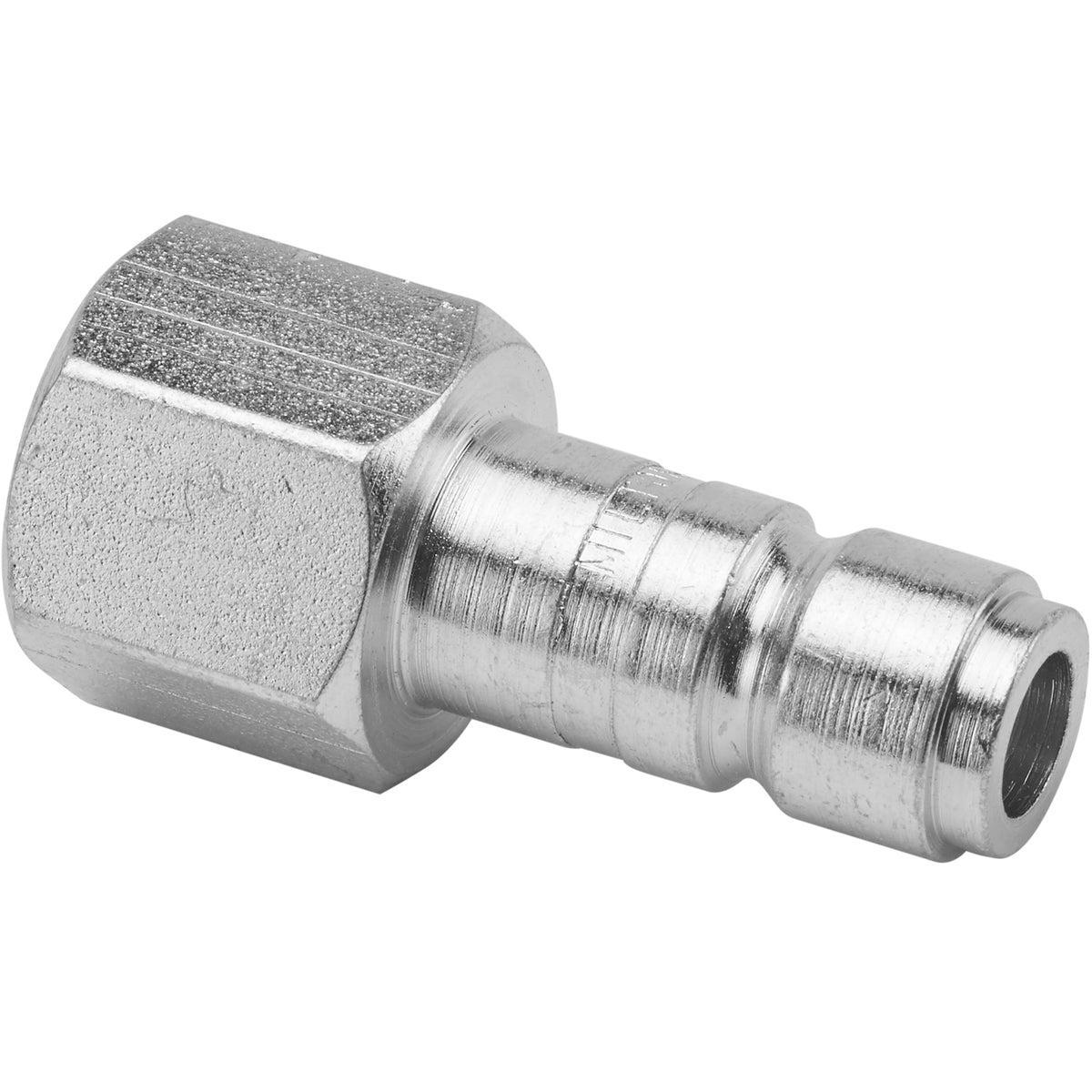
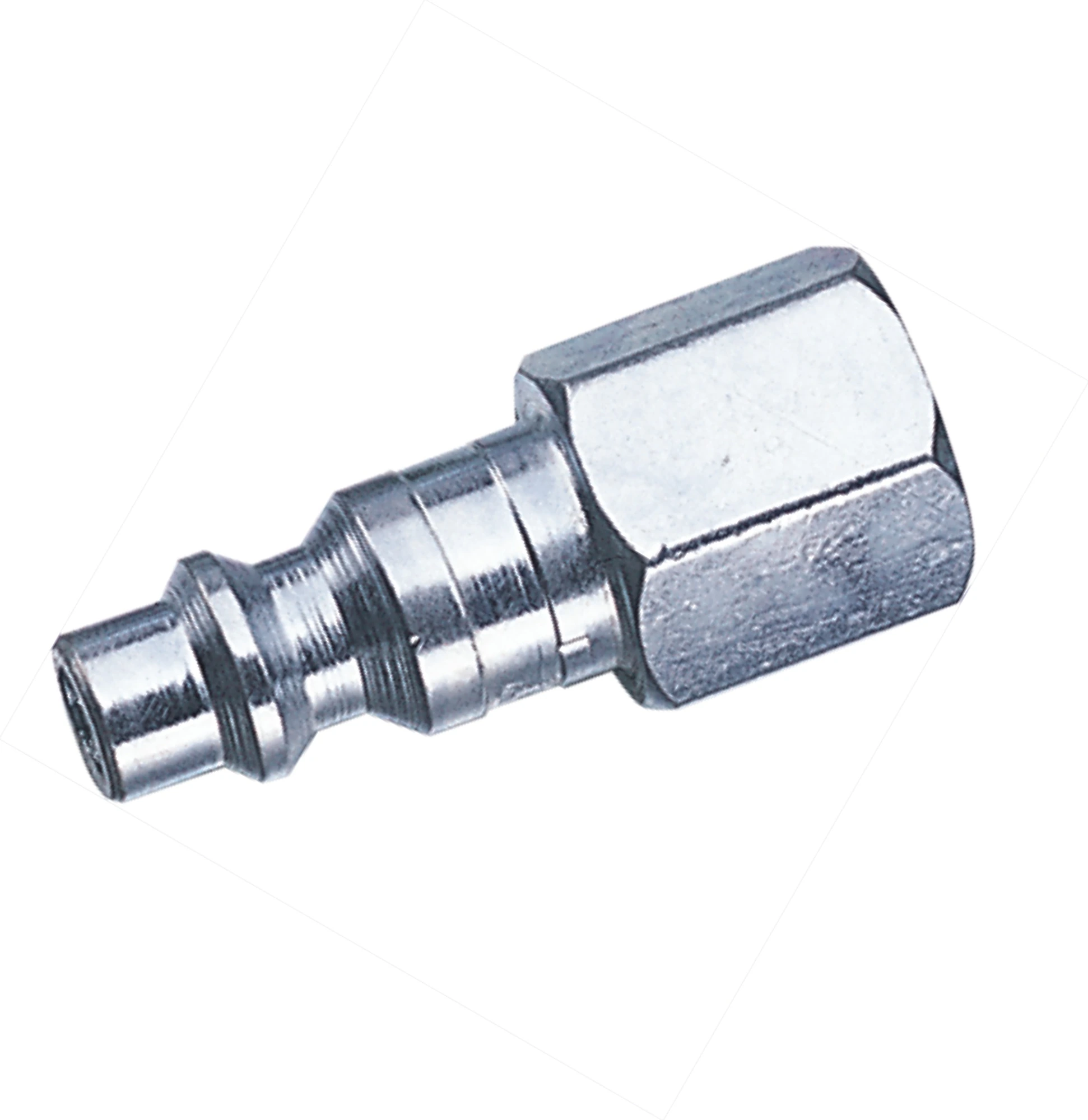
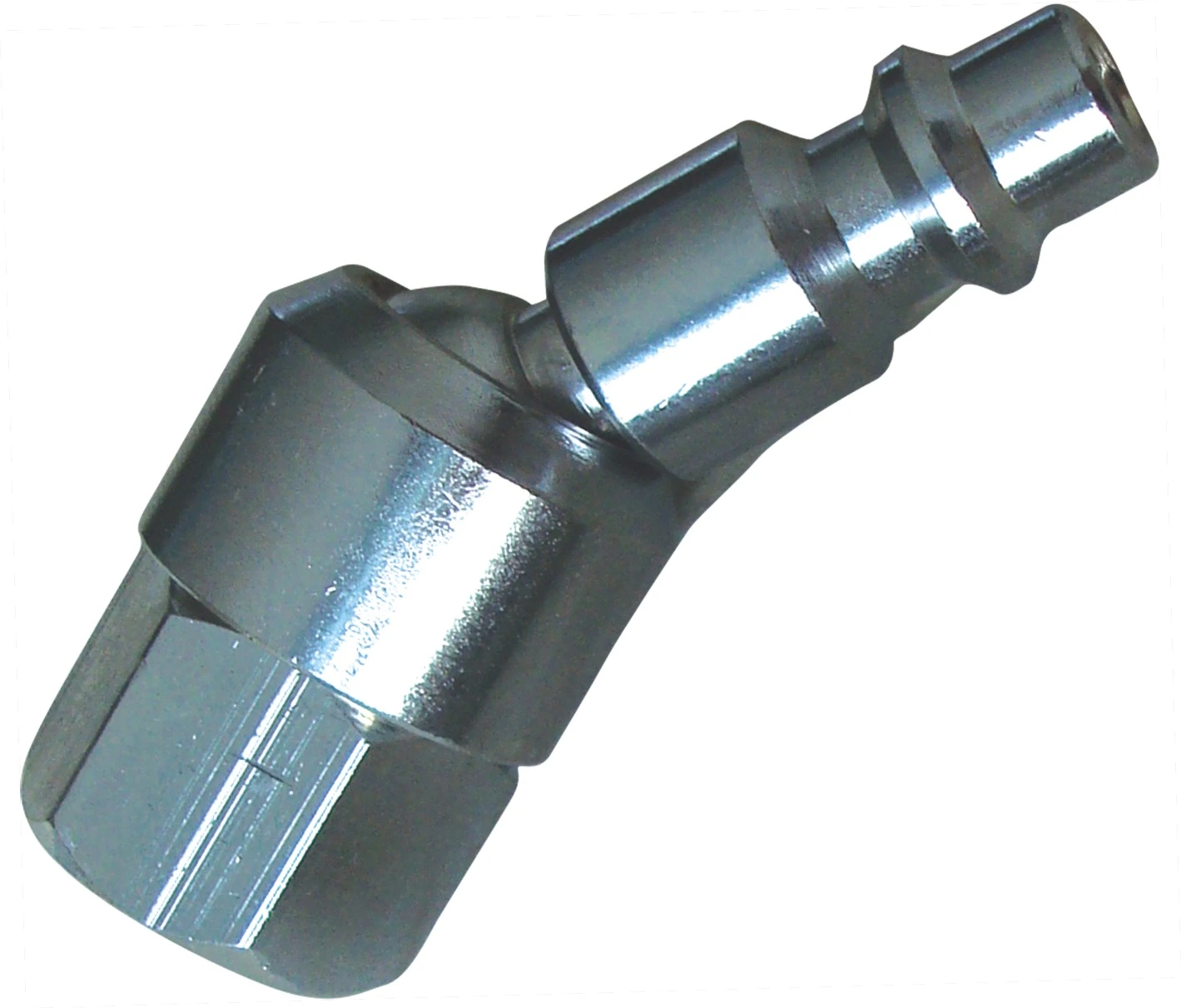
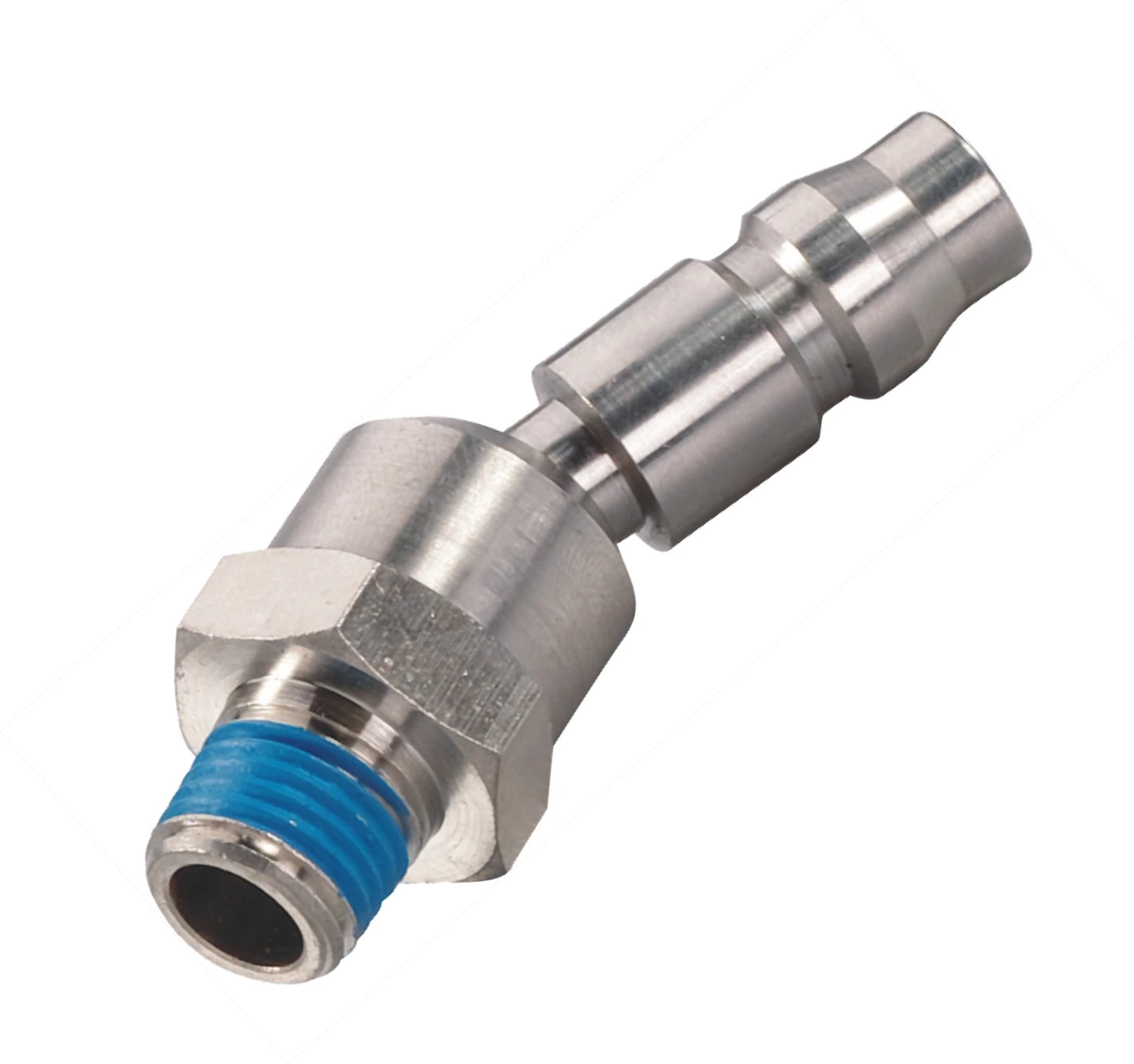
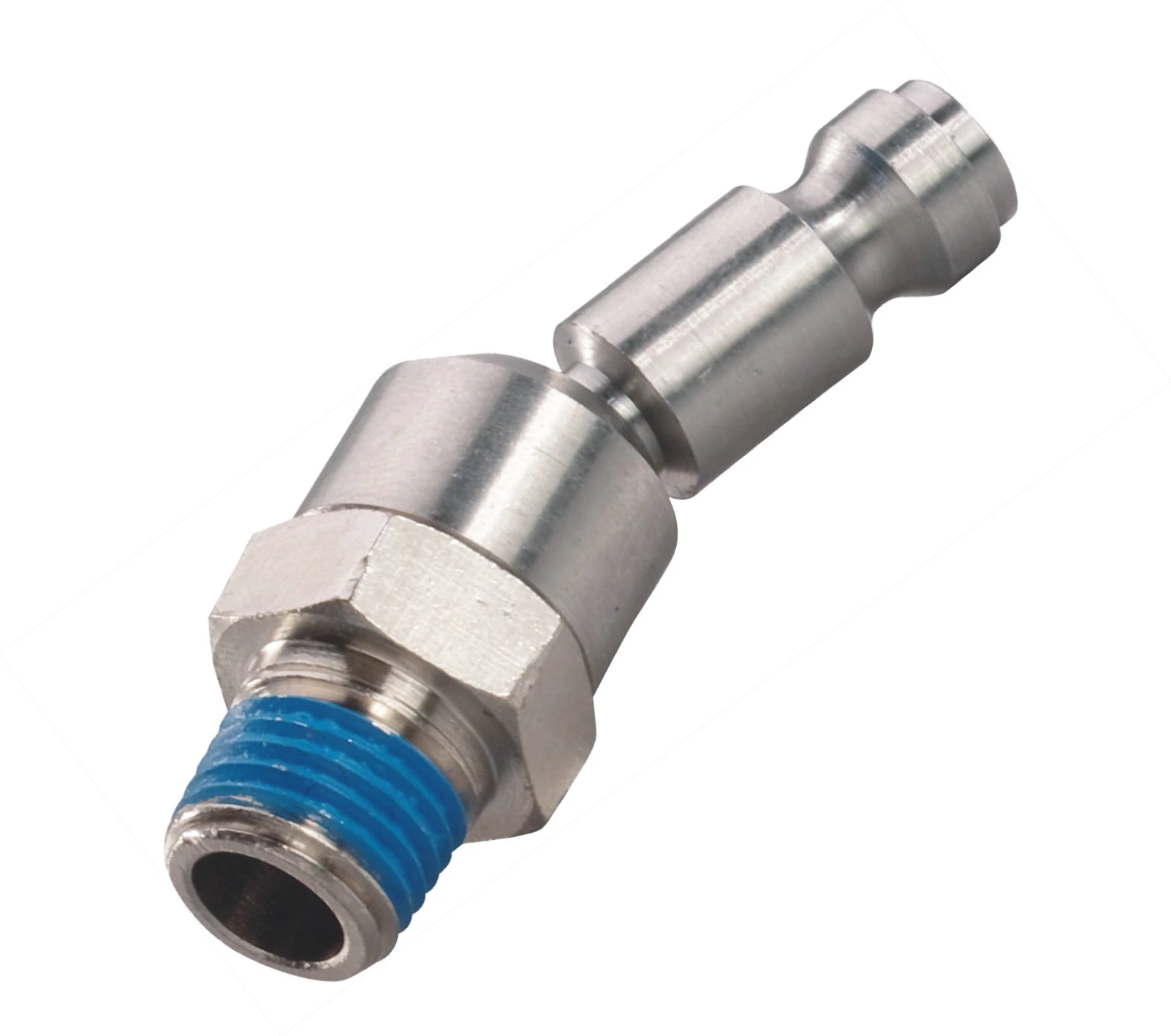
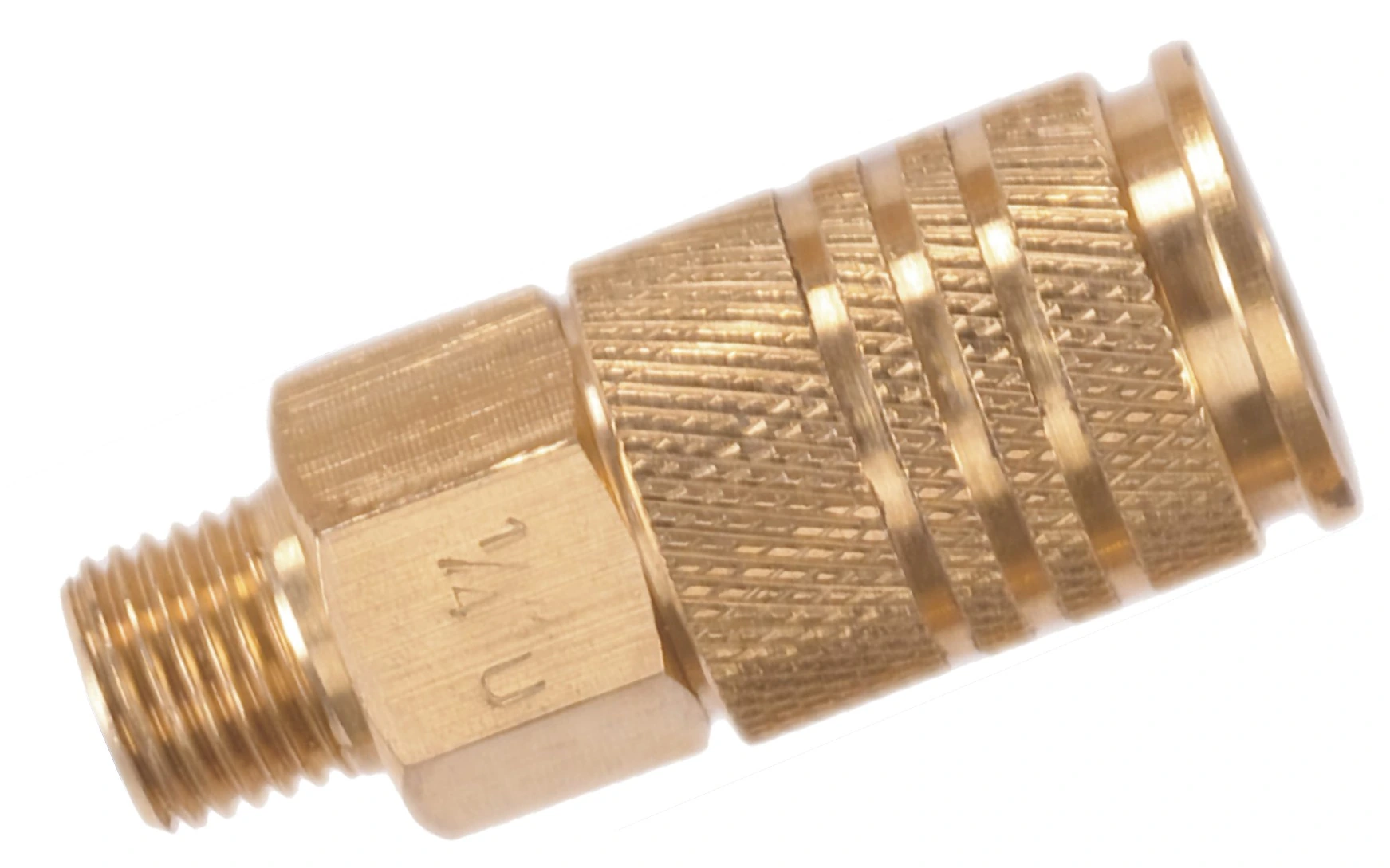
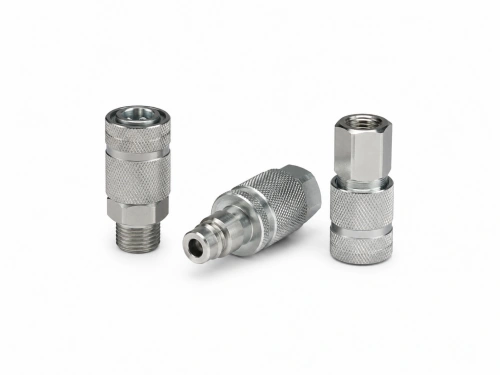
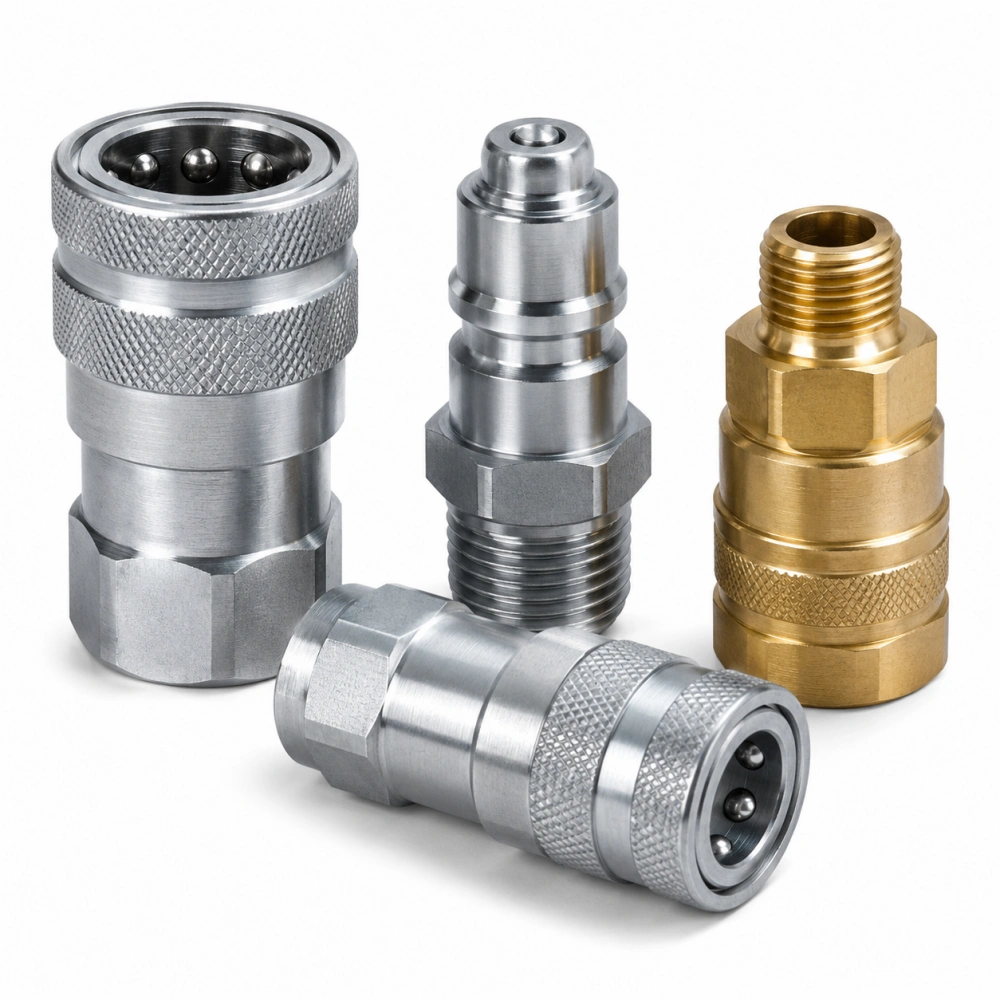
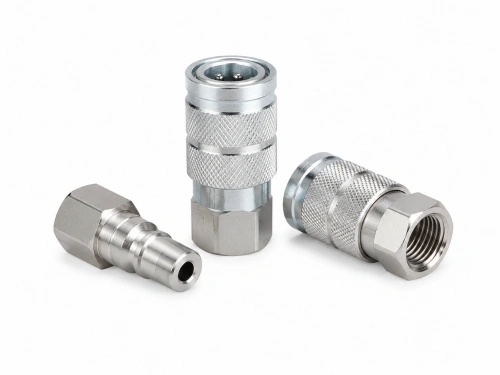
A useful air fitting type chart shows the outline of the mating plug and identifies its corresponding socket family. Compare the complete shape rather than matching one diameter. The nose reaches the sealing region; the retaining feature must align with the socket’s locking elements.
| Feature to record | Why it matters | Measurement note |
|---|---|---|
| Leading nose and tip diameter | Helps distinguish the part entering the socket | State the exact location measured and avoid damaged edges |
| Tip length and shoulder position | Helps compare insertion geometry | Use the same datum as the reference drawing |
| Retaining groove or locking feature | Identifies where the socket retains the plug | Record its position and shape; do not infer tolerance from wear |
| Sealing surface | Shows the surface that must work with the socket seal | Note scratches, scoring, corrosion or deformation |
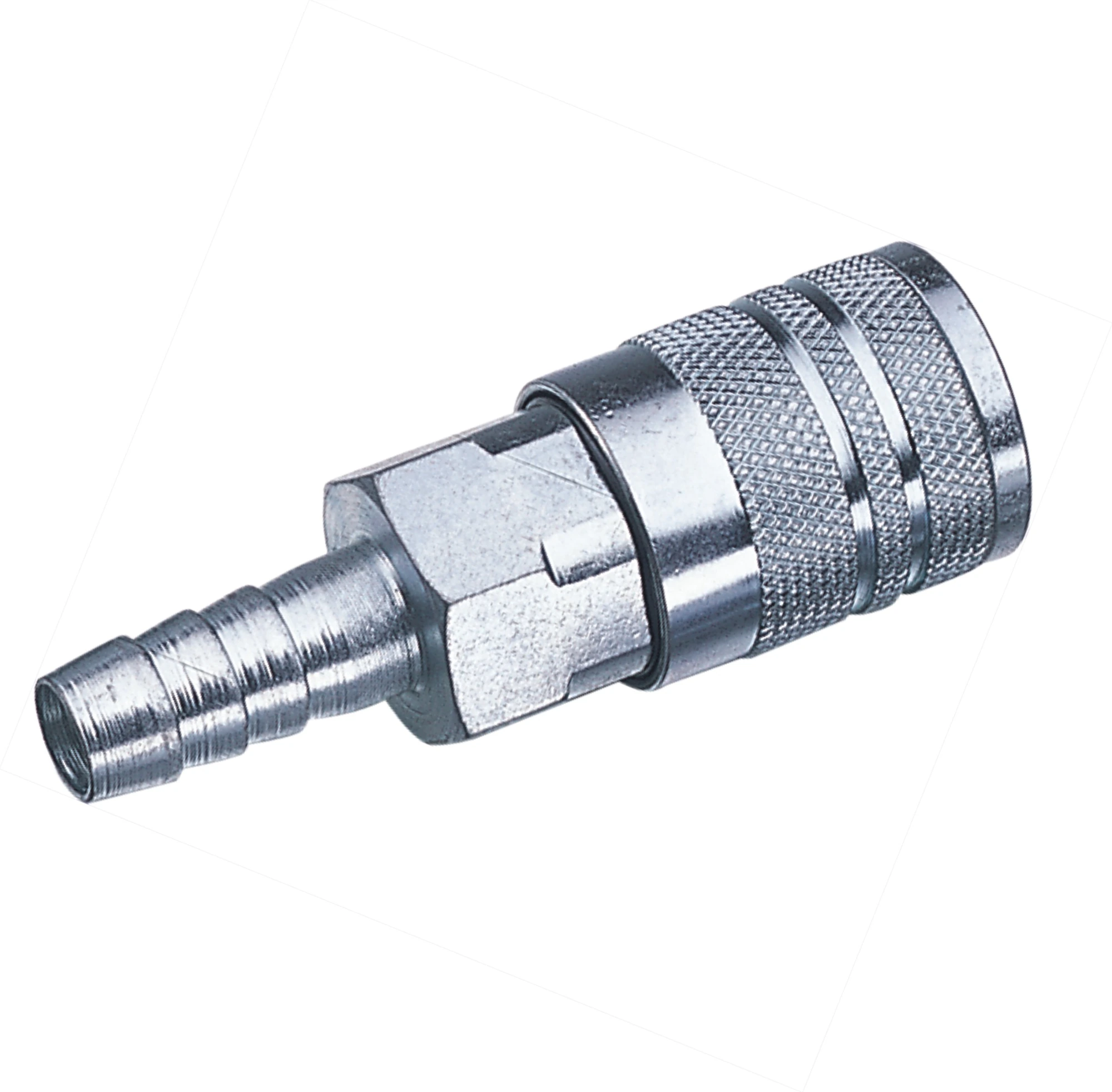
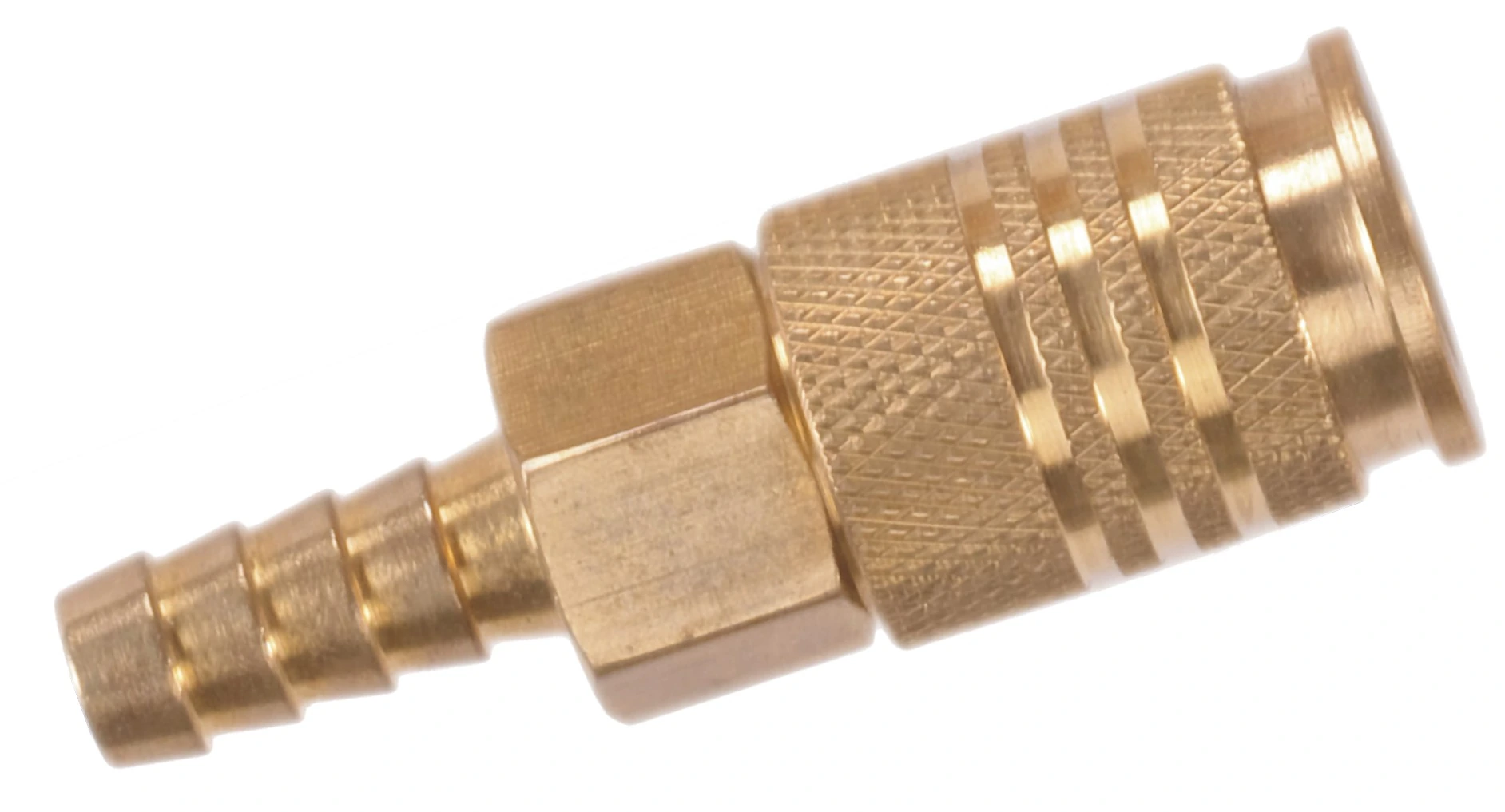
| Rear thread or hose connection | Identifies the separate mounting interface | Record its standard and dimensions independently |
Dixon’s selection guide directs the reader to establish the profile, then use series-specific diameter and tip-length dimensions to identify the body size. Parker’s interchange guide presents distinct profile families with their connecting couplers. [1][2] Neither approach makes thread size a substitute for profile identification.
Compare measurements with a controlled reference
Use the correct manufacturer’s drawing or profile chart at the stated body size. If a document includes an actual-size outline, check its print scale before placing a part over it. A resized screenshot, browser zoom or “fit to page” printout can change the outline.
Keep measured dimensions separate from the nominal body-size label. Record the unit and measuring tool. When a dimension is uncertain because the plug is worn or access is poor, mark it as uncertain rather than rounding it toward the nearest candidate.
For industrial and automotive candidates, compare the entire nose and locking arrangement using the industrial vs automotive fitting guide. If the rear connection is the confusing part, the air fitting size guide explains nominal threads, body classes and hose dimensions.
For an ARO candidate, continue with the ARO 210 and 310 identification guide.
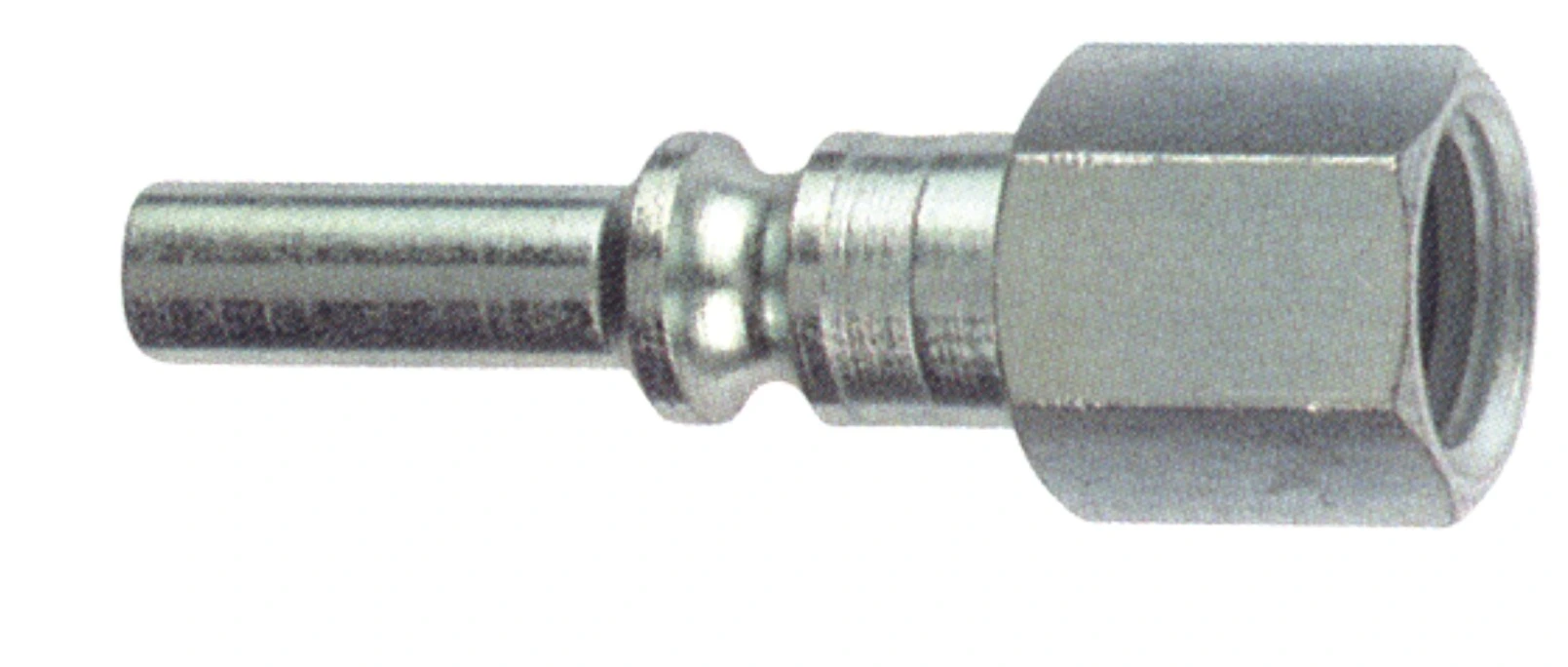
For a long-nose candidate, consult the Lincoln air coupler profile guide.
Use an identification record that a supplier can review
The following record turns a quick-release air fitting type chart into a structured identification process. It also shows what remains unknown when a purchasing decision is premature.
| Record field | Evidence to supply |
|---|---|
| Existing equipment | Application, tool or machine reference and location of the connection |
| Visible identification | Brand, series, part number and photographs of markings |
| Profile evidence | Side and end photographs plus dimensions tied to named measurement points |
| Rear connection | Thread specification or hose connection and its measured dimensions |
| Original mating socket | Part number, photographs, condition and manufacturer information |
| Required service | Medium, operating pressure, temperature and flow requirement |
| Identification outcome | Confirmed match, candidate requiring verification, or unresolved |
Only the first outcome supports purchasing against a confirmed interface. A candidate can justify further comparison or sample review, but it should not be relabeled as an approved equivalent simply because the quote is convenient.
Resolve uncertainty before an OEM or wholesale order
Send the evidence record to the pneumatic coupling manufacturer with the intended mating part. Request confirmation of the exact profile, body size and operating limits. If only a sample exists, agree how the accepted replacement will be documented for future orders.
Physical engagement is only one part of verification. A combination must also seal, retain, actuate and perform as required. Dixon warns that some non-interchangeable parts can connect, which is why an apparent click cannot replace compatibility confirmation. [1] Functional or pressure testing belongs under an approved procedure after the parts have been identified.
For an unresolved legacy installation, consider the scope of changing both halves. Review the thread or hose ends, performance requirements and any disconnection function before approving a matched replacement. Record the new pair so the next maintenance order starts from a known specification.
Browse AUTOWIN’s pneumatic quick connect fittings once the likely family is established. For OEM air couplers or a wholesale replacement program, supply the identification record with the expected quantity. The complete air fittings selection guide covers the remaining operating and purchasing checks.
Identification questions
Can I identify a plug from its color
Color is useful within a documented product or workshop system. It is not a universal standard across all manufacturers, and wear or replacement sleeves can make it unreliable.
Does a universal socket prove which plug I have
No. It may accept several listed profiles. Its ability to accept a plug does not, on its own, identify that profile or approve an unlisted combination.
Should an unmarked worn plug be copied dimension for dimension
No. Wear can remove the original geometry. Use a verified drawing or suitable reference part to establish the intended dimensions and acceptance criteria.
Technical references
- Dixon Quick Coupling Catalog 2026. Profile identification, body-size dimensions and interchange caution. PDF pages 2, 15, 24.
- Parker Pneumatic Interchange Guide. Manufacturer profile illustrations and connecting couplers. PDF pages 1–2.