 English
Air Hose Ferrule Sizing From Hose OD to Crimp Tooling – PDF, 4 pages
An air hose ferrule must be matched to the hose outside diameter and to the specified hose, barb and crimping system. The hose’s nominal inside diameter does not identify the ferrule by itself. A useful selection record also includes ferrule length, construction, tooling and the manufacturer’s acceptance criteria for the completed assembly.
This matters when a maintenance shop changes hose suppliers or an OEM sources a second ferrule supplier. Two components can share a nominal description and still produce different assemblies. The purchasing drawing needs enough detail to control that difference.
Understand the dimensions before reading a chart
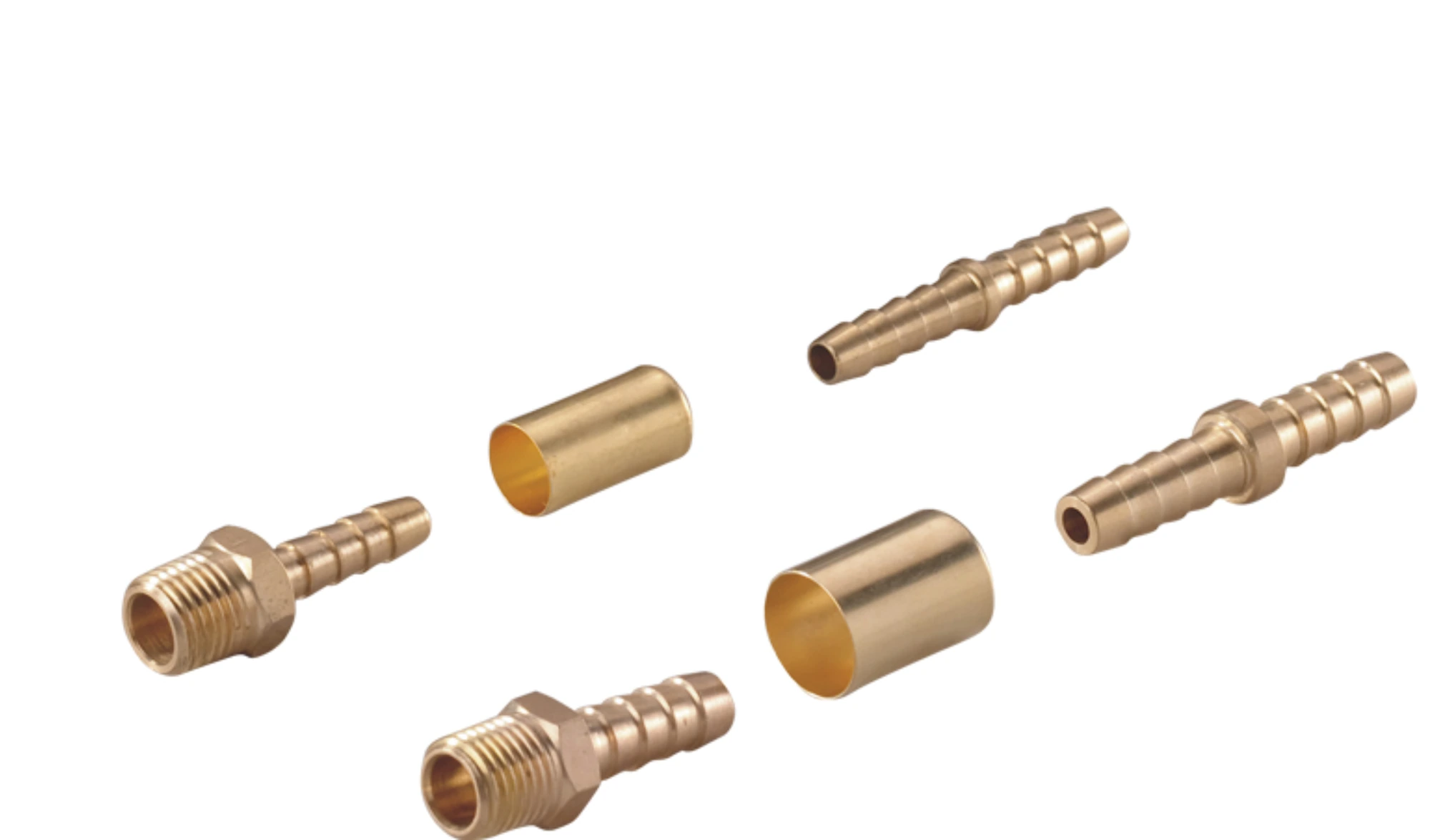
The hose has an inside diameter and an outside diameter. The ferrule has its own inside diameter, outside diameter, wall thickness and length. The crimping die has a working geometry. These measurements describe different parts of the connection, and the same number appearing in two columns does not establish that they are interchangeable.
Coilhose’s catalog tells buyers to match ferrule ID to hose OD, then lists ferrule sizes separately from crimper dies. Its reusable fitting tables also show that one hose ID can occur with several hose ODs. The first selection step is therefore to identify the actual hose construction and outside diameter.
A ferrule that slides onto an unassembled hose is only a candidate. Fit before crimping does not establish the required compression after the barb is inserted. The complete assembly specification must define the acceptable combination.
What an air hose ferrule size chart should contain
An air hose ferrule size chart is useful when its dimensions and applicable assembly system are clear. Use the following as a purchasing worksheet, then obtain the actual values from the component and tooling manufacturers. It is not a universal die-selection chart.
| Chart field | What the buyer needs to confirm |
|---|---|
| Hose identification | Material, reinforcement, ID, OD and relevant tolerances |
| Ferrule specification | Part number, material, ID, length and wall dimensions |
| Barb specification | Part number and geometry approved for the hose |
| Crimping equipment | Machine, die set and applicable assembly procedure |
| Acceptance criteria | Required finished measurements, inspections and tests |
Check how the manufacturer defines every dimension. A listed ferrule ID is not automatically a finished crimp diameter. A die designation may identify a particular tool’s geometry rather than a dimension that transfers to another machine.
If a supplier provides only a hose ID and a ferrule part number, ask which hose construction was used to establish that pairing. The missing information becomes especially important when buying hose and ferrules from separate sources.
Keep die selection specific to the crimper
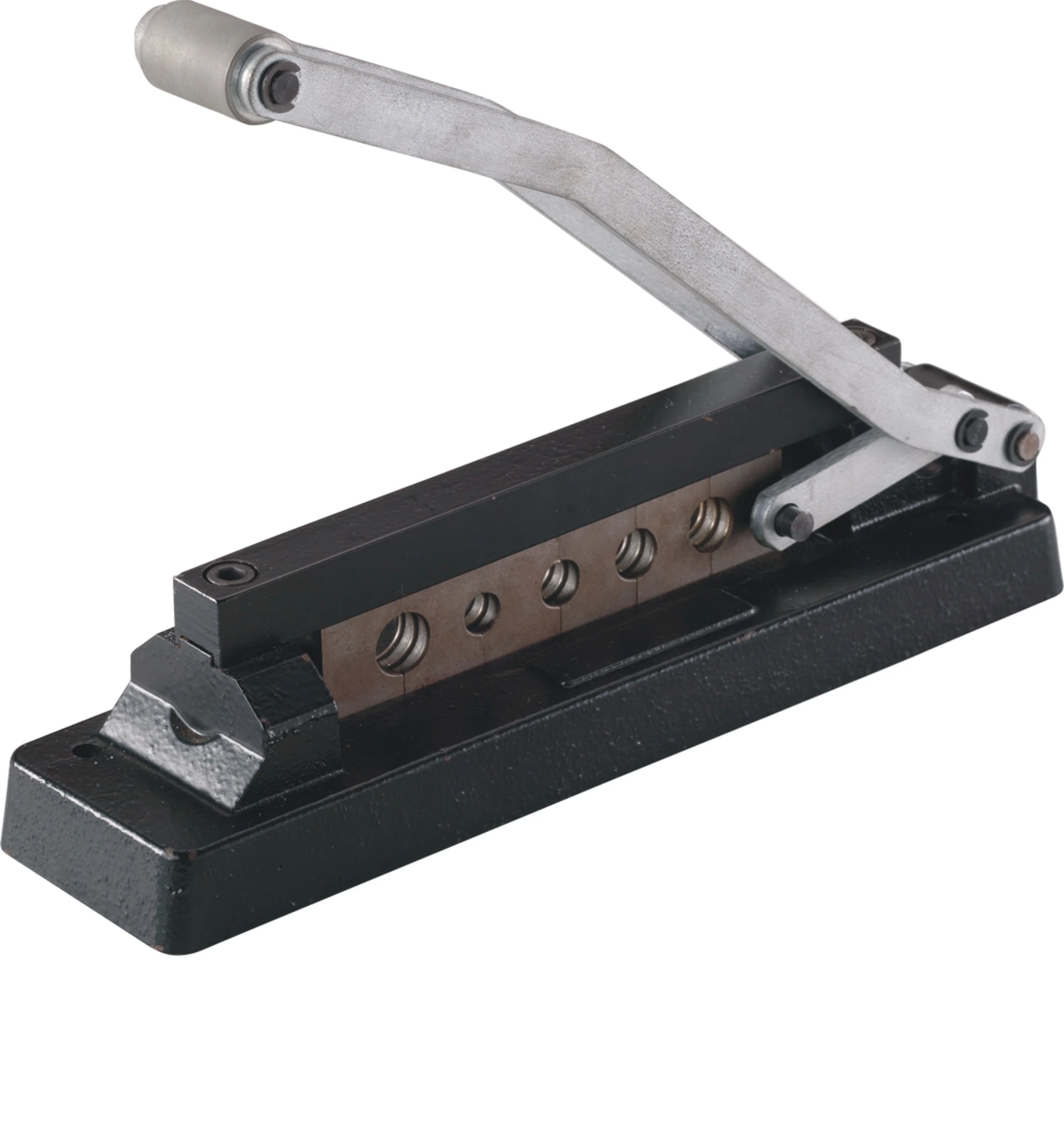
Dixon’s instructions for the 855 and 860 crimpers identify the dies and operating procedure for those machines. Coilhose’s catalog describes different crimpers and die arrangements. The documents support a straightforward purchasing rule: select hose crimp ferrules and tooling as a defined system.
Do not transfer a die number, handle position or operating sequence between machines without approval. Even where two tools accept the same nominal hose size, their working geometry and instructions may differ. A generic online chart cannot supply the missing manufacturer’s assembly criteria.
For production work, keep the approved drawing and current work instruction at the crimping station. Record the tooling used on the first approved sample. If the hose, barb, ferrule or die changes, identify which acceptance checks must be repeated before releasing the changed assembly.
Distinguish visual inspection from assembly qualification
A visual check can identify an obviously misplaced sleeve, a cracked ferrule or exposed damage. It cannot demonstrate every property needed for a pressure-bearing connection. Likewise, a connection that holds during a brief leak check has not thereby established its retention strength or service life.
Ask the assembly supplier to define the required inspections and tests, their conditions and their acceptance limits. Use qualified personnel and suitable equipment for any pressure testing. The procedure should identify how an unsuccessful sample is handled and whether the cause affects the rest of the batch.
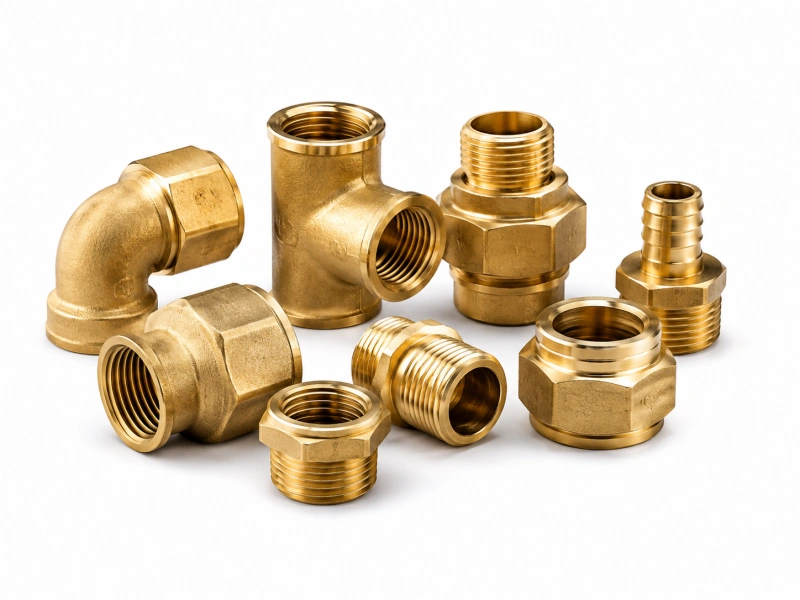
Brass hose ferrules should also be controlled by their material and dimensions. “Brass” alone is not a complete procurement specification, and a similar surface finish does not prove that two sleeves will behave identically during crimping.
Build a supplier comparison around the assembly
A wholesale quotation is easier to compare when every supplier receives the same drawing revision, hose description and expected annual demand. Ask each supplier to state the ferrule dimensions, material designation, packaging quantity and traceability information it can provide.
For an OEM hose assembly, request a sample made with the intended production hose and barb. Identify who is responsible for approving the complete assembly. A ferrule manufacturer may supply a component to drawing while a separate assembler controls the crimping process; these responsibilities should be explicit.
Our explanation of hose and fitting dimensions helps establish the measurement vocabulary. The data-sheet review guide provides a related approach to checking the conditions behind a stated rating.
Questions to resolve before ordering
Can one ferrule fit all hoses with the same nominal ID
No universal pairing follows from nominal ID alone. Different hose constructions can have different outside diameters and compression behavior. Obtain the approved hose and ferrule combination for the intended assembly.
Can a removed crimp ferrule be installed again
Do not treat a ferrule removed from a crimped assembly as a reusable retention component. Follow the manufacturer’s replacement instructions and use the specified new components for the new assembly.
For component sourcing, review AUTOWIN’s hose repair tool and ferrule listing, then submit the hose and ferrule drawings for review. Include the intended crimper and acceptance requirements so the inquiry covers more than nominal size.
Technical references
- Coilhose Pneumatics Product Catalog, pages 28–29, hose dimensions, ferrules and crimper die systems.
- Dixon 855 and 860 Brass Ferrule Crimpers Instruction Manual, pages 1–2. Tool-specific instructions must remain attached to the applicable equipment.