 English
DFM & Precision Tooling
Feasibility, shrinkage, draft, parting lines, gating, cavity layout and tool maintenance reviewed early.
AUTOWIN integrates DFM, precision tooling, controlled casting, secondary operations and finishing to deliver detailed, dimensionally consistent zinc components for global OEM programs.
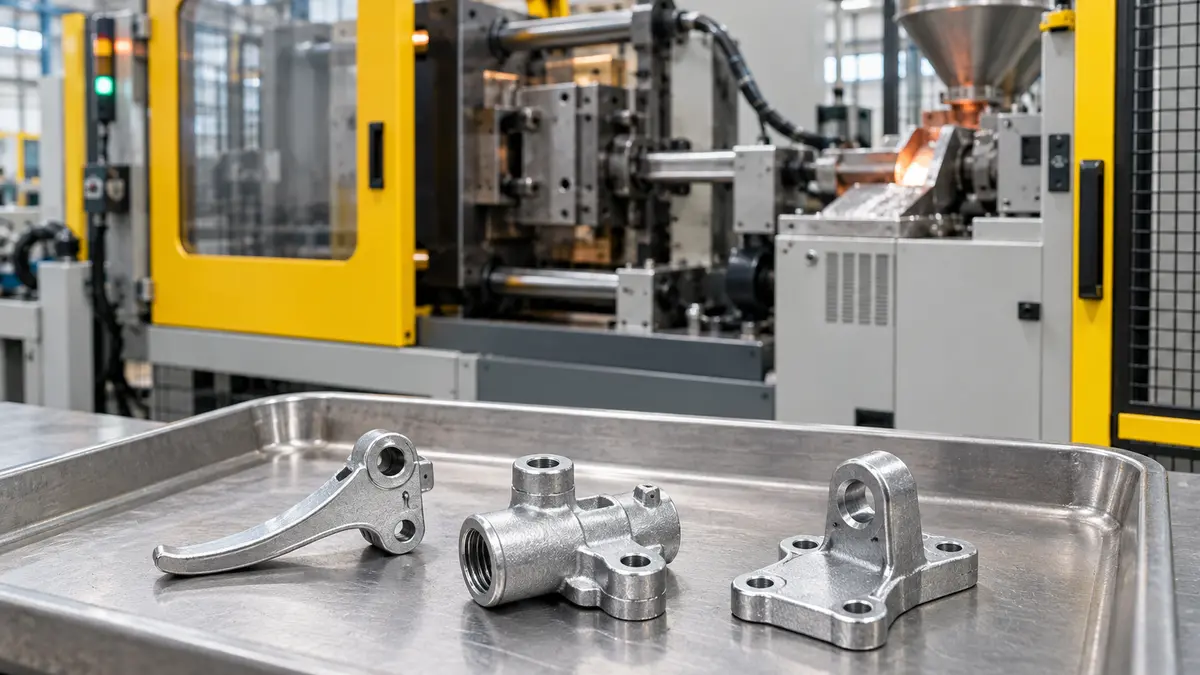
Zinc alloy die casting is well suited to compact parts with thin walls, intricate features and demanding appearance requirements. Reliable production starts by coordinating flow, venting, ejection, parting lines, critical datums and finishing expectations before tool build.
Tooling, casting, trimming, machining, plating and assembly are managed around the approved drawing, reducing handoffs while protecting critical dimensions and appearance standards.
Feasibility, shrinkage, draft, parting lines, gating, cavity layout and tool maintenance reviewed early.
Stable production for detailed housings, connectors, levers, hardware and complex custom components.
Insert casting, drilling, tapping, reaming and machining applied where the finished design requires it.
Deburring, polishing, plating, coating, component assembly and export packaging coordinated in one route.
Engineering, tooling, casting, finishing and inspection are connected by defined approval points so complex zinc parts can be repeated consistently from batch to batch.
Confirm function, alloy, geometry, cosmetic zones, tolerances, finish, volume and quality expectations.
Develop cavity strategy, gating, thermal balance, venting, ejection and tool-maintenance controls.
Build the die, run trials and review dimensions, filling, appearance and finishing performance.
Manage machine parameters, cycle conditions and part handling within the approved production route.
Remove gates and flash, then complete specified drilling, tapping, machining and preparation.
Complete plating or coating, assembly, final verification and export-ready packaging.
The alloy and surface route are selected around mechanical requirements, detail reproduction, corrosion exposure, cosmetic expectations and total production cost.
A commonly requested zinc die-casting alloy for dimensional stability and finishing flexibility.
Considered where higher hardness and strength are required; suitability confirmed by project.
Alternative or buyer-specified zinc alloy requirements evaluated for the application.
Decorative and protective plating routes coordinated for approved appearance standards.
Color, texture and protective coating options selected to suit product requirements.
Surface preparation and finishing standards aligned with visible and functional zones.
Send your CAD files, target alloy, expected volume, finish sample and critical characteristics. Our team will evaluate casting feasibility, tooling, secondary operations and the quality route before quotation.
Zinc die casting supports compact, complex parts where detail, strength, dimensional repeatability, finish quality and reliable assembly matter.
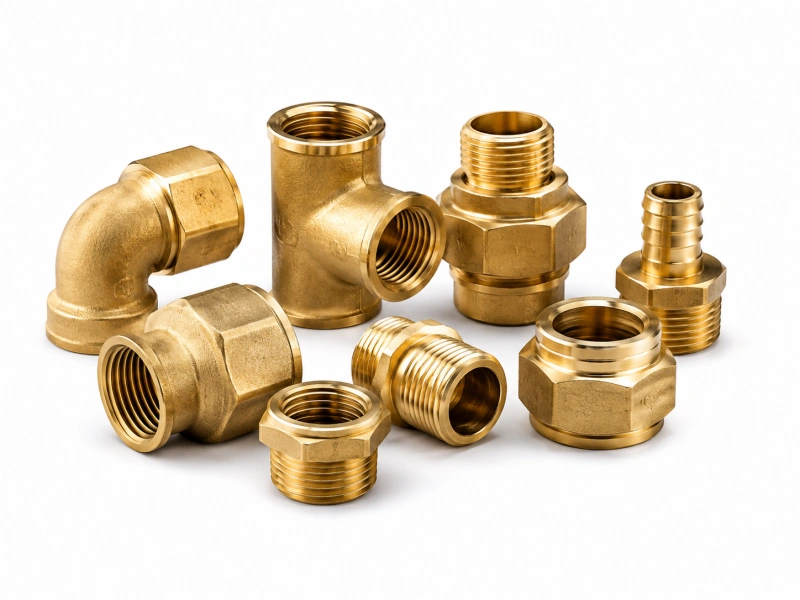
Quality planning connects incoming alloy, casting condition, critical dimensions, cosmetic surfaces, plating or coating and final assembly requirements throughout the production route.
Practical answers covering tooling, tolerances, order volume, finishes, sampling and production planning.
Please provide 2D drawings and 3D files where available, the target alloy, annual quantity, critical tolerances, finish requirements, cosmetic zones and any assembly or testing expectations.
Yes. The recommended route depends on geometry and quantity. We can review prototype options, tool sampling and first-article validation before the production program is released.
Tolerance capability depends on part size, geometry, draft, datum structure, tooling condition and secondary machining. Critical dimensions are reviewed during DFM and confirmed against the approved drawing.
Common routes include polishing, nickel plating, chrome plating, painting and powder coating. Finish selection is reviewed against corrosion exposure, cosmetic expectations, mating areas and target cost.
Cosmetic zones are identified before tooling. Casting appearance, trimming, polishing and plating or coating are checked at planned stages, with approval samples used when required.
Lead time and expected tool life depend on part complexity, cavity count, die steel, slide and insert requirements, finish standard, annual demand and maintenance plan. These points are confirmed during project review.
Share your drawing, alloy, annual volume, critical dimensions and finish requirements. AUTOWIN will review the complete route from tooling through finished, production-ready delivery.