 English
Choosing a Swivel Air Fitting for the Way Your Tool Moves – PDF, 4 pages
Select a swivel air fitting by the movement it must accommodate. Rotating a connector to position a hose, allowing an operator to change a tool’s angle and transferring air through a continuously rotating machine are different duties. The word “swivel” alone does not establish which duty a fitting supports.
For an assembly workstation, begin by observing the hose while the operator reaches the actual work positions. Identify whether the difficulty comes from twisting, a tight bend, an awkward hose approach or the weight of the connected hardware. That observation gives the fitting supplier a specific problem to evaluate.
Define the movement at the tool
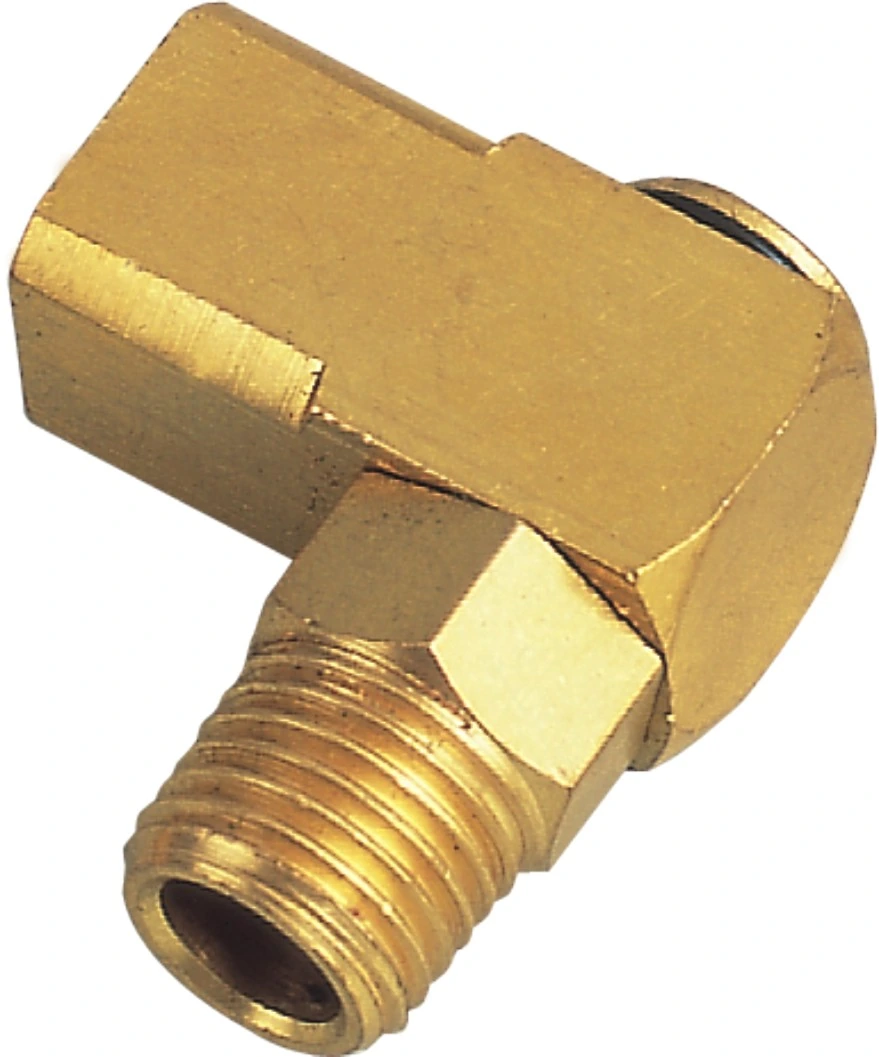
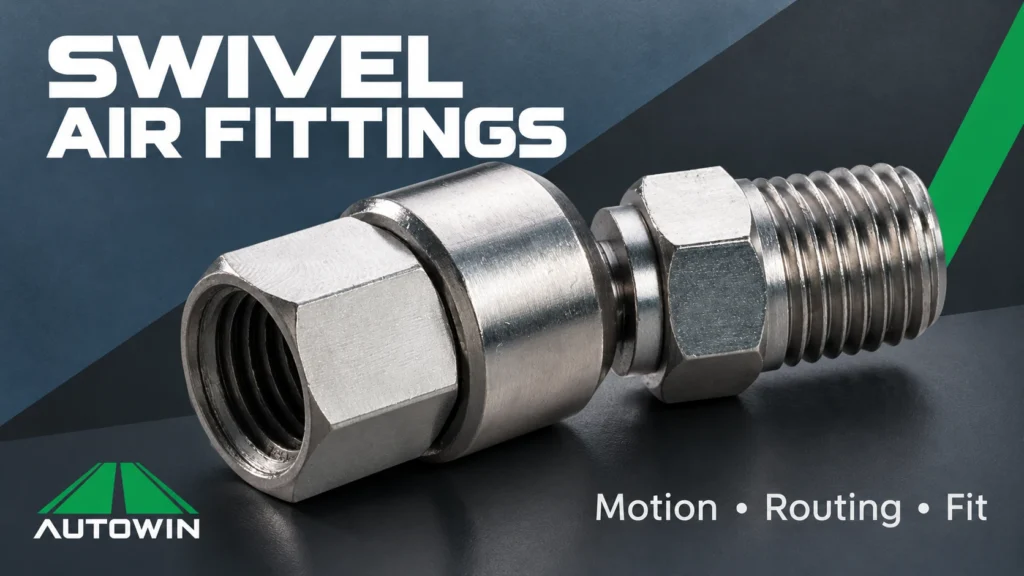
A straight swivel can permit movement around its intended axis. A ball-style design can accommodate changes in approach angle within its specified range. Other designs combine several movement points. Confirm the actual geometry and movement limits of the selected model rather than inferring them from a product name.
Coilhose’s catalog presents ball swivels, orbital swivels and swivel conversion fittings as separate product groups. It describes ball swivels for the connection between an air tool and the supply hose. The distinction is useful: several products may address hose movement, but they do not necessarily provide the same movement or use the same installation arrangement.
An air tool swivel fitting should be assessed in the position where it will be installed. A connector that moves freely on the bench may reach its travel limit when the tool is close to a fixture or when the hose is routed from overhead.
Turn the workstation observation into a selection brief
Record the tool inlet orientation, the hose approach and the normal range of hand movement. Photograph the closest working position as well as the furthest reach. Include the assembled length and mass of adapters already fitted to the tool.
| Workstation observation | Question for the supplier |
|---|---|
| The hose twists as the operator changes position | Which movement is allowed under the actual pressure and duty cycle? |
| The hose bends sharply near the tool inlet | Would an angled connection or revised routing better fit the available space? |
| The connector contacts a fixture | What are the assembled envelope and movement limits? |
| The machine rotates continuously | Which product is explicitly rated for that rotary duty? |
A swivel air hose connector can address a local movement problem, but it does not establish the hose’s minimum bend radius or remove the need for suitable support. Review the complete path of the hose before deciding that another articulated connection is necessary.
Keep movement capability separate from thread compatibility
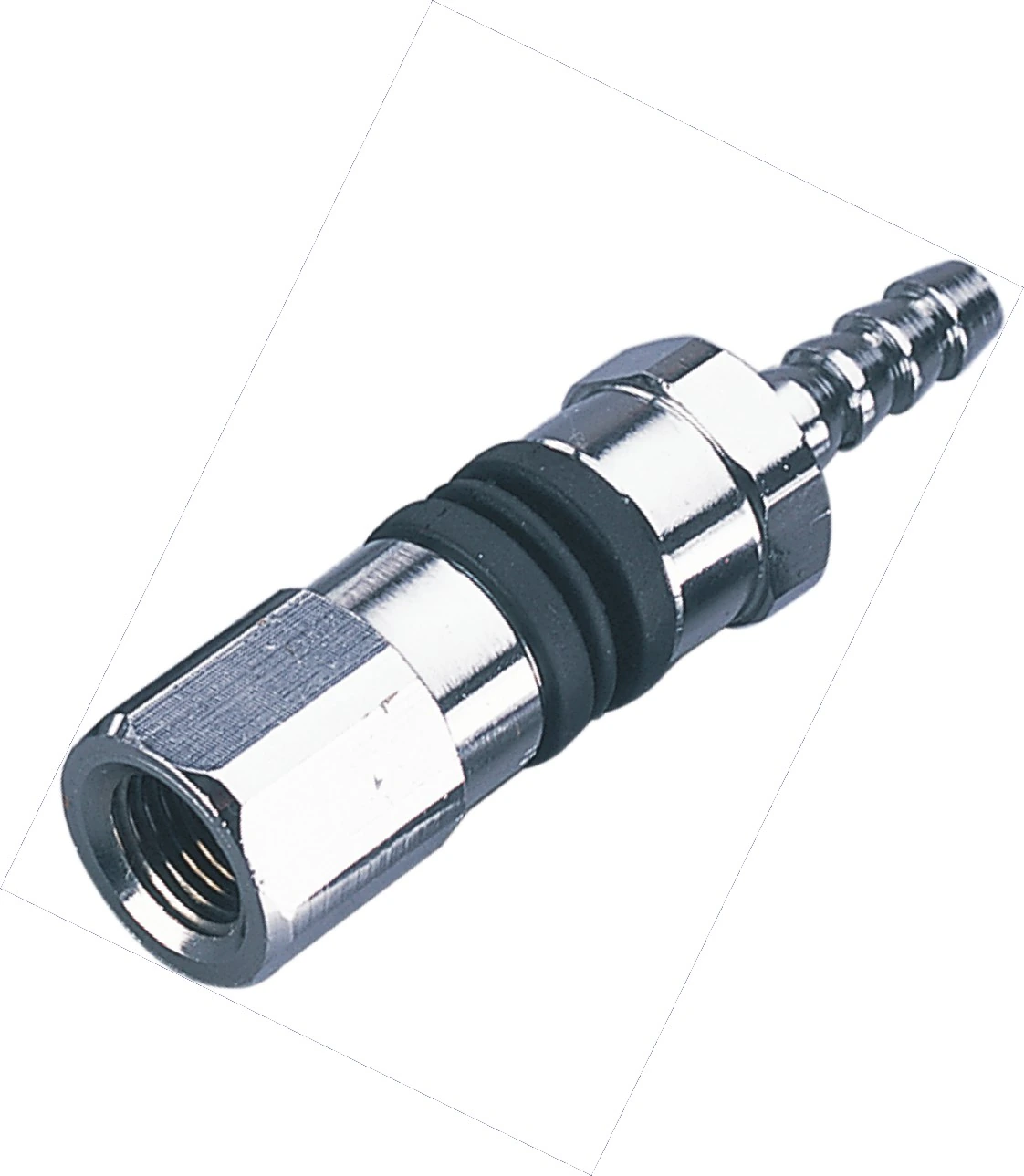
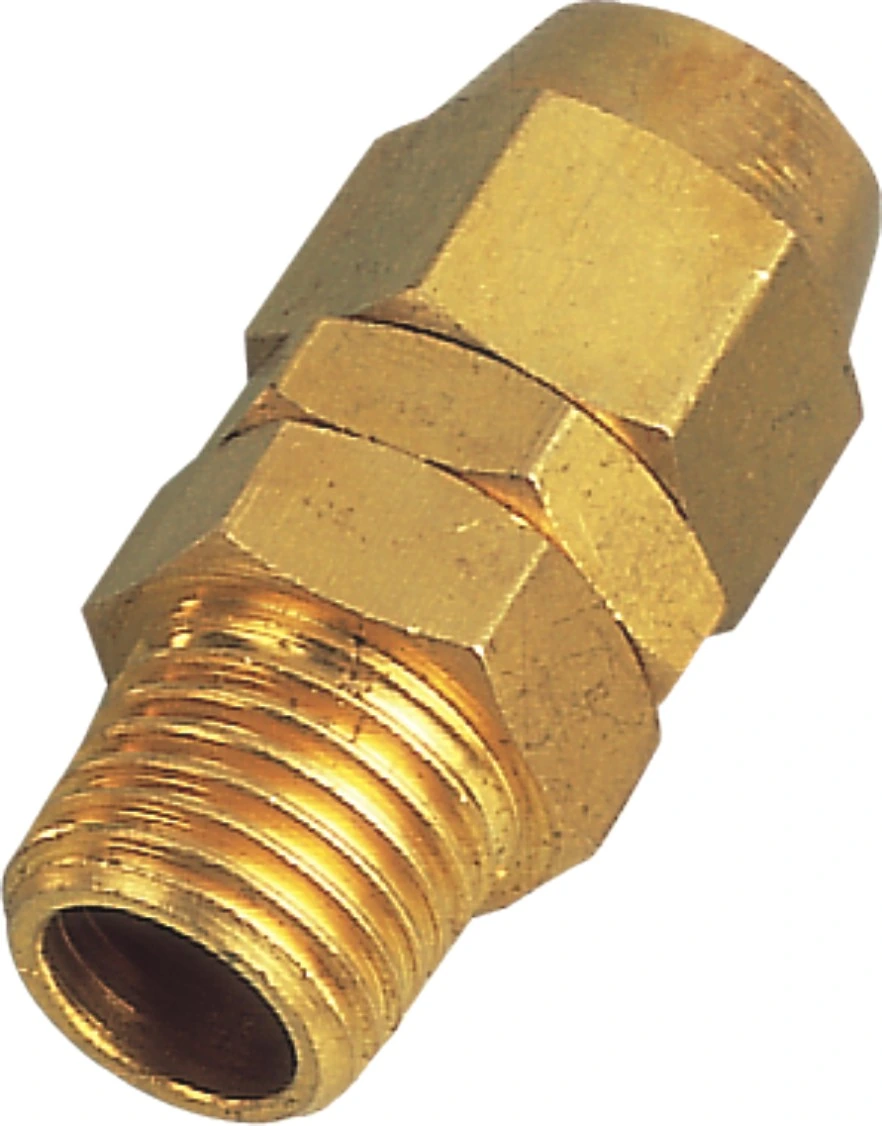
The air hose swivel connector still has ordinary connection requirements at each end. Record male or female ends, the thread standard and the size. For a hose-barb version, also identify the compatible hose and retention system.
Use our connection-size guide when separating hose dimensions from thread descriptions. The same nominal size can appear at several interfaces without describing the same diameter or sealing method.
Also check whether the swivel is a separate adapter or part of a quick-disconnect assembly. That distinction determines which components remain on the tool when the line is disconnected. Our guide to pneumatic connection types provides an overview of those different functions.
Ask about motion under pressure
A published angular range describes geometry. It does not, by itself, establish the allowed speed, frequency of movement or service life while pressurized. A continuously rotating spindle requires an explicitly suitable rotary product and operating specification.
Ask whether the chosen swivel is intended for installation positioning, intermittent movement during use or continuous rotation. Provide the pressure, temperature, medium, movement pattern and any external loading. If the data sheet does not answer those questions, obtain confirmation before treating the part as suitable.
Check flow information separately. An added fitting changes the air path, and a matching thread size does not establish adequate flow at the tool. Review the manufacturer’s flow data where available, then assess the complete workstation under its intended operating conditions. The pneumatic data-sheet guide explains why measurement conditions belong beside performance values.
Evaluate a sample through the actual working envelope
Begin with an isolated, depressurized installation and follow the component instructions. Confirm that the assembled fitting clears nearby fixtures, the hose is supported and the connection can move without forcing another joint to loosen. Check the full reach required by the task.
After installation has been accepted under the site’s procedure, evaluate operation at the intended conditions. Look for new leaks, restricted motion, repeated contact with surrounding parts and changes in tool performance. Record the observations so a purchasing decision is based on the workstation rather than a loose sample.
Do not promise a numerical reduction in operator fatigue or hose failures without a relevant evaluation. A suitable movement joint may improve routing, but the result depends on the tool, hose and work pattern.
Information for OEM and distributor inquiries
An OEM quotation request should include the movement requirement, connection drawing, available installation space and service conditions. Ask a swivel fitting manufacturer to identify the intended duty and the evidence supporting it. For wholesale supply, distinguish the different movement types in the SKU descriptions so customers can order by function.
Review AUTOWIN’s full-swivel hose-end fitting page as a starting point, then send the workstation details for product review. A short video of the required movement can be more useful than a request for a “universal swivel.”
Technical references
- Coilhose Pneumatics Product Catalog, page 93, distinct swivel configurations and intended connection arrangements.
- SMC Fittings and Tubing selection guide, rotary and high-speed rotary products are identified separately. Product-specific duty limits require the applicable model documentation.