 English
Specifying a Brass Hose Barb for OEM Hose Assemblies – PDF, 4 pages
Specify a brass hose barb as two interfaces: the end that enters the hose and the end that connects to another component. Then identify the approved retention method. This gives a purchasing team a much more useful description than “a brass fitting in quarter-inch size.”
The hose end depends on the hose’s inside diameter, material and construction. A threaded end has its own size, standard and sealing arrangement. A splicer has two hose ends instead. Keeping those interfaces separate helps distributors and OEM buyers avoid substitution errors.
Write the connection description in full
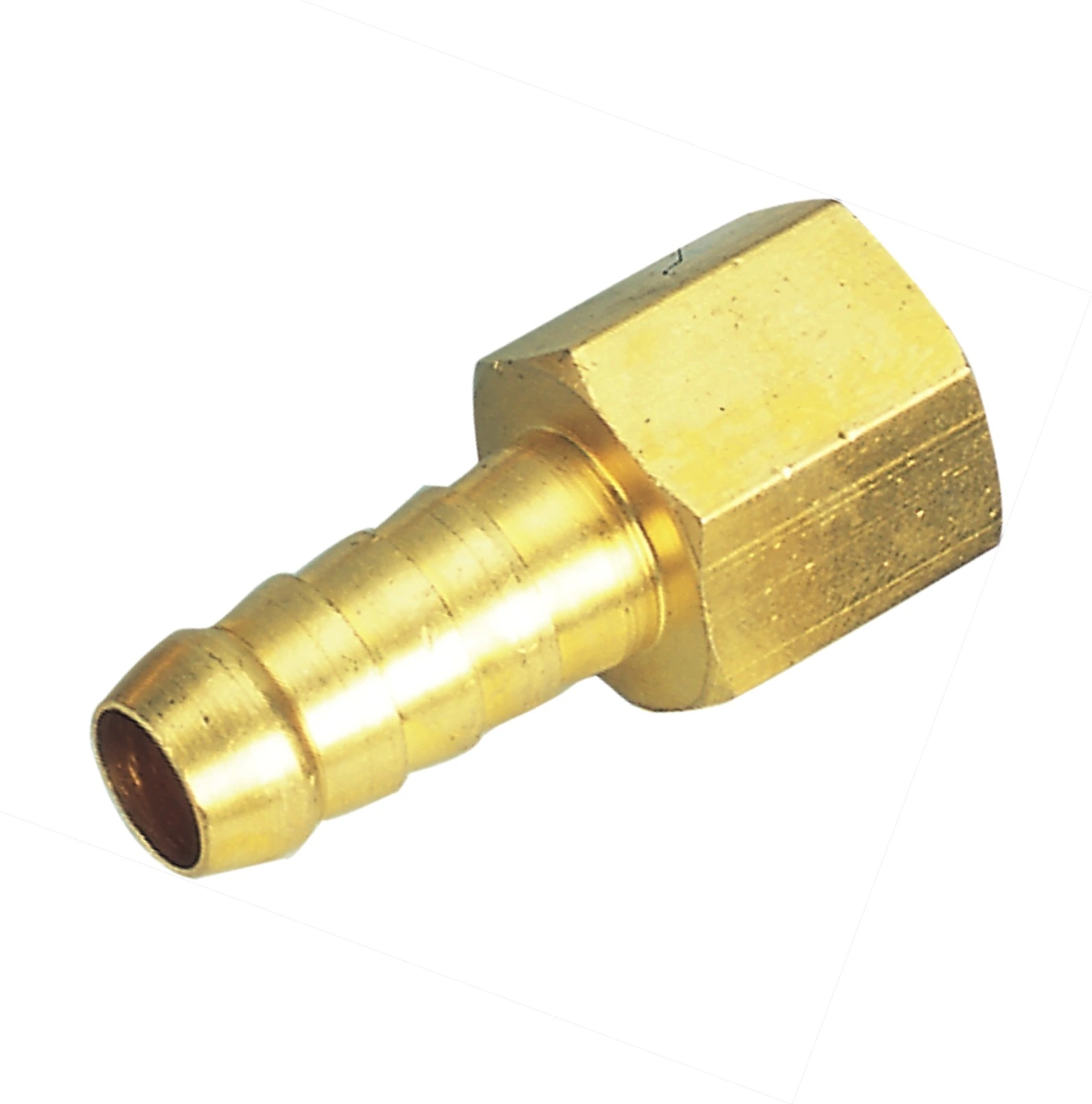
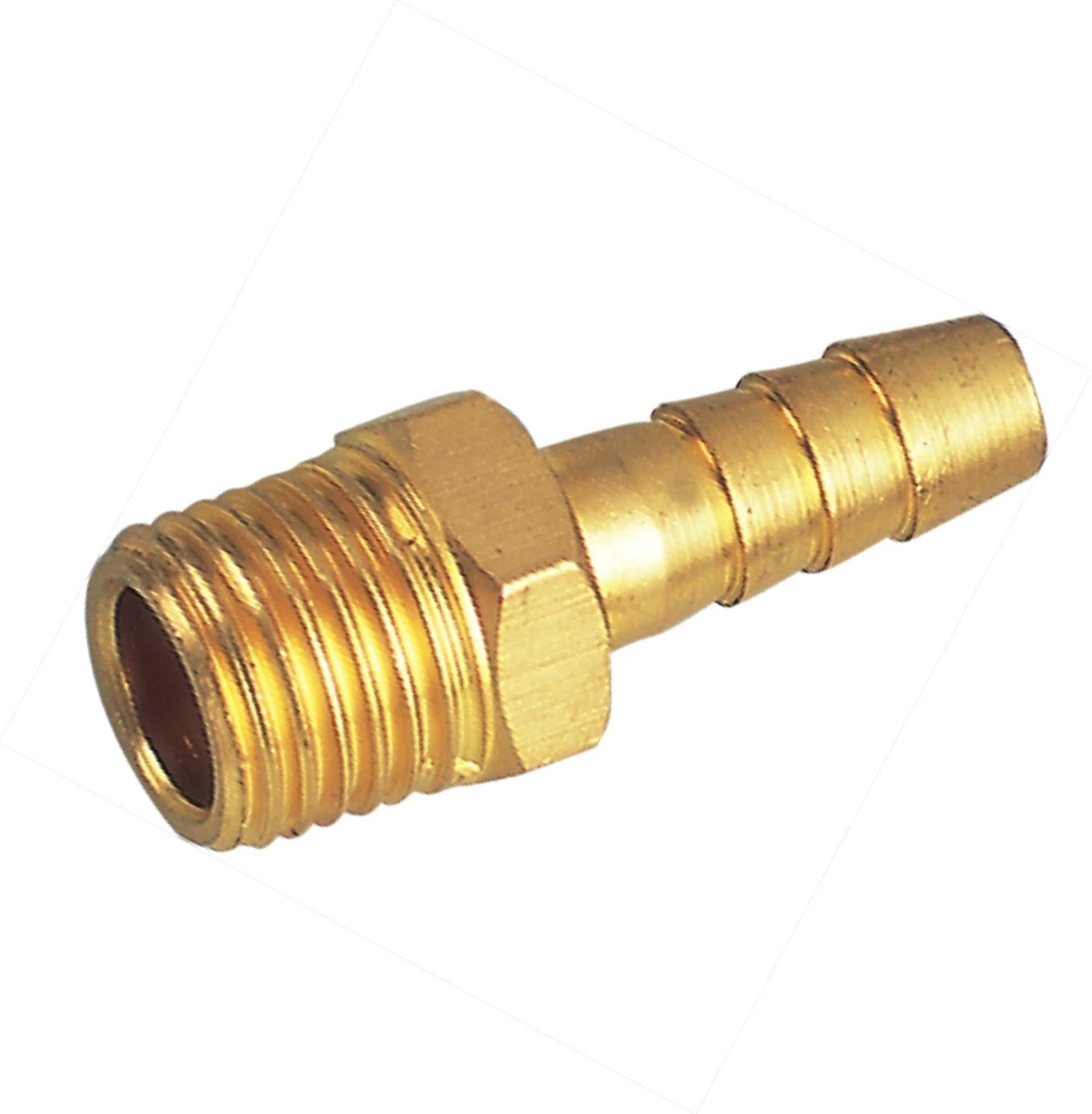
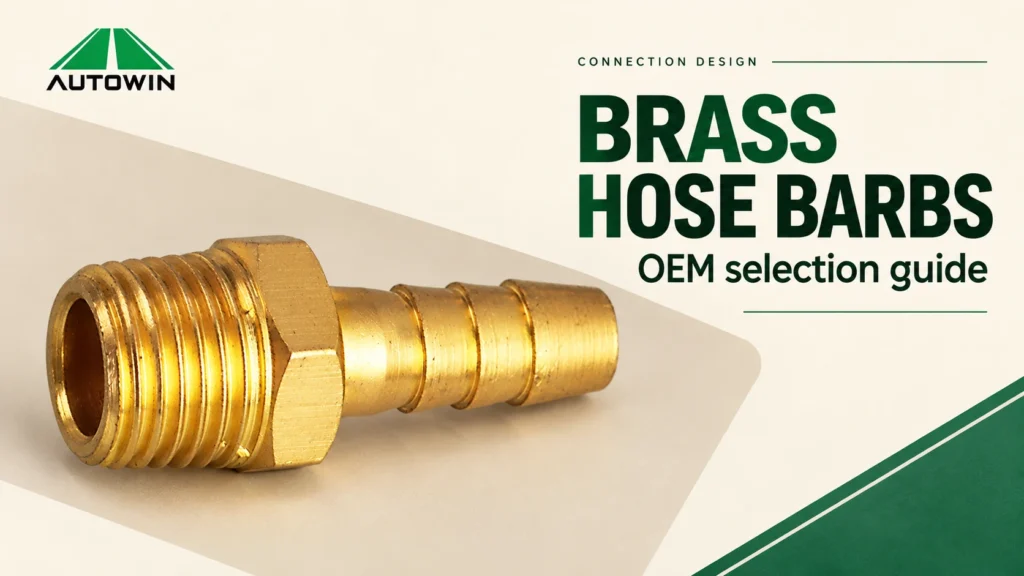
A useful description follows the pattern “hose ID × connection size and standard × body configuration.” Add the manufacturer’s series or a controlled drawing. This allows the buyer to distinguish a straight male adapter from a female adapter, elbow or hose splicer without relying on the photograph.
For example, a hose barb intended for a nominal 1/4-inch ID hose and a 1/4-inch male NPT port contains two different size statements. Their matching numbers do not mean they describe the same physical diameter. The AUTOWIN fitting-size guide explains this distinction in more detail.
When selecting a brass barbed hose connector, also identify the required hose insertion length and space available around the connection. A part that fits the port may still interfere with a clamp, a panel or the hose’s routing.
Match the barb to the hose construction
Manufacturer catalogs identify compatible hose families for specific barbed fitting series. Coilhose lists conventional barbs alongside separate reusable fitting designs. Parker’s hose-barb section identifies compatible hose materials and the required retention options for that series. These are documented combinations, rather than permission to use every hose of the same nominal size.
The hose’s material, reinforcement and condition affect the assembly choice. For sourcing purposes, provide the hose manufacturer’s part number wherever possible. If a substitute hose is proposed, review its dimensions and assembly suitability before approving the change.
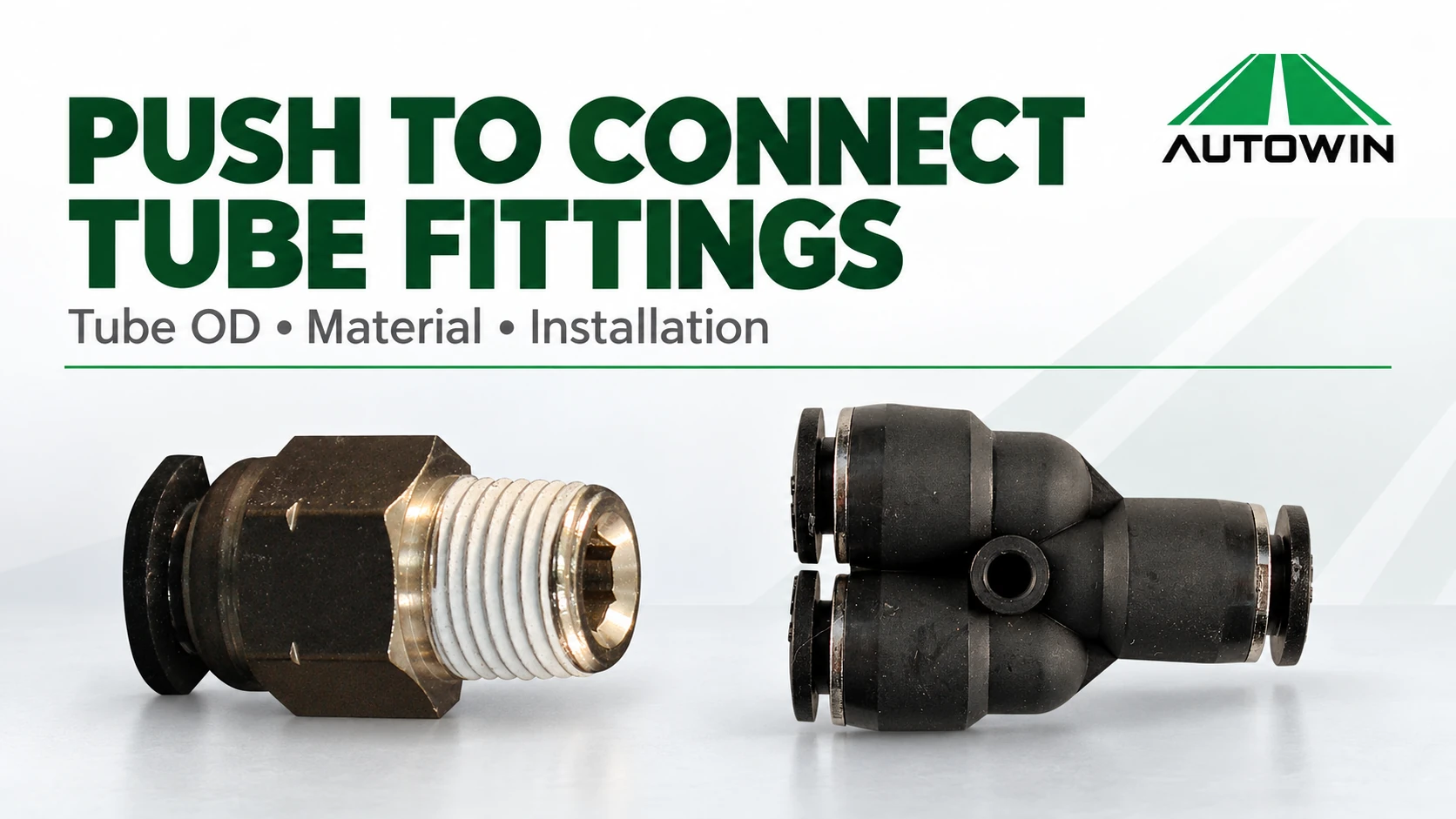
Do not infer a universal barb geometry from the word “barbed.” Products can differ in profile, length and intended hose. A part that requires a clamp or crimp ferrule should not be treated as a clamp-free fitting because another product family uses a different attachment principle.
Choose the retention method with the fitting
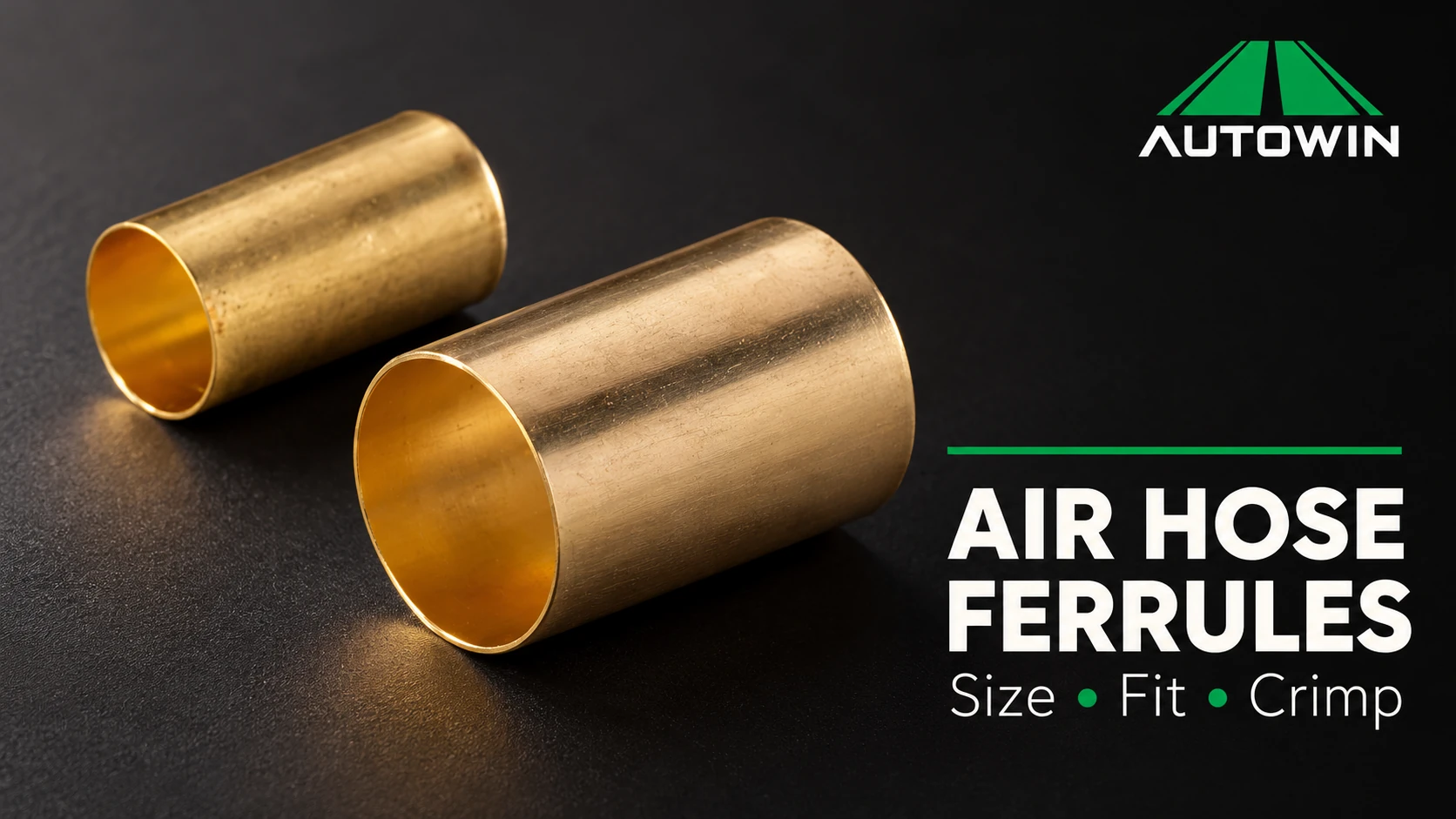
Coilhose states that its conventional brass barbs should be used with properly crimped ferrules or clamps. Parker likewise specifies clamps or a crimped ferrule for its conventional hose-barb series. The applicable manufacturer’s instructions determine which method is suitable for the exact assembly.
| Connection arrangement | Details to place on the purchase specification |
|---|---|
| Barb with a clamp | Approved clamp, hose range, position and installation instruction |
| Barb with a crimp ferrule | Ferrule, hose OD, tooling and assembly acceptance criteria |
| Reusable hose fitting | Complete fitting system, hose ID and OD, and reuse instructions |
| Hose splicer | Both hose interfaces and whether the application permits splicing |
Clamp position matters because the retention component must act on the intended part of the inserted barb. Use the drawing for that fitting series. An installation dimension from one catalog should not be applied to another design without confirmation.
Review the threaded end independently
Brass hose barb fittings may be offered with different threaded ends. Identify the exact thread standard and the sealing method for the selected item. A similar-looking port is insufficient evidence of compatibility.
Check the port drawing and installation instructions before adding sealant or selecting an adapter. Threaded connections can use different sealing principles, so a procedure written for one end style may be unsuitable for another. Keep sealant and tightening instructions specific to the chosen connection.
Inspect the proposed layout as well as the thread. Ask whether the wrench can reach the proper flats without loading the hose, and whether the assembled fitting leaves enough room for the specified retention component. These are useful drawing-review questions for an OEM installation.
Compare ratings at the assembly level
A component pressure rating applies under its stated conditions. It does not qualify an arbitrary combination of hose, barb and clamp. Barbed air hose fittings should be evaluated with the hose and retention method intended for production.
Ask the supplier to identify the applicable medium, temperature range and assembly requirements behind a rating. Different catalog products may carry different limits even when their nominal size is identical. Avoid using a rating taken from a visually similar competitor part.
Our guide to reviewing pneumatic component data sheets describes how to keep a specification attached to its test and operating conditions. The same discipline helps when comparing barb suppliers.
Prepare a wholesale or OEM barb specification
A distributor buying by the carton should request consistent identification of the hose end, thread and part number on the packaging. Where several similar sizes are stocked together, clear labels reduce the chance of issuing the wrong component to an assembly line.
For an OEM drawing, include material designation, dimensional requirements, thread standard, surface requirements and the approved retention system. Specify the information required for incoming inspection. Ask a prospective factory to explain any proposed deviation before sampling, rather than accepting an unrecorded substitution.
AUTOWIN’s SP2025 barbed fitting listing is one starting point for a product inquiry. Send the hose specification and connection drawing with the requested quantity. The review should confirm the actual geometry and assembly requirements of the quoted item.
Technical references
- Coilhose Pneumatics Product Catalog, pages 28 and 90, conventional hose barbs, reusable fittings and hose splicers.
- Parker Fittings and Valves Catalog 3501E, sections I10 and N27, conventional hose-barb selection and assembly guidance.