 English
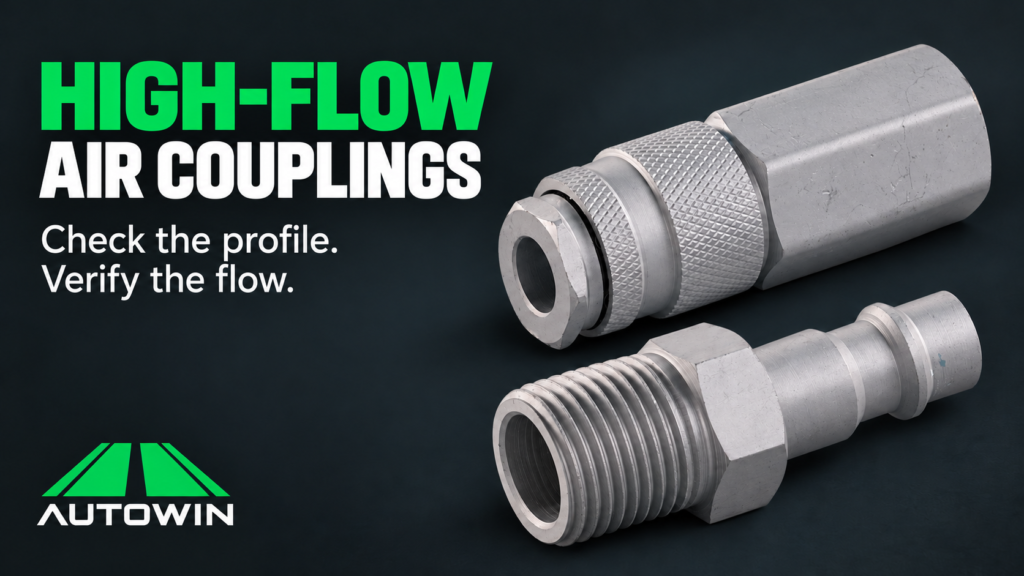
High flow air fittings need two separate checks: the interface must match, and the selected pair must deliver the required flow under stated conditions. “High flow” describes a performance characteristic. It does not identify one universal plug shape or guarantee compatibility with another product carrying the same description.
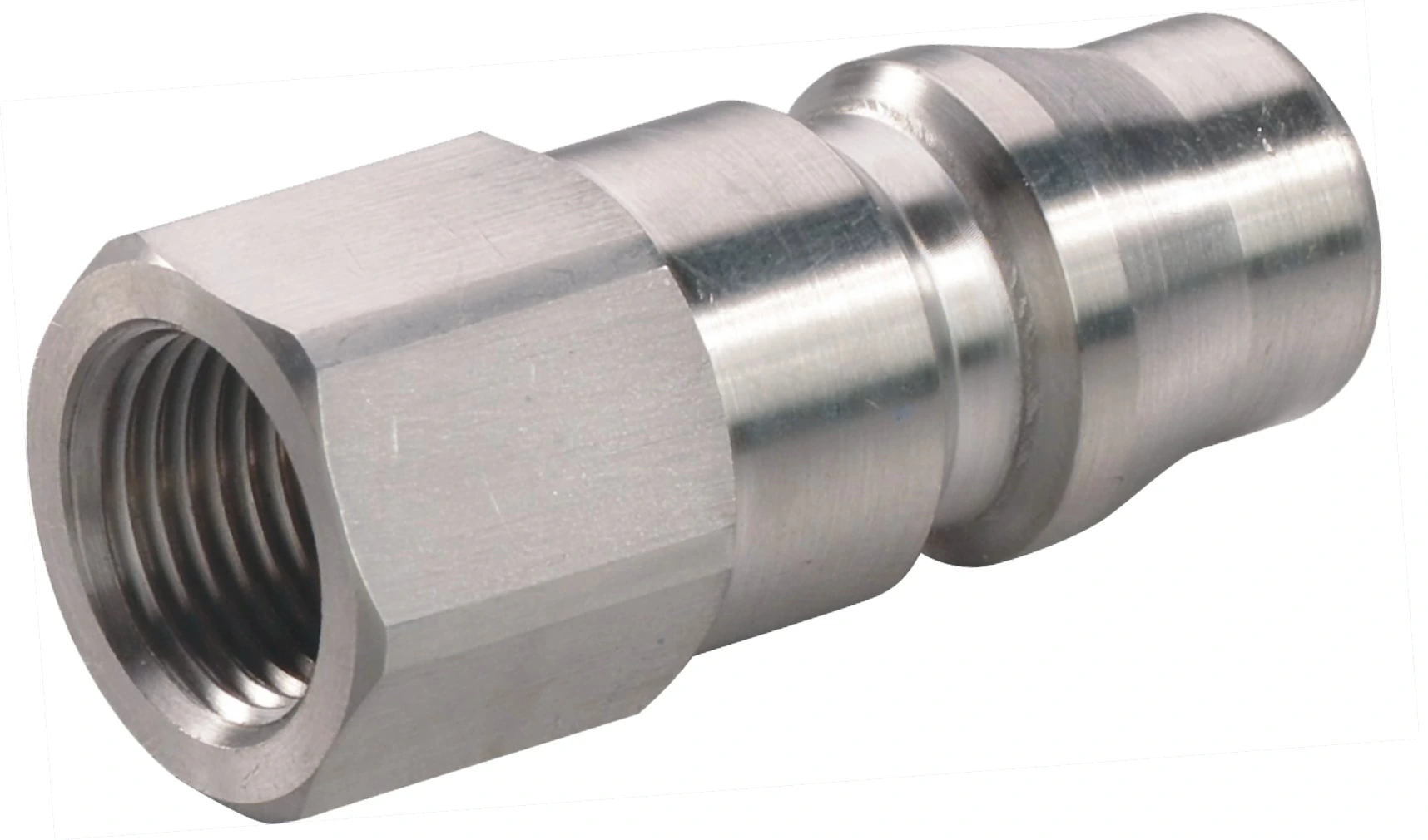
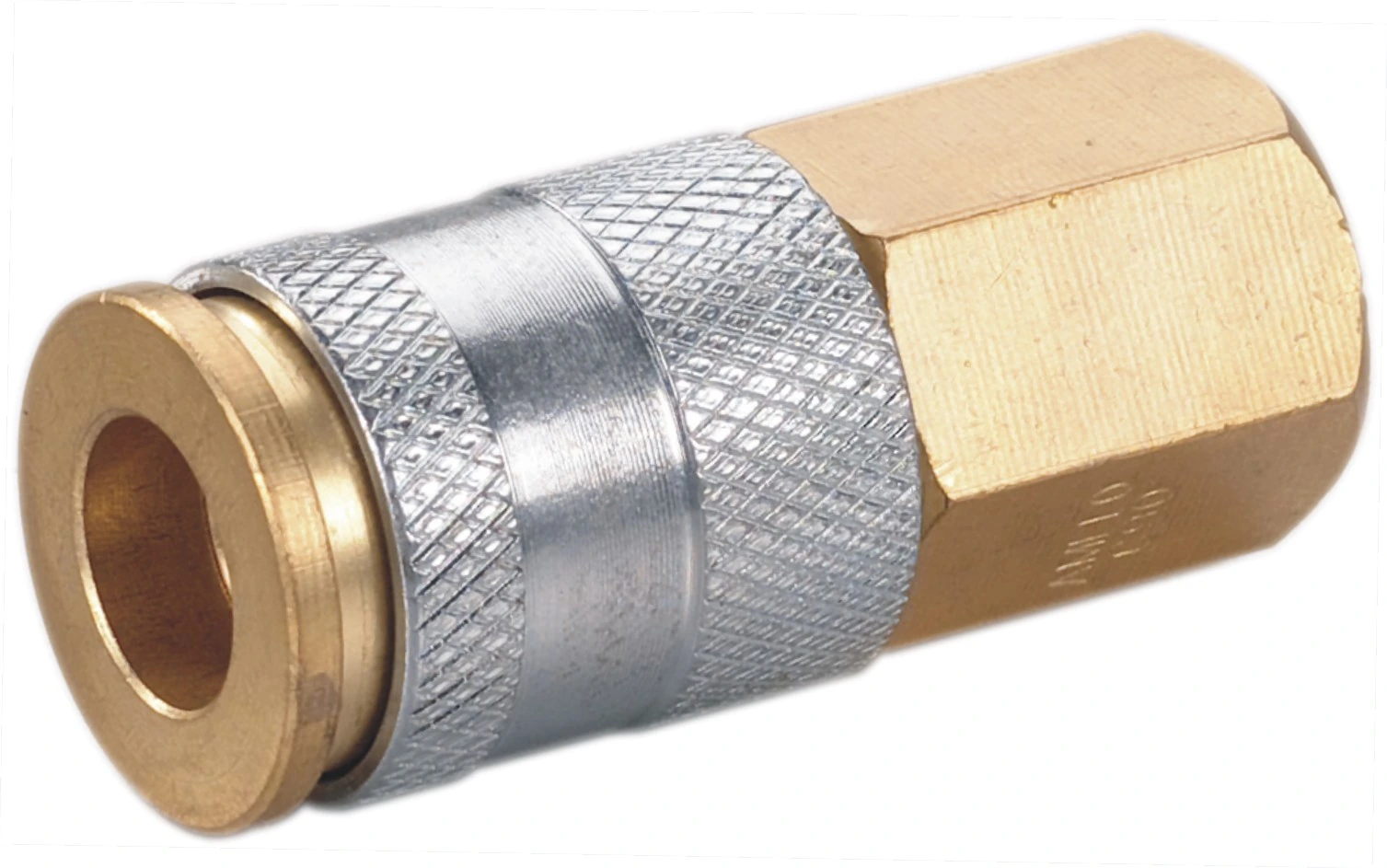
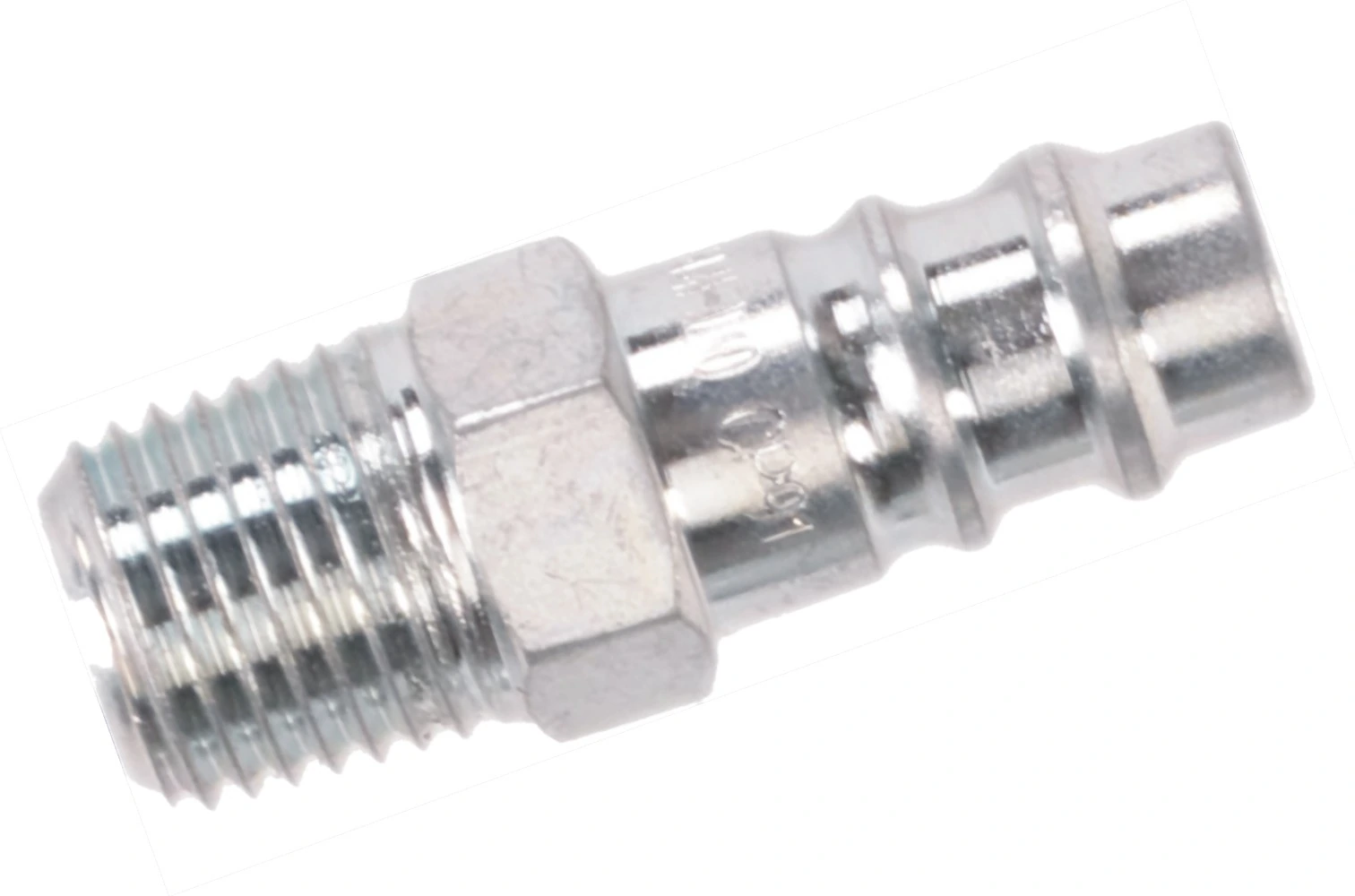
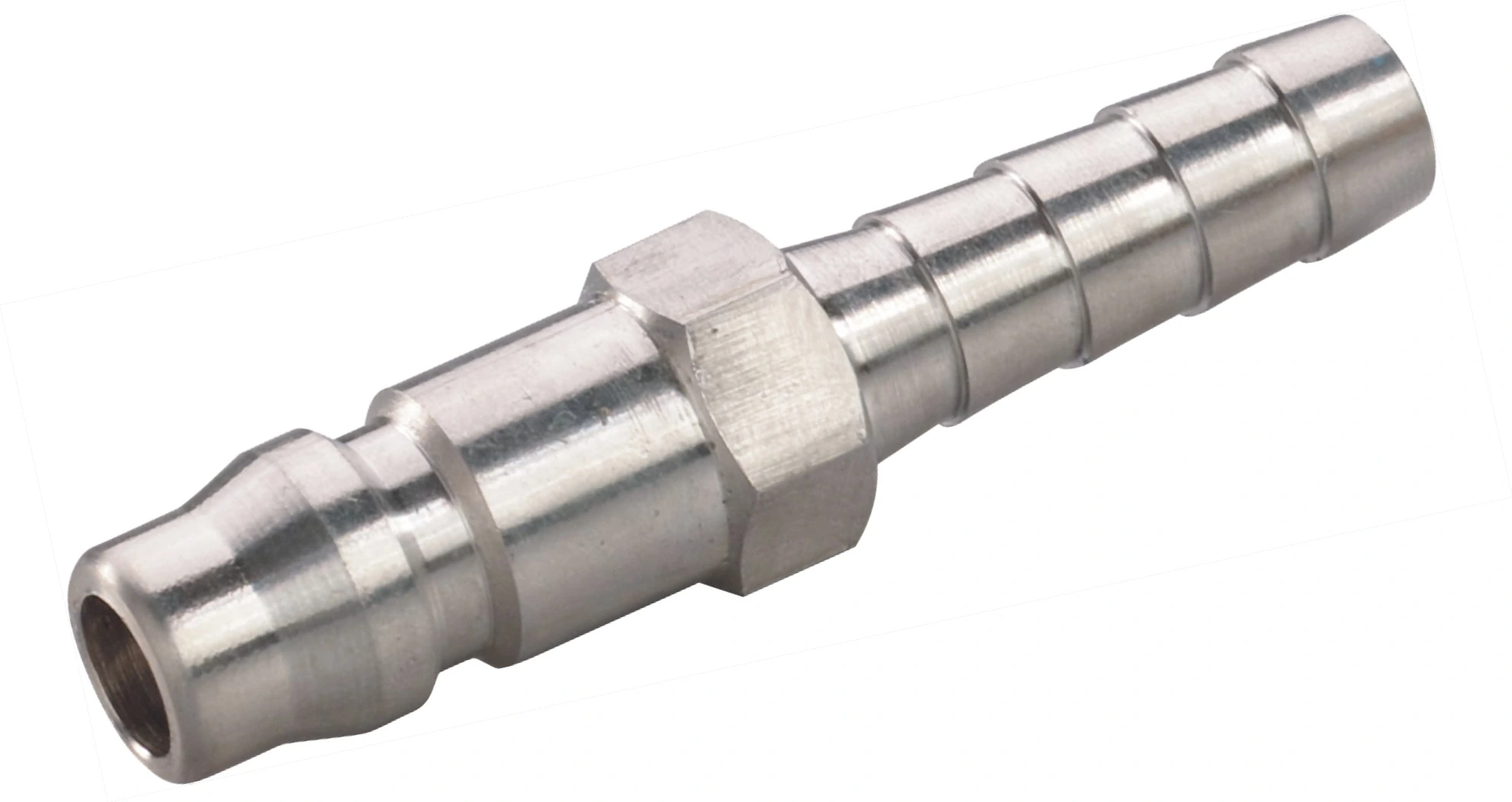
Buyers comparing European profiles, V-style air fittings and other high-flow ranges should identify the actual socket-and-plug combination before comparing performance. A promising flow figure has limited purchasing value if it belongs to a pair that cannot be used in the intended installation.
Separate the interface claim from the flow claim
An interface specification describes the geometry that lets a plug engage, seal and be retained in its intended socket. A flow specification describes performance at a defined operating point. A product needs satisfactory evidence for both; one claim does not establish the other.
Manufacturer catalogs illustrate the distinction by listing high-flow products across different profile families and series. European high-flow interchange is identified separately from standard industrial and ARO profiles, while individual products within other families can also be promoted for high flow.
| Question | Evidence to obtain | What remains unresolved without it |
|---|---|---|
| Will the parts mate as intended | Profile, body class, drawing and approved counterpart | Interface compatibility |
| Will the pair meet the air demand | Flow curve or operating point with test conditions | Available flow at the acceptable pressure drop |
| Will it suit the installation | End connections, working limits and operating instructions | Mounting and service suitability |
The air hose fitting selection guide connects those checks to the rest of the supply path. Here the emphasis is on preventing an interface label from becoming an unsupported performance or interchange promise.
Read European and V-style descriptions at series level
A European high-flow label still needs the specified interface size and mating series. Published interchange tables distinguish smaller and larger body families and list different counterparts for them. The word European alone does not resolve those differences.
V-style is also a named product style, not a general dimensional standard covering every high-flow connector. Ask the supplier which plug profile and body class the offered socket accepts. If a cross-reference is provided, retain the exact part or series scope and any limitations.
A socket that accepts more than one listed plug family needs a separate compatibility review. Do not assume that accepting a conventional plug gives the same flow as the high-flow plug used for the advertised result. Request data for the pair that will actually be installed.
Make a flow comparison that uses the same conditions
When selecting a quick connect fitting for high flow rates, define the required operating point before ranking catalog numbers. Record the air demand, available inlet pressure and acceptable pressure loss across the connection. Then ask for the corresponding performance data.
Published flow information can use different inlet pressures and pressure drops. CFM, SCFM and liters per minute also require attention to their stated reference conditions. Converting the displayed unit alone does not resolve a difference in test conditions or the basis used to report air volume.
Check whether the value refers to a particular coupler-and-plug pair, and whether an end connection or valve option changes the result. If a curve is supplied, use the relevant operating point within its published range. Do not extend the curve or fill in missing conditions with assumptions.
The air coupler data sheet guide explains how to read those fields. An incomplete flow claim should become a question for the supplier, not a precise number in the purchasing comparison.
Check the surrounding air path before choosing an upgrade
The coupling is one component between the supply and the tool. Hose bore and length, adapters, regulators and other components can affect pressure available during use. A higher-flow coupling cannot by itself establish the performance of the entire assembly.
For an existing installation, collect the tool requirement and review the air path under its intended operating conditions. Identify where a coupling change is expected to help, then evaluate the proposed pair in that context. Avoid assuming that a profile conversion will solve every low-pressure complaint.
For a new OEM assembly, identify the complete proposed configuration in the enquiry. This allows the coupling data to be considered alongside the hose and other selected components, instead of comparing isolated headline figures.
Specify release behavior as a separate requirement
High flow does not describe how the connection releases. A product may have a conventional release, a sleeve lock or a documented venting sequence. Ask for the exact operating instructions and select the function required for the application.
Likewise, a safety-exhaust feature does not establish cross-profile compatibility. It describes an operating function of the selected coupling. Keep the accepted mating interface, flow evidence and release function as separate fields in the approval record.
Ask for a quotation with a reproducible test basis
A useful high-flow enquiry identifies the preferred interface, the socket and plug end connections, working conditions, target flow and allowable pressure drop. Include the existing mating reference if the new part must remain compatible with installed equipment.
For wholesale or private-label products, ask the pneumatic coupling manufacturer to supply the evidence supporting any performance wording proposed for the packaging. Claims such as a percentage increase need an identified baseline and comparable test conditions. Without those details, use a factual product description instead of a numerical improvement claim.
Keep the accepted sample configuration and document revision attached to the order. If a plug, valve or end connection changes, review whether the previous interface and performance evidence still applies. This is particularly useful when a range contains several parts marketed under the same high-flow name.
Explore AUTOWIN’s high-flow air fittings. Send the mating profile and required operating point to discuss the proposed OEM or wholesale configuration.
Questions about high-flow coupling profiles
Are all high-flow air fittings interchangeable
No. Identify the profile, body class and approved counterpart. High flow is not a universal interface designation.
Does a larger CFM number prove that one coupling is better
Only a comparison using relevant and comparable conditions can support that conclusion. Check the inlet pressure, pressure drop, reporting basis and tested pair.
Will an accepted alternative plug keep the advertised flow
That needs supporting data for the alternative pair. Compatibility and flow performance are related purchasing checks, but they are not the same claim.