 English
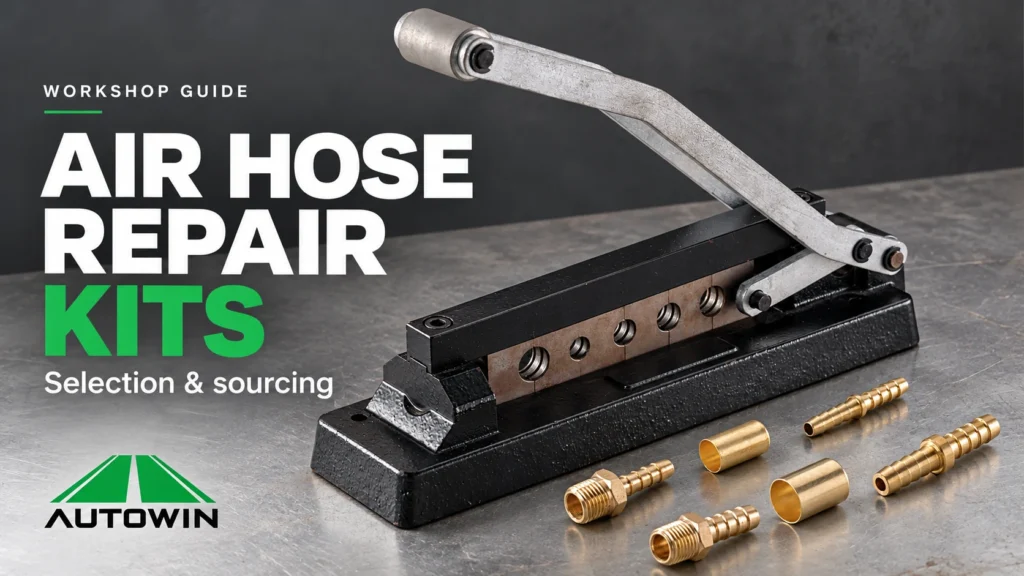
How to Choose an Air Hose Repair Kit for Your Workshop – PDF, 4 pages
An air hose repair kit should be selected for the hose construction, the damaged connection and the approved attachment method. A matching thread is only one part of the decision. Hose inside diameter, outside diameter, reinforcement and the condition of the remaining hose determine whether the proposed repair can be evaluated at all.
For maintenance buyers, the useful question is whether a specific kit restores an approved assembly. For distributors, it is whether the package gives customers enough information to select that assembly correctly. A bag containing a barb and two clamps cannot answer either question without a compatibility specification.
Identify the repair before choosing the kit
Start with an isolated and fully depressurized line. Identify where the fault occurs before dismantling the connection. A leak at a threaded joint, a damaged hose end and a cut through the middle of a hose are different faults. Replacing the hose end will not necessarily correct leakage through a nearby coupler or threaded adapter.
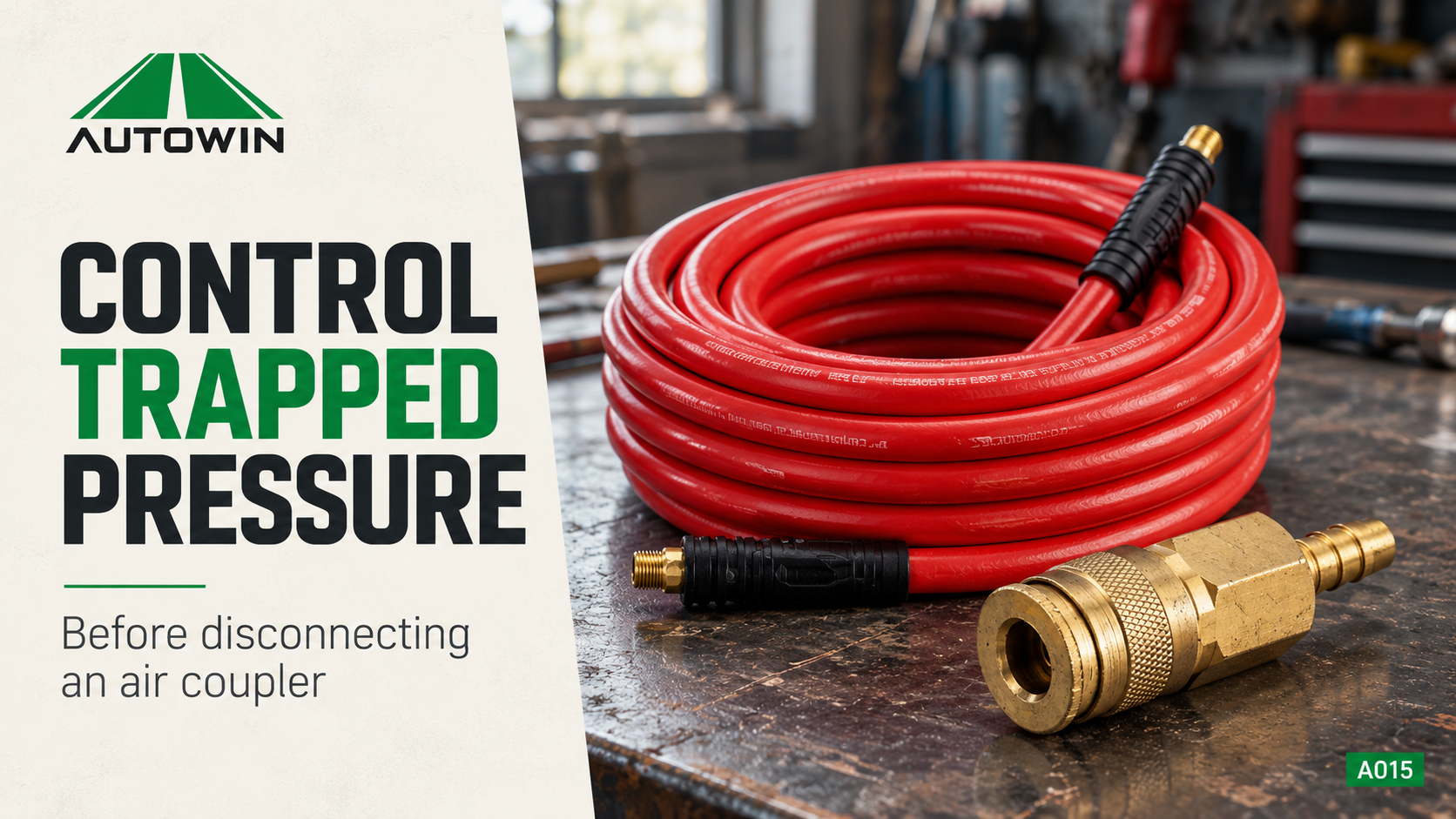
Our guide to controlling trapped pressure before disconnecting an air line explains why shutting off the supply does not establish that every downstream section is depressurized. Follow the equipment manufacturer’s isolation procedure before inspecting the assembly.
| Observed condition | Information needed before selecting parts |
|---|---|
| Damage near a hose end | Approved replacement end, remaining usable length and hose condition |
| Localized damage in the hose body | Whether the hose manufacturer permits a splice in this service |
| Leak at a threaded connection | Thread standard, sealing method and condition of both mating parts |
| Widespread cracking or deterioration | Replacement assembly specification and the cause of deterioration |
Treat widespread deterioration, damaged reinforcement or missing identification as reasons to remove the assembly from service pending a competent assessment. Do not assume that cutting away one visible defect makes the rest of an unidentified hose suitable for reuse.
Read the kit contents as a complete connection system
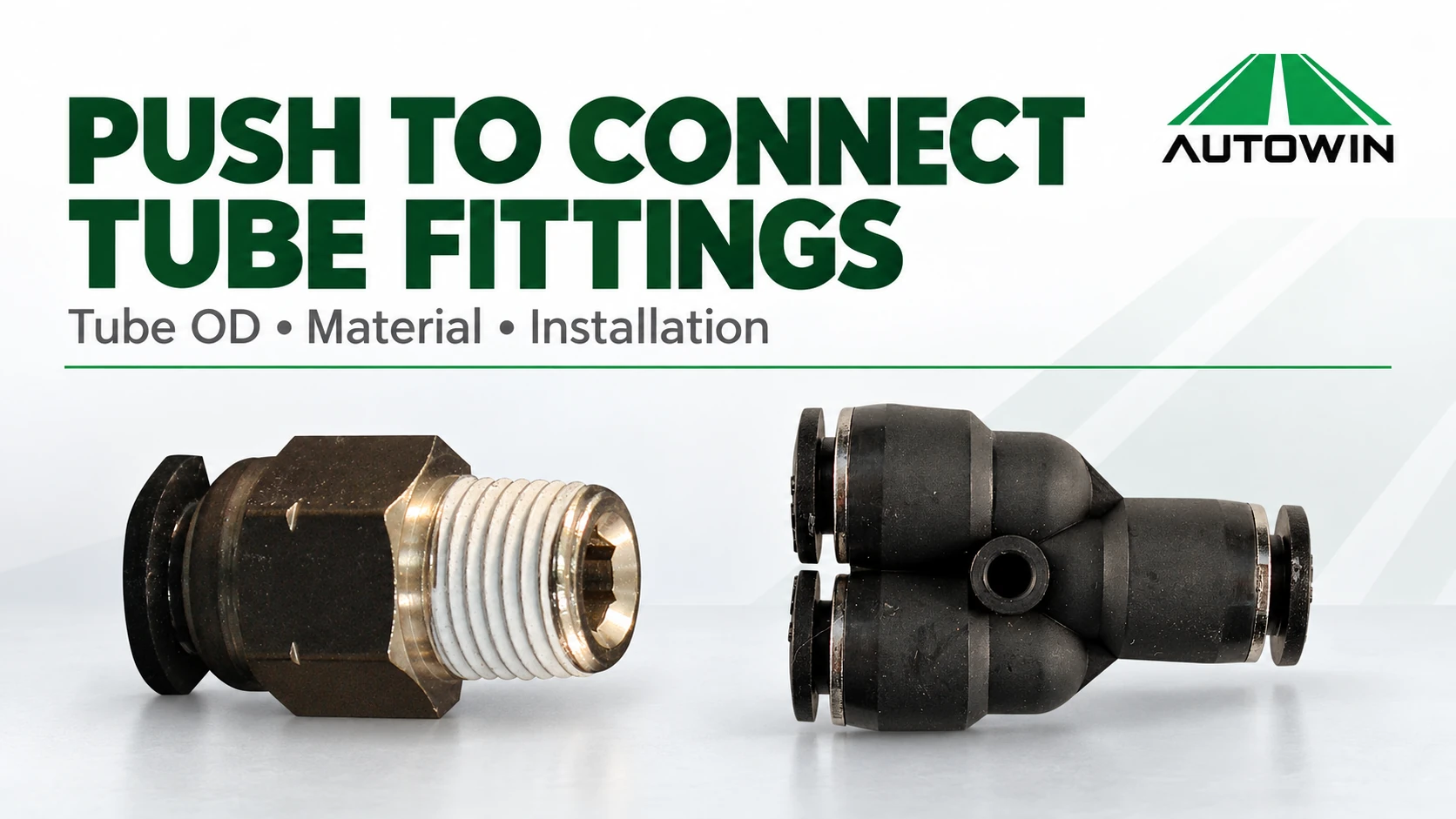
Coilhose’s catalog distinguishes hose-end repair kits containing a threaded barb and clamp from splice kits containing a splicer and two clamps. Its nylon coiled-hose repair products use a different arrangement, with parts such as a nut, ferrule, tube insert and spring guard. These examples show why the phrase “air compressor hose repair kit” covers several construction methods.
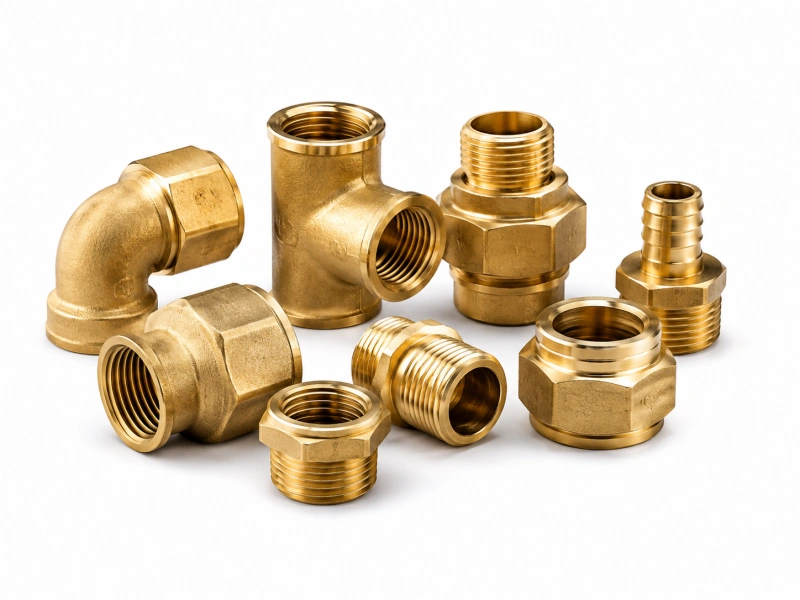
A threaded end connects a hose to equipment or an adapter. A splicer connects two hose ends. A reusable hose fitting uses its own assembly arrangement. Compare these functions before comparing package price, and confirm which attachment method the hose and fitting manufacturers approve together.
The number of pieces is a poor measure of suitability. A kit with spare clamps may still lack the correct insert for a particular tube or coiled hose. Conversely, adding a component from a second kit can invalidate the original combination if its dimensions or material differ.
Record both hose diameters and the thread
Three dimensions belong on the purchasing record: hose inside diameter, hose outside diameter and the connection thread. The barb is selected for the hose it enters; an external sleeve or reusable fitting also depends on the hose’s outside dimensions. The pipe thread is a separate interface.
Coilhose lists reusable fittings with separate columns for hose ID, hose OD and thread. Several entries share an inside diameter while having different outside diameters. That is a practical reason to measure and identify the hose rather than ordering from a single nominal size. See our guide to hose diameter and connection size for the underlying distinction.
Record the hose manufacturer’s identification and material as well. Rubber, thermoplastic and nylon constructions do not become interchangeable because their nominal sizes match. If the approved combination cannot be established, obtain a documented replacement assembly instead of assembling a kit by appearance.
Evaluate repair fittings and tools together
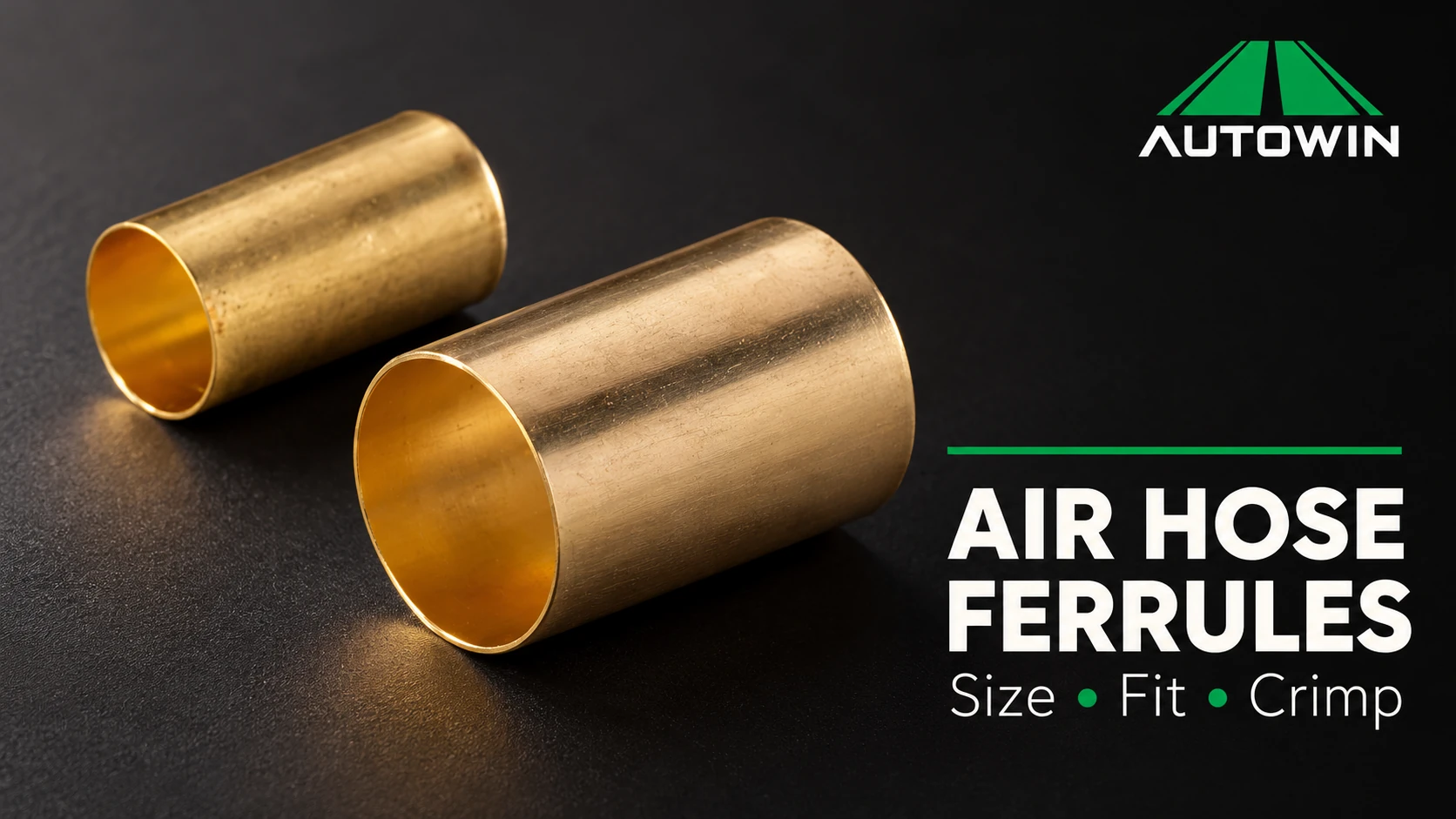
Air hose repair fittings need the corresponding retention method. Coilhose specifies clamps or properly crimped ferrules for its conventional brass barbs. A ferrule requires a compatible crimping system and an assembly specification; it is not installed by squeezing it until it looks secure.
A workshop evaluating a compressed air hose repair kit should therefore ask who supplies the assembly procedure, which tools are required and how the completed assembly is accepted. Record any required inspection, leak test and retention verification specified for that system. A hand pull on an unpressurized hose does not establish its working-pressure rating.
Keep the original failure record. If the hose repeatedly fails at the same point, review routing, abrasion, bending and tool movement before fitting another end. A replacement part alone does not address a continuing mechanical load.
Specify wholesale kits by application
For wholesale purchasing, separate end-replacement kits, splice kits and coiled-hose repair kits into clearly identified SKUs. A shared package description such as “universal hose repair” can conceal differences that matter at installation.
An OEM repair kit request should include the hose identification, dimensions, connection drawing, permitted service conditions, component list and instructions required in the package. Ask the kit supplier to identify any substitutions. Changes to a ferrule, barb or clamp should be reviewed as changes to the assembly, even when the replacement part carries the same nominal size.
For distributor packaging, use a compatibility label that customers can check before opening the bag. Include the approved hose range and the exact function of the kit. Avoid presenting a component rating as a verified rating for every hose that physically fits.
Prepare an inquiry with the original hose details
AUTOWIN’s hose mender product page provides a starting point for a splice-component inquiry. Suitability for a repair still depends on the complete hose assembly and the manufacturer’s repair policy.
When you send a repair-component inquiry, attach the hose markings, measured ID and OD, photographs of the damaged connection and the required end geometry. Specify whether you need individual components, a wholesale kit or an OEM service package so the quotation can be reviewed against the correct scope.
Technical references
- Coilhose Pneumatics Product Catalog, pages 28–29 and 90–92, hose repair kits, hose-end fittings and retention components.
- Coilhose RK112 nylon hose repair kit, an example of a construction-specific kit.